


As a supplier of black masterbatch for drain pipes, I often receive inquiries from customers regarding the suitability of our product for drain pipes carrying high - temperature fluids. This blog post aims to delve into this crucial question and provide a comprehensive and scientifically - based answer.
Understanding Black Masterbatch for Drain Pipes
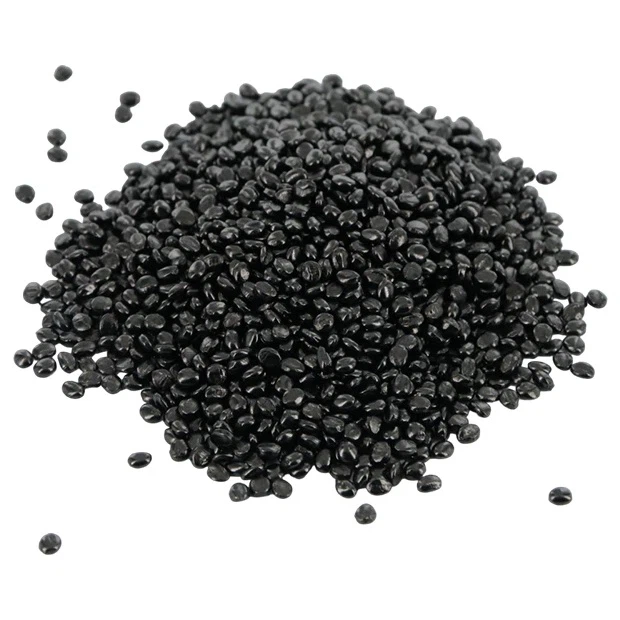
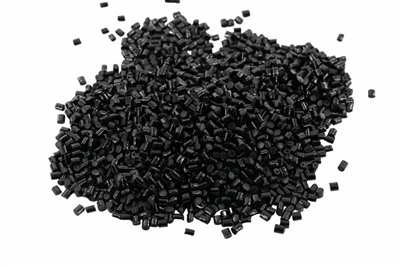
Black masterbatch is a concentrated mixture of carbon black pigment and a carrier resin. In the context of drain pipes, it is used to impart black color, enhance UV resistance, and improve the overall performance of the pipes. The carbon black in the masterbatch acts as a light - absorbing agent, protecting the polymer matrix from the degrading effects of UV radiation, which can cause brittleness and reduced mechanical properties over time.
Our black masterbatch for drain pipes is formulated with high - quality carbon black and carefully selected carrier resins. The carrier resin is chosen based on its compatibility with the base polymer of the drain pipe, usually polyvinyl chloride (PVC), polyethylene (PE), or polypropylene (PP). This ensures good dispersion of the carbon black in the base polymer during the pipe manufacturing process, resulting in uniform color and consistent performance.


Factors Affecting the Use of Black Masterbatch in High - Temperature Drain Pipes
- Thermal Stability of the Carrier Resin
The carrier resin in the black masterbatch plays a vital role in determining its performance at high temperatures. Different resins have different melting points and thermal degradation temperatures. For example, polyethylene has a relatively low melting point compared to polypropylene. If the carrier resin in the masterbatch has a low thermal stability, it may start to degrade or melt at high temperatures, leading to a loss of mechanical properties in the drain pipe and potentially causing leakage or failure. - Carbon Black Properties
The type and quality of carbon black used in the masterbatch also affect its high - temperature performance. High - quality carbon black with a high surface area and good dispersion characteristics can provide better reinforcement and heat resistance. However, if the carbon black is not properly treated or has impurities, it may act as a catalyst for thermal degradation, reducing the stability of the masterbatch at high temperatures. - Compatibility with the Base Polymer
Even if the masterbatch itself has good thermal stability, it must be compatible with the base polymer of the drain pipe. Incompatibility can lead to phase separation at high temperatures, which can weaken the pipe structure and reduce its performance. For instance, if the masterbatch is not miscible with the PVC base polymer, it may form separate domains within the pipe, creating weak points that are prone to failure under high - temperature and pressure conditions.
Can Our Black Masterbatch Be Used in High - Temperature Drain Pipes?
Our company has conducted extensive research and development to formulate a black masterbatch that can withstand relatively high temperatures. Our masterbatch uses a carrier resin with a high melting point and excellent thermal stability. The carbon black is carefully selected and treated to ensure good dispersion and high - temperature resistance.
In addition, we have performed compatibility tests with various base polymers used in drain pipe manufacturing. The results show that our black masterbatch has good compatibility with PVC, PE, and PP, even at elevated temperatures. This means that when used in the appropriate proportion, our masterbatch can enhance the color, UV resistance, and mechanical properties of drain pipes without compromising their performance at high temperatures.
However, it is important to note that there are limits to the temperature range in which our masterbatch can be used. For most of our standard products, the recommended maximum continuous operating temperature is around 60 - 80°C. Beyond this range, the performance of the masterbatch and the drain pipe may be affected.
Applications and Case Studies
- Industrial Drainage Systems
In industrial settings, there are often drain pipes that carry high - temperature fluids, such as cooling water from industrial processes or hot wastewater from chemical plants. Our black masterbatch has been successfully used in some industrial drainage systems where the fluid temperature is within the recommended range. For example, in a chemical plant, our masterbatch - enhanced PVC drain pipes have been used to carry hot wastewater at temperatures up to 70°C for several years without any signs of degradation or failure. - Residential Hot Water Drainage
In residential buildings, the hot water drain pipes also require a certain level of heat resistance. Our black masterbatch can be used in PE or PP drain pipes for residential hot water drainage systems. The masterbatch not only provides the desired black color but also helps to improve the pipe's durability and resistance to UV radiation, which is important for pipes installed outdoors or in areas exposed to sunlight.
Other Related Products
If you are interested in other applications of black masterbatch, we also offer Black Masterbatch For Film Blown, which is specifically designed for the film blowing process. It provides excellent color dispersion and UV protection for plastic films. Another product is Black Masterbatch for Shopping Bag, which is formulated to meet the requirements of shopping bag manufacturing, including good mechanical properties and color fastness. For more demanding engineering applications, we have Engineering Compounding Black Masterbatch, which offers high - performance reinforcement and coloration for engineering plastics.
Contact for Purchase and Negotiation
If you are considering using our black masterbatch for drain pipes, especially for applications involving high - temperature fluids, we encourage you to contact us for further discussion. Our team of experts can provide detailed technical information, samples, and guidance on the appropriate usage of our products. We are committed to providing high - quality products and excellent customer service to meet your specific needs.
References
- "Plastics Additives Handbook", 6th Edition, edited by Hans Zweifel.
- "Polymer Science and Engineering", 3rd Edition, by Donald R. Paul and L. H. Sperling.
- Technical reports on thermal stability and compatibility of polymers and masterbatches from relevant research institutions.