


Can I use any black masterbatch for film blown?
As a supplier of black masterbatch for film blown, I often encounter customers asking whether they can use any black masterbatch for this specific process. The answer is not as straightforward as a simple yes or no. In this blog post, I will delve into the factors that determine the suitability of black masterbatch for film blowing and provide some insights to help you make an informed decision.


Understanding Film Blowing and Black Masterbatch
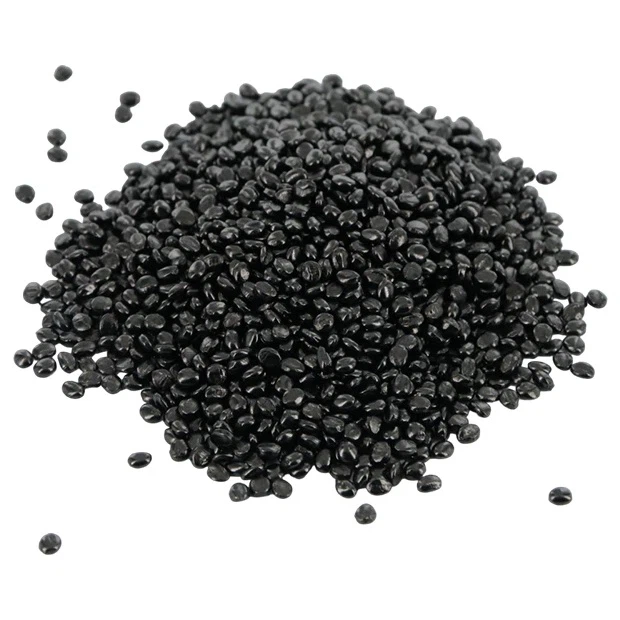
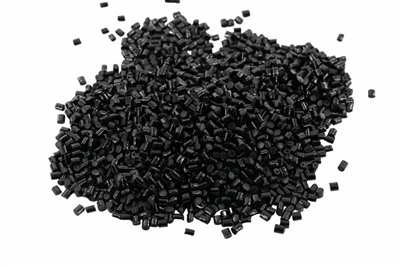
Film blowing is a widely used process in the plastics industry to produce plastic films. It involves extruding a molten polymer through a circular die to form a tubular film, which is then inflated and cooled to create a continuous sheet of film. Black masterbatch, on the other hand, is a concentrated mixture of carbon black pigment and a carrier resin. It is used to impart black color to the plastic film and can also provide other functional properties such as UV protection and conductivity.
Factors to Consider When Choosing Black Masterbatch for Film Blowing
- Compatibility with the Base Resin
The first and most crucial factor to consider is the compatibility of the black masterbatch with the base resin used in the film blowing process. Different polymers have different chemical structures and processing characteristics, and not all black masterbatches are compatible with every type of resin. For example, a black masterbatch designed for polyethylene (PE) may not be suitable for polypropylene (PP) due to differences in melting points, viscosity, and polarity. Using an incompatible black masterbatch can lead to poor dispersion of the pigment, surface defects, and reduced mechanical properties of the film. - Dispersion Quality
The dispersion quality of the black masterbatch is another important factor. In film blowing, a high - quality dispersion of the carbon black pigment is essential to achieve a uniform color and good optical properties. Poor dispersion can result in visible specks or streaks in the film, which can affect its appearance and performance. A well - dispersed black masterbatch will ensure that the carbon black particles are evenly distributed throughout the polymer matrix, providing consistent color and improved physical properties. - Melt Flow Index (MFI)
The melt flow index of the black masterbatch should be compatible with the MFI of the base resin. The MFI is a measure of the flowability of a polymer melt under specific conditions. If the MFI of the black masterbatch is too high or too low compared to the base resin, it can cause processing problems such as uneven film thickness, die build - up, and poor bubble stability during the film blowing process. A proper match of the MFI values will ensure smooth processing and high - quality film production. - Pigment Concentration
The pigment concentration in the black masterbatch can also impact its suitability for film blowing. Higher pigment concentrations can provide more intense color, but they may also increase the viscosity of the melt and make it more difficult to process. In addition, very high pigment concentrations can lead to agglomeration of the carbon black particles, which can affect the dispersion quality and the mechanical properties of the film. It is important to choose a black masterbatch with an appropriate pigment concentration based on the desired color intensity and processing requirements. - Additives and Functional Properties
Some black masterbatches may contain additives such as UV stabilizers, antioxidants, or antistatic agents to enhance the performance of the film. When choosing a black masterbatch for film blowing, it is important to consider whether these additives are necessary and compatible with the end - use application of the film. For example, if the film is intended for outdoor use, a black masterbatch with UV stabilizers may be required to prevent degradation due to sunlight exposure.
Different Types of Black Masterbatch and Their Suitability for Film Blowing
There are several types of black masterbatch available in the market, each designed for specific applications. Here are some common types and their suitability for film blowing:
- Universal Black Masterbatch
Universal black masterbatches are formulated to be compatible with a wide range of polymers. While they offer some flexibility, they may not provide the optimal performance for a specific resin compared to a resin - specific black masterbatch. However, for applications where cost - effectiveness and versatility are important, a universal black masterbatch can be a viable option. You can find more information about universal black masterbatch for different applications such as Black Masterbatch for Blown Bottle, Black Masterbatch for Injection, and Black Masterbatch for Granulation. - Resin - Specific Black Masterbatch
Resin - specific black masterbatches are designed to be fully compatible with a particular type of resin, such as PE or PP. These masterbatches are optimized for the specific processing conditions and performance requirements of the resin, providing better dispersion, color consistency, and mechanical properties. For film blowing applications, using a resin - specific black masterbatch is often the preferred choice to ensure high - quality film production.
Conclusion
In conclusion, you cannot use just any black masterbatch for film blowing. The suitability of a black masterbatch depends on several factors, including compatibility with the base resin, dispersion quality, melt flow index, pigment concentration, and the presence of additives. As a supplier of black masterbatch for film blown, we understand the importance of these factors and offer a range of high - quality products that are specifically formulated for film blowing applications.
If you are in the market for black masterbatch for film blowing, we encourage you to contact us for more information and to discuss your specific requirements. Our team of experts can provide you with personalized advice and help you choose the most suitable black masterbatch for your production process. We are committed to providing you with products that meet the highest quality standards and ensure the success of your film blowing operations.
References
- "Plastics Additives Handbook" by Hans Zweifel.
- "Polymer Processing: Principles and Design" by R. P. Singh and J. E. Spruiell.
- Industry reports on black masterbatch applications in film blowing.