

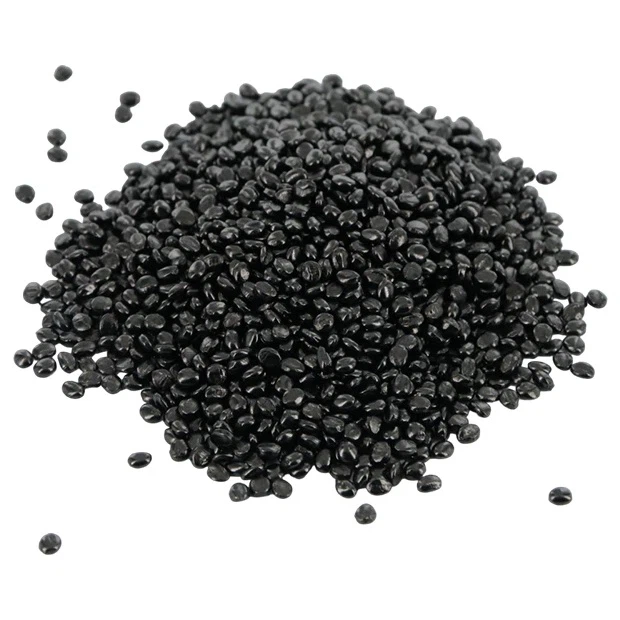
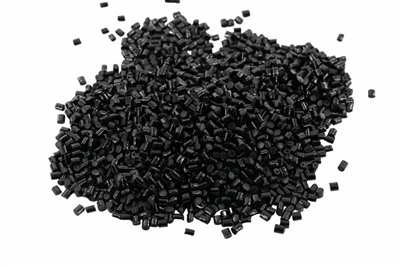

Hey there! As a supplier of PS black masterbatch, I've seen firsthand how the quality of carbon black in these products can have a huge impact on their performance. So, let's dive into the nitty - gritty of how carbon black quality affects the performance of PS black masterbatch.
1. Dispersion and Compatibility
First off, one of the most important aspects is how well the carbon black disperses in the PS resin. High - quality carbon black has a fine particle size and a narrow particle size distribution. When the particles are small and evenly sized, they can disperse more easily throughout the PS matrix. This uniform dispersion is crucial because it ensures that the color is consistent across the entire plastic product.
Imagine you're manufacturing a batch of PS plastic parts. If the carbon black doesn't disperse well, you'll end up with parts that have uneven color, with some areas looking darker and others lighter. This is a big no - no in industries where aesthetics matter, like consumer electronics or automotive interiors.
On the other hand, low - quality carbon black often has larger, irregularly shaped particles. These particles are more likely to agglomerate, which means they clump together instead of spreading out in the resin. Agglomerates can cause all sorts of problems. They can create visible specks or streaks in the final product, reducing its visual appeal. Moreover, these agglomerates can act as weak points in the plastic, potentially leading to mechanical failures over time.
Another factor related to dispersion is compatibility. High - quality carbon black is treated to be more compatible with the PS resin. This means it can bond better with the polymer chains, enhancing the overall performance of the masterbatch. In contrast, low - quality carbon black may not have the right surface properties, resulting in poor adhesion to the resin. This can lead to issues like delamination or separation of the carbon black from the PS matrix during processing or use.
2. Color Strength and Stability
Color strength is a key characteristic of PS black masterbatch. High - quality carbon black has a high tinting strength, which means you need less of it to achieve the desired black color. This is not only cost - effective but also beneficial for the mechanical properties of the PS product. When you use less carbon black, there's less interference with the polymer's structure, so the plastic can maintain its original strength and flexibility.
For example, if you're making a thin - walled PS container, using a high - strength carbon black allows you to add just the right amount of color without making the container brittle. In comparison, low - quality carbon black may require a higher loading to achieve the same color intensity. This increased amount of carbon black can make the plastic more rigid and prone to cracking, especially under stress.


Color stability is equally important. High - quality carbon black is more resistant to fading when exposed to environmental factors such as sunlight, heat, and chemicals. In outdoor applications or products that are used in harsh environments, color stability is essential. For instance, if you're producing PS outdoor furniture, you want the black color to remain vibrant for years without fading or discoloring. Low - quality carbon black, however, may start to fade relatively quickly, making the product look old and worn out.
3. UV Resistance
UV resistance is a critical performance factor, especially for PS products that will be exposed to sunlight. High - quality carbon black acts as a natural UV absorber. Its fine particles can scatter and absorb UV radiation, protecting the PS resin from degradation. When the PS resin is protected from UV rays, it retains its mechanical properties for a longer time.
For example, in automotive applications, PS parts need to withstand long - term exposure to sunlight. If the black masterbatch contains high - quality carbon black, the parts will be less likely to become brittle or crack due to UV damage. This not only improves the durability of the parts but also reduces the risk of safety issues.
Low - quality carbon black, on the other hand, may not provide sufficient UV protection. As a result, the PS product can degrade more rapidly when exposed to sunlight. The plastic may become discolored, lose its strength, and develop surface cracks. This can lead to a shorter lifespan for the product and potentially higher replacement costs.
4. Electrical Conductivity
In some applications, electrical conductivity is an important property. High - quality carbon black can impart electrical conductivity to the PS masterbatch. This is useful in industries such as electronics, where static electricity can cause damage to sensitive components. By using a PS black masterbatch with high - quality carbon black, manufacturers can create plastic parts that are antistatic or even conductive.
For example, in electronic enclosures, antistatic PS parts can prevent the buildup of static electricity, which could otherwise attract dust or cause electronic malfunctions. Low - quality carbon black may not have the right structure or surface properties to provide effective electrical conductivity. As a result, the PS product may not meet the required electrical performance standards.
Comparison with Other Masterbatches
When we talk about black masterbatches, it's also interesting to compare PS black masterbatch with other types, like PP Black Masterbatch and No Carrier Black Masterbatch. While the basic principles of carbon black quality apply to all these masterbatches, there are some differences.
PP black masterbatch is used in polypropylene resins, which have different properties compared to PS. The carbon black in PP masterbatch needs to be compatible with the PP polymer, and its dispersion requirements may be different. For example, PP has a different melting point and viscosity than PS, so the carbon black has to be able to disperse well under different processing conditions.
No carrier black masterbatch, as the name suggests, doesn't have a carrier resin. This means the carbon black is in a more concentrated form. The quality of carbon black in this type of masterbatch is even more critical because there's no carrier resin to help with dispersion and compatibility. High - quality carbon black in no carrier masterbatch can still provide excellent color and performance, but low - quality carbon black can lead to significant problems during processing and in the final product.
And for automotive applications, Black Masterbatch For Automotive has to meet very high standards. The carbon black used in these masterbatches needs to provide not only good color and UV resistance but also excellent mechanical and chemical stability. This is because automotive parts are exposed to a wide range of environmental conditions and mechanical stresses.
Conclusion and Call to Action
In conclusion, the quality of carbon black in PS black masterbatch plays a vital role in determining its performance. From dispersion and color strength to UV resistance and electrical conductivity, every aspect of the product's performance is affected by the quality of the carbon black.
If you're in the market for high - quality PS black masterbatch, we're here to help. We understand the importance of using top - notch carbon black to ensure the best performance of our products. Whether you're in the consumer goods, electronics, or automotive industry, we can provide you with PS black masterbatch that meets your specific requirements. Don't hesitate to reach out for a consultation and start the procurement process. We're looking forward to working with you to create the perfect PS products.
References
- M. Xanthos, "Polymer Blends and Composites", Hanser Publishers, 2005.
- R. A. Dickie, "Carbon Black: Science and Technology", Marcel Dekker, 1993.