

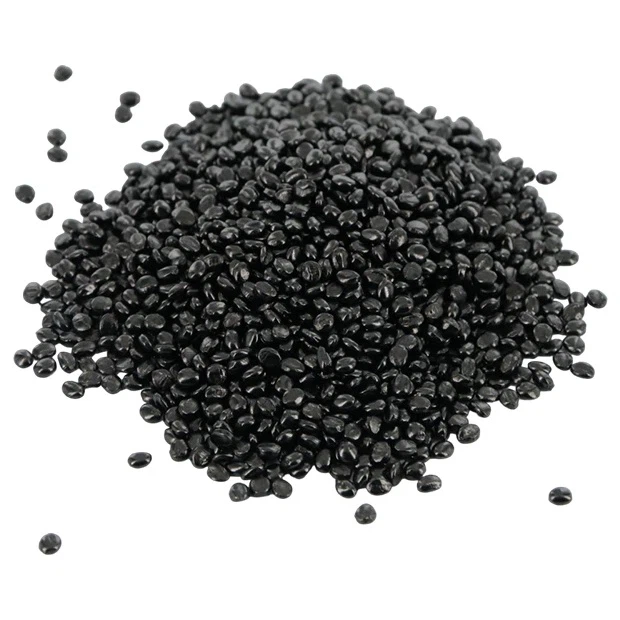
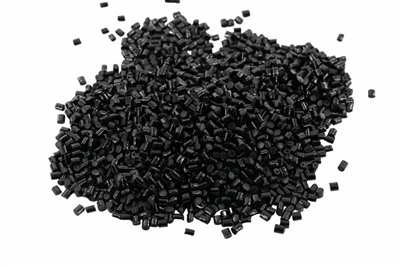

When it comes to polycarbonate (PC) processing, selecting the appropriate PC black masterbatch is crucial for achieving the desired aesthetic and performance characteristics. As a trusted PC black masterbatch supplier, we understand the complexities involved in this decision-making process. In this blog post, we will explore how to choose the right PC black masterbatch for different PC processing methods.
Understanding PC Processing Methods
Before delving into the selection of PC black masterbatch, it's essential to have a basic understanding of the common PC processing methods. These methods include injection molding, extrusion, blow molding, and thermoforming.
Injection Molding
Injection molding is one of the most widely used PC processing methods. It involves injecting molten PC material into a mold cavity under high pressure. This method is suitable for producing complex-shaped parts with high precision and excellent surface finish. Injection molding requires a PC black masterbatch that can disperse evenly in the molten PC, provide good color strength, and maintain its properties during the high-pressure injection process.
Extrusion
Extrusion is a process where PC material is forced through a die to create continuous profiles, such as sheets, rods, and tubes. This method is known for its high production efficiency and the ability to produce long, uniform products. For extrusion, the PC black masterbatch should have good melt flow properties to ensure smooth extrusion and consistent color distribution along the length of the extruded product.
Blow Molding
Blow molding is used to produce hollow plastic products, such as bottles and containers. In this process, a heated PC parison is inflated inside a mold to take its shape. The PC black masterbatch used in blow molding should be able to withstand the stretching and thinning of the material during the blowing process without causing any color streaks or defects on the final product.
Thermoforming
Thermoforming involves heating a PC sheet until it becomes pliable and then forming it into a desired shape using a mold. This method is commonly used for producing packaging trays, automotive interior parts, and other consumer products. The PC black masterbatch for thermoforming should have good heat stability to prevent color degradation during the heating process and provide a uniform color on the formed product.
Factors to Consider When Selecting PC Black Masterbatch
Now that we have an overview of the different PC processing methods, let's discuss the key factors to consider when selecting the appropriate PC black masterbatch.
Compatibility with PC Resin
The first and most important factor is the compatibility of the black masterbatch with the PC resin. A compatible masterbatch will disperse evenly in the PC matrix, ensuring a uniform color and preventing any delamination or phase separation. Incompatible masterbatches can lead to poor color quality, reduced mechanical properties, and processing difficulties.
Color Strength and Hue
The color strength and hue of the black masterbatch are crucial for achieving the desired aesthetic appearance. The color strength determines how much masterbatch is needed to achieve a specific color intensity, while the hue refers to the shade of black, such as blue-black or brown-black. Different applications may require different color strengths and hues, so it's important to choose a masterbatch that can meet your specific color requirements.
Dispersion Quality
Good dispersion quality is essential for ensuring a uniform color throughout the PC product. A well-dispersed masterbatch will prevent the formation of color specks or streaks, resulting in a high-quality finish. The dispersion quality can be affected by factors such as the particle size of the carbon black, the type of carrier resin, and the manufacturing process of the masterbatch.
Heat Stability
PC processing methods often involve high temperatures, so the heat stability of the black masterbatch is critical. A heat-stable masterbatch will not degrade or discolor during the processing, ensuring consistent color quality and maintaining the mechanical properties of the PC product. The heat stability of the masterbatch can be evaluated by measuring its color change at high temperatures over a certain period of time.
UV Resistance
If the PC product will be exposed to sunlight or other sources of UV radiation, UV resistance is an important consideration. A UV-resistant black masterbatch will prevent the color from fading or changing over time, ensuring the long-term aesthetic appeal of the product. The UV resistance of the masterbatch can be enhanced by using special additives or carbon black grades with high UV absorption properties.
Processing Performance
The processing performance of the black masterbatch can significantly affect the efficiency and quality of the PC processing. A masterbatch with good processing performance will have low viscosity, good melt flow properties, and minimal impact on the processing parameters of the PC resin. This will result in fewer processing problems, such as die build-up, screw wear, and reduced cycle times.
Recommended PC Black Masterbatches for Different Processing Methods
Injection Molding
For injection molding, we recommend our Black Masterbatch For Automotive. This masterbatch is specifically designed for automotive applications, which require high color strength, excellent dispersion, and good heat stability. It is compatible with a wide range of PC resins and can provide a deep, uniform black color on the injection-molded parts.
Extrusion
Our ABS Black Masterbatch is an ideal choice for extrusion applications. It has good melt flow properties, which ensure smooth extrusion and consistent color distribution along the extruded product. This masterbatch is also heat-stable and can withstand the high temperatures involved in the extrusion process without causing any color degradation.
Blow Molding
For blow molding, our No Carrier Black Masterbatch is a great option. It is designed to provide excellent color strength and dispersion, even in thin-walled blow-molded products. This masterbatch can withstand the stretching and thinning of the material during the blowing process without causing any color streaks or defects.
Thermoforming
Our high-quality PC black masterbatch with enhanced heat stability is recommended for thermoforming applications. It can prevent color degradation during the heating process and provide a uniform color on the thermoformed product. This masterbatch is also UV-resistant, ensuring long-term color stability in outdoor applications.
Conclusion
Selecting the appropriate PC black masterbatch for different PC processing methods is a critical decision that can significantly impact the quality and performance of the final product. By considering factors such as compatibility, color strength, dispersion quality, heat stability, UV resistance, and processing performance, you can choose the right masterbatch that meets your specific requirements.
As a leading PC black masterbatch supplier, we are committed to providing high-quality products and professional technical support. If you have any questions or need further assistance in selecting the appropriate PC black masterbatch for your application, please feel free to contact us for a consultation. We look forward to working with you to achieve your desired results.


References
- "Plastics Processing Handbook" by O. Olabisi
- "Colorants for Plastics: A Technical Handbook" by J. Scheirs