


Hey there! As a supplier of food contact black masterbatch, I've got a lot to share about the differences in food contact safety among various forms of this product, like pellets and powder. Let's dive right in!
What's Food Contact Black Masterbatch Anyway?
First off, for those who might not know, food contact black masterbatch is used to color plastic products that come into contact with food. It's super important because it needs to meet strict safety standards to make sure it doesn't contaminate the food we eat.
Pellets: The Solid Option
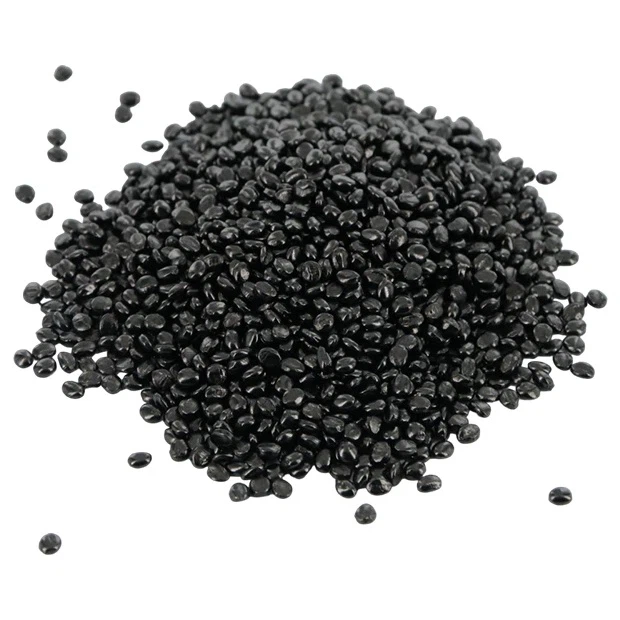
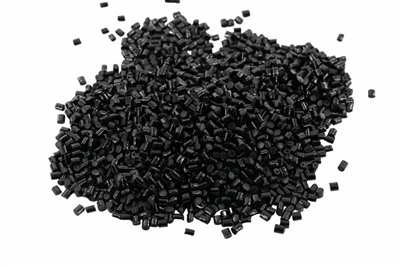
Pellets are one of the most common forms of food contact black masterbatch. They're small, solid pieces that are easy to handle. One of the big advantages of pellets is their consistency. Each pellet has a uniform composition, which means you can get a consistent color and performance every time you use them.
In terms of safety, pellets are generally quite reliable. Since they're solid, there's less risk of them getting airborne and being inhaled during handling. This is a big deal because some of the ingredients in black masterbatch could be harmful if they're breathed in.
Another safety benefit of pellets is that they're less likely to spill or leak compared to powder. When you're storing or transporting pellets, you don't have to worry as much about them getting into places they shouldn't be. This reduces the risk of accidental contamination of other products or the environment.
However, pellets do have a few drawbacks when it comes to safety. If they're not properly formulated, they might not disperse evenly in the plastic. This could lead to uneven coloring and potentially create areas where the masterbatch is concentrated. In some cases, these concentrated areas could pose a higher risk of migration into the food.
Powder: The Fine Stuff
Powdered food contact black masterbatch has its own set of characteristics. One of the main advantages of powder is its high surface area. This means it can disperse more easily in the plastic, which can result in a more uniform color. It's also often cheaper to produce than pellets, which can be a plus for manufacturers looking to save costs.
But powder also comes with some safety concerns. The biggest issue is the risk of dust inhalation. When you're handling powder, tiny particles can become airborne, and if you breathe them in, it could be harmful to your health. That's why proper ventilation and personal protective equipment (PPE) are essential when working with powder.
Another safety risk with powder is its tendency to clump. If the powder clumps together, it can be difficult to disperse evenly in the plastic. This can lead to the same problems as with poorly dispersed pellets, such as uneven coloring and potential migration issues.
Other Forms and Their Safety Profiles
There are also other forms of food contact black masterbatch, like liquid and paste. Liquid masterbatch is easy to pump and mix, which can make it convenient for some manufacturing processes. It also has good dispersion properties, similar to powder. However, like powder, it can be more difficult to handle safely because it's more likely to spill.
Paste masterbatch is a bit of a middle ground between pellets and powder. It's more viscous than liquid but less solid than pellets. It can be easier to handle than powder because it's less likely to get airborne, but it still requires careful handling to prevent spills.
Comparing Safety Standards
When it comes to food contact safety, both pellets and powder need to meet the same strict standards. In the United States, the Food and Drug Administration (FDA) has specific regulations for food contact materials, including black masterbatch. These regulations cover things like the types of ingredients that can be used, the maximum allowable levels of migration into the food, and the testing methods that need to be used to ensure compliance.
In the European Union, the European Food Safety Authority (EFSA) sets similar standards. These standards are designed to protect consumers from any potential health risks associated with food contact materials.
As a supplier, I make sure that all of our food contact black masterbatch products, whether they're pellets, powder, liquid, or paste, meet these strict safety standards. We use high-quality ingredients and follow rigorous manufacturing processes to ensure the safety and quality of our products.
Applications and Safety Considerations
The safety requirements for food contact black masterbatch can vary depending on the application. For example, black masterbatch used in food packaging needs to have a very low risk of migration into the food. This is because the packaging is in direct contact with the food, and any migration could contaminate the food.
On the other hand, black masterbatch used in food processing equipment might have different safety requirements. Since the equipment is not in direct contact with the food, the risk of migration is generally lower. However, the masterbatch still needs to be resistant to wear and tear and not release any harmful substances during normal use.
Here are some of our specific products for different applications:
- Black Masterbatch for Sunshade Net: This product is designed for use in sunshade nets, which are not in direct contact with food. But it still needs to meet certain safety standards to ensure it doesn't release any harmful substances into the environment.
- Engineering Compounding Black Masterbatch: This masterbatch is used in engineering applications, where it needs to have good mechanical properties and chemical resistance. Safety is still a key consideration, especially when it comes to the potential for migration into other materials.
- Black Masterbatch for Home Appliances: When used in home appliances that come into contact with food, such as refrigerators or blenders, the masterbatch needs to meet strict food contact safety standards. It should be non-toxic and not release any harmful substances into the food.
Ensuring Safety in Your Operations
As a manufacturer using food contact black masterbatch, there are a few things you can do to ensure safety. First, make sure you're working with a reputable supplier. At our company, we have a strict quality control system in place to ensure that all of our products meet the highest safety standards.
Second, follow proper handling procedures. Whether you're using pellets, powder, or another form of masterbatch, make sure you're wearing the appropriate PPE and using the right equipment. This will help reduce the risk of exposure to harmful substances.
Finally, test your products regularly. Make sure the masterbatch is dispersing evenly in the plastic and that there's no migration into the food. This will help you catch any potential safety issues early on and take corrective action.


Wrapping Up
In conclusion, both pellets and powder have their own safety profiles when it comes to food contact black masterbatch. Pellets are generally safer in terms of handling and reduced risk of inhalation, but they need to be properly formulated to ensure even dispersion. Powder can disperse more easily but comes with a higher risk of dust inhalation and clumping.
As a supplier, I'm committed to providing high-quality, safe food contact black masterbatch products. Whether you're looking for a specific application like sunshade nets, engineering compounding, or home appliances, we've got you covered.
If you're interested in learning more about our food contact black masterbatch products or have any questions about safety, feel free to reach out. We're always happy to discuss your needs and help you find the right solution for your business. Let's work together to ensure the safety of your food contact products!
References
- "Food Contact Materials: Regulations and Standards in the United States," US Food and Drug Administration.
- "European Food Safety Authority: Guidance on Food Contact Materials," European Food Safety Authority.