


PP black masterbatch is a crucial additive in the plastic manufacturing industry, especially for polypropylene (PP) products. As a well - established PP black masterbatch supplier, I'm excited to delve into the technical specifications of this remarkable product.
1. Composition
PP black masterbatch is primarily composed of three key components: carbon black, carrier resin, and additives.
Carbon black is the pigment that imparts the black color to the final PP product. The quality and type of carbon black used significantly affect the properties of the masterbatch. High - quality carbon blacks, such as furnace blacks, are commonly employed due to their excellent dispersion, high tinting strength, and good UV resistance. The particle size of carbon black also plays a vital role. Smaller particle sizes generally lead to better dispersion and a more uniform black color in the final product. For example, carbon blacks with a particle size in the range of 20 - 50 nanometers are often preferred for achieving a deep, rich black shade.
The carrier resin is another essential part of the masterbatch. In the case of PP black masterbatch, polypropylene is the most commonly used carrier resin. It should have good compatibility with the base PP resin in the final application. The melt flow index (MFI) of the carrier resin is an important parameter. A suitable MFI ensures that the masterbatch can be easily dispersed in the base resin during the processing. For instance, a carrier resin with an MFI similar to that of the base PP resin will result in better mixing and a more homogeneous final product.
Additives are included in the masterbatch to enhance its performance. These may include dispersants, antioxidants, and lubricants. Dispersants help in evenly distributing the carbon black particles throughout the carrier resin, preventing agglomeration. Antioxidants protect the masterbatch and the final PP product from oxidation during processing and long - term use, which can improve the product's durability. Lubricants reduce friction during processing, making it easier to extrude or mold the PP product.
2. Physical and Chemical Properties
Color
The color of PP black masterbatch is, of course, black. However, the shade and intensity of black can vary depending on the type and amount of carbon black used. The color is typically measured using colorimetric instruments. A high - quality PP black masterbatch should have a consistent and deep black color. The colorfastness is also an important consideration. It should withstand various environmental factors such as sunlight, heat, and chemicals without significant color change.
Particle Size and Shape
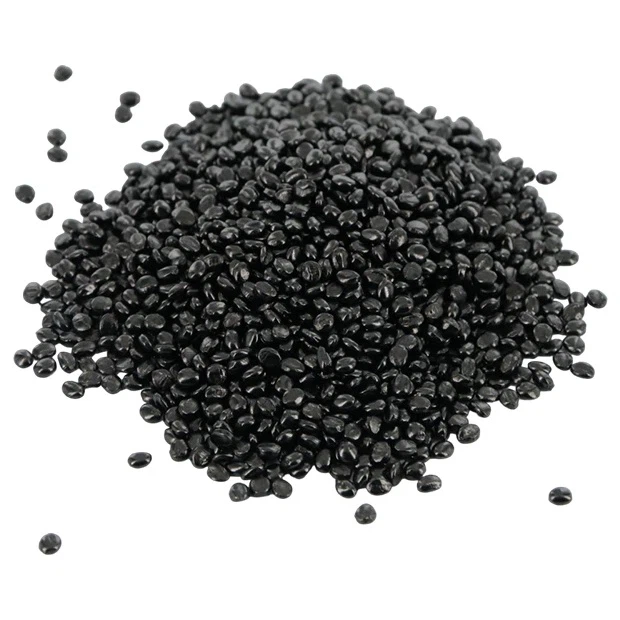
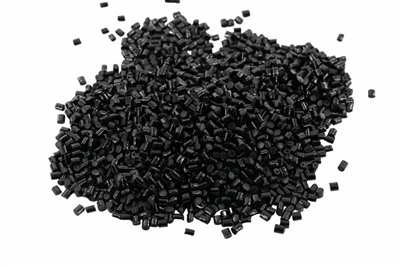
The particle size of the masterbatch pellets is an important specification. Uniform particle size ensures consistent feeding and dispersion during processing. Generally, the particle size of PP black masterbatch pellets ranges from 2 - 4 millimeters. The shape of the pellets is usually cylindrical or spherical, which facilitates easy handling and flow in the processing equipment.
Density
The density of PP black masterbatch is influenced by the composition of its components. It typically ranges from 1.1 - 1.3 g/cm³. The density can affect the processing parameters, such as the melting and flow behavior of the masterbatch in the extruder or injection molding machine.
Melting Point and Melt Flow Index
The melting point of PP black masterbatch is related to the melting point of the carrier resin. For polypropylene - based masterbatch, the melting point is usually around 160 - 170°C. The melt flow index (MFI) is a measure of the ease with which the masterbatch can flow when melted. A higher MFI indicates better flowability. The MFI of PP black masterbatch is typically in the range of 10 - 30 g/10 min, depending on the specific application requirements.
Chemical Resistance
PP black masterbatch should have good chemical resistance to various substances. It should be resistant to common solvents, acids, and alkalis. This property is crucial, especially for PP products that will be exposed to harsh chemical environments, such as in the automotive or industrial sectors.
3. Performance in Different Applications
Injection Molding
In injection molding applications, PP black masterbatch needs to have good flowability and dispersion. The MFI of the masterbatch should be adjusted according to the complexity of the mold and the injection molding machine's capabilities. A masterbatch with appropriate flow properties will ensure that the mold is filled evenly, resulting in high - quality, defect - free products. For example, in the production of automotive interior parts, such as dashboard components, the PP black masterbatch should provide a smooth surface finish and excellent color consistency. You can find more information about Black Masterbatch for Automotive.
Extrusion
In extrusion processes, such as the production of pipes, sheets, or fibers, the masterbatch should have good thermal stability and dispersion. It should not decompose or cause any blockages in the extruder. The masterbatch's ability to disperse evenly in the base resin is crucial for achieving a uniform color and physical properties throughout the extruded product. For instance, in the production of PP pipes, the black masterbatch should provide good UV resistance to protect the pipes from sunlight degradation.
Blow Molding
Blow molding is used to produce hollow plastic products, such as bottles and containers. PP black masterbatch for blow molding applications should have good stretchability and melt strength. It should be able to withstand the stretching forces during the blow - molding process without causing any cracks or defects in the final product. The color and appearance of the blow - molded products should be consistent and of high quality.
4. Quality Control
As a PP black masterbatch supplier, strict quality control measures are essential. We conduct a series of tests at different stages of production.
Raw Material Testing
Before using any raw materials, we test the carbon black, carrier resin, and additives for their quality and properties. This includes testing the carbon black's particle size, tinting strength, and surface area. The carrier resin is tested for its MFI, melting point, and chemical composition. The additives are also tested to ensure their effectiveness and compatibility with the other components.
In - process Testing
During the production process, we monitor various parameters such as temperature, pressure, and mixing time. Samples are taken at regular intervals to check the dispersion of carbon black in the carrier resin. We use techniques such as microscopy to examine the particle distribution and ensure that there are no agglomerates.
Final Product Testing
Once the masterbatch is produced, it undergoes a comprehensive set of tests. These include color measurement, MFI testing, density measurement, and chemical resistance testing. We also conduct application - specific tests to ensure that the masterbatch meets the requirements of different industries. For example, for PP Black Masterbatch used in the automotive industry, we test its UV resistance, heat aging resistance, and mechanical properties.
5. Environmental Considerations
In today's environmentally conscious world, the environmental impact of PP black masterbatch is an important consideration. We are committed to using environmentally friendly raw materials and production processes.
Raw Materials
We source carbon black from suppliers who adhere to strict environmental standards. The carrier resin is also selected based on its recyclability and low environmental impact. The additives used in our masterbatch are non - toxic and comply with relevant environmental regulations.


Production Process
Our production facilities are equipped with advanced pollution control systems to minimize emissions and waste. We also optimize our production processes to reduce energy consumption and waste generation.
Conclusion
As a leading PP black masterbatch supplier, we understand the importance of providing high - quality products that meet the diverse needs of our customers. The technical specifications of PP black masterbatch are carefully designed to ensure optimal performance in various applications. Whether you are in the automotive, packaging, or industrial sector, our PP black masterbatch can provide you with the color, performance, and reliability you need.
If you are interested in purchasing our PP black masterbatch or have any questions about its technical specifications, please feel free to contact us for a detailed discussion and to explore potential business opportunities. We are ready to work with you to meet your specific requirements and provide you with the best solutions. You can also learn more about Black Masterbatch For Automotive on our website.
References
- "Plastic Additives Handbook" by Hans Zweifel
- "Polypropylene: Structure, Blends and Composites" by S. K. De and M. K. Misra