

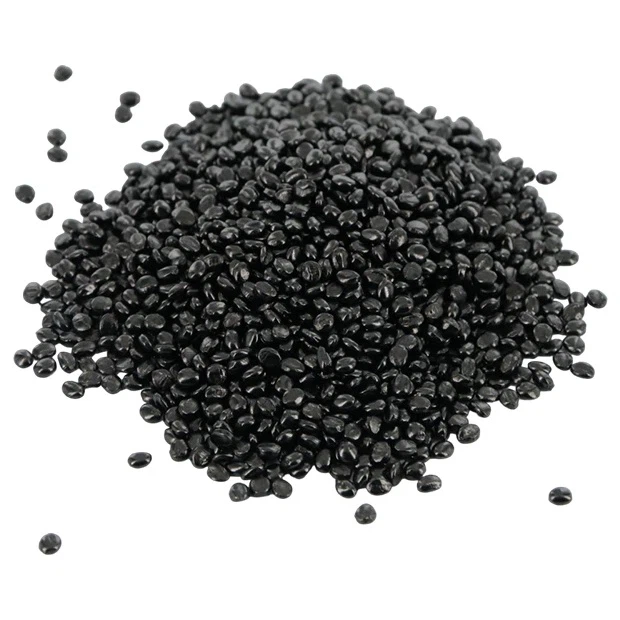
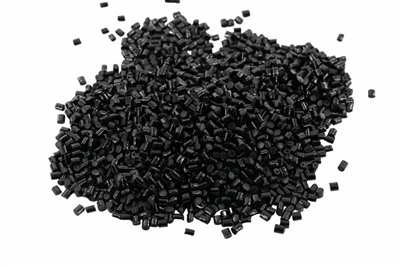

Chemical stability is a crucial factor when it comes to black masterbatch for water pipes. As a supplier of black masterbatch for water pipes, I understand the significance of ensuring that our product meets the highest standards of chemical stability to guarantee the safety and durability of water pipes. In this blog post, I will delve into the concept of chemical stability in black masterbatch for water pipes, explore the factors that influence it, and discuss the importance of maintaining chemical stability in the water pipe industry.
Understanding Chemical Stability in Black Masterbatch for Water Pipes
Chemical stability refers to the ability of a substance to resist chemical reactions under specific conditions. In the context of black masterbatch for water pipes, chemical stability means that the masterbatch should not undergo significant chemical changes when exposed to water, chemicals, and environmental factors over an extended period. This is essential because any chemical instability in the masterbatch can lead to the degradation of the water pipe, which may result in leaks, contamination of the water supply, and reduced lifespan of the pipe.
The black masterbatch used in water pipes typically consists of carbon black, a carrier resin, and various additives. Carbon black is the primary pigment that gives the masterbatch its black color and provides UV protection. The carrier resin is responsible for dispersing the carbon black and other additives evenly throughout the masterbatch and ensuring good compatibility with the base polymer of the water pipe. Additives are used to enhance the performance of the masterbatch, such as improving its dispersion, increasing its heat resistance, and preventing the growth of bacteria.
Factors Influencing the Chemical Stability of Black Masterbatch for Water Pipes
Several factors can influence the chemical stability of black masterbatch for water pipes. These include:
1. Quality of Raw Materials
The quality of the raw materials used in the production of black masterbatch is crucial for its chemical stability. High-quality carbon black with a low volatile content and a uniform particle size distribution is preferred, as it is less likely to react with other substances and cause chemical instability. Similarly, the carrier resin should have good chemical resistance and compatibility with the carbon black and other additives. Using low-quality raw materials can lead to the presence of impurities and contaminants in the masterbatch, which can reduce its chemical stability and affect the performance of the water pipe.
2. Production Process
The production process of black masterbatch also plays a significant role in its chemical stability. Proper mixing and dispersion of the raw materials are essential to ensure that the carbon black and other additives are evenly distributed throughout the masterbatch. Inadequate mixing can result in the formation of agglomerates, which can cause local chemical instability and reduce the mechanical properties of the water pipe. Additionally, the processing temperature and time during the production of the masterbatch should be carefully controlled to prevent thermal degradation of the raw materials and the formation of unwanted chemical by-products.
3. Environmental Conditions
The environmental conditions to which the water pipe is exposed can also affect the chemical stability of the black masterbatch. For example, exposure to high temperatures, UV radiation, and chemicals can cause the masterbatch to degrade over time. Water pipes installed outdoors are particularly susceptible to UV radiation, which can break down the carbon black and other additives in the masterbatch, leading to a loss of color and reduced UV protection. Similarly, exposure to chemicals such as acids, alkalis, and solvents can cause the masterbatch to swell, dissolve, or react with the chemicals, resulting in chemical instability and damage to the water pipe.
4. Compatibility with the Base Polymer
The compatibility of the black masterbatch with the base polymer of the water pipe is another important factor that affects its chemical stability. The masterbatch should be able to blend well with the base polymer and form a homogeneous mixture without causing any chemical reactions or phase separation. Incompatible masterbatch can lead to poor adhesion between the masterbatch and the base polymer, which can result in delamination, cracking, and reduced mechanical properties of the water pipe.
Importance of Maintaining Chemical Stability in the Water Pipe Industry
Maintaining chemical stability in black masterbatch for water pipes is of utmost importance in the water pipe industry for several reasons:
1. Safety
Water pipes are used to transport drinking water, so ensuring the safety of the water supply is a top priority. Chemical instability in the black masterbatch can lead to the leaching of harmful substances into the water, such as heavy metals, organic compounds, and microbial contaminants. These substances can pose a significant health risk to consumers if ingested over an extended period. By maintaining the chemical stability of the black masterbatch, we can ensure that the water pipes are safe for use and do not contaminate the water supply.
2. Durability
Water pipes are expected to have a long service life, typically ranging from 20 to 50 years. Chemical instability in the black masterbatch can cause the water pipe to degrade over time, reducing its mechanical properties and increasing the risk of leaks and failures. By using a chemically stable black masterbatch, we can ensure that the water pipe maintains its integrity and performance over its intended service life, reducing the need for frequent repairs and replacements.


3. Performance
The chemical stability of the black masterbatch can also affect the performance of the water pipe. For example, a chemically unstable masterbatch may cause the water pipe to become brittle, lose its flexibility, or develop cracks, which can reduce its ability to withstand pressure and environmental stresses. By using a chemically stable masterbatch, we can ensure that the water pipe has the required mechanical properties, such as strength, toughness, and flexibility, to perform effectively in various applications.
Our Commitment to Chemical Stability
As a supplier of black masterbatch for water pipes, we are committed to providing our customers with a high-quality product that meets the highest standards of chemical stability. We use only the finest raw materials, sourced from reputable suppliers, and employ strict quality control measures throughout the production process to ensure that our masterbatch is free from impurities and contaminants. Our state-of-the-art manufacturing facilities are equipped with advanced mixing and dispersion equipment, which allows us to achieve a high degree of uniformity and dispersion of the carbon black and other additives in the masterbatch.
In addition to our commitment to quality, we also offer a range of other black masterbatch products for different applications, such as Black Masterbatch for Garbage Bag, Black Masterbatch for Strech Film, and Black Masterbatch for Sheet. These products are also formulated to have excellent chemical stability and performance, making them suitable for a wide range of industries.
Contact Us for Your Black Masterbatch Needs
If you are in the market for high-quality black masterbatch for water pipes or other applications, we invite you to contact us to discuss your specific requirements. Our team of experienced professionals is ready to provide you with expert advice and guidance on the selection of the right masterbatch for your needs. We can also offer customized solutions to meet your unique specifications and ensure that you get the best possible product at a competitive price.
References
- "Plastics Additives Handbook" by Hans Zweifel
- "Polymer Degradation and Stabilization" by R. N. Haward
- "Carbon Black: Science and Technology" by Donnet, Cadenhead, and Wang