


Hey there! As a supplier of no carrier black masterbatch, I often get asked about the tear strength of products made with our masterbatch. Tear strength is a crucial property, especially in industries where products are subjected to pulling, stretching, or tearing forces. So, let's dive right in and explore what the tear strength of products made with no carrier black masterbatch is all about.
What is No Carrier Black Masterbatch?
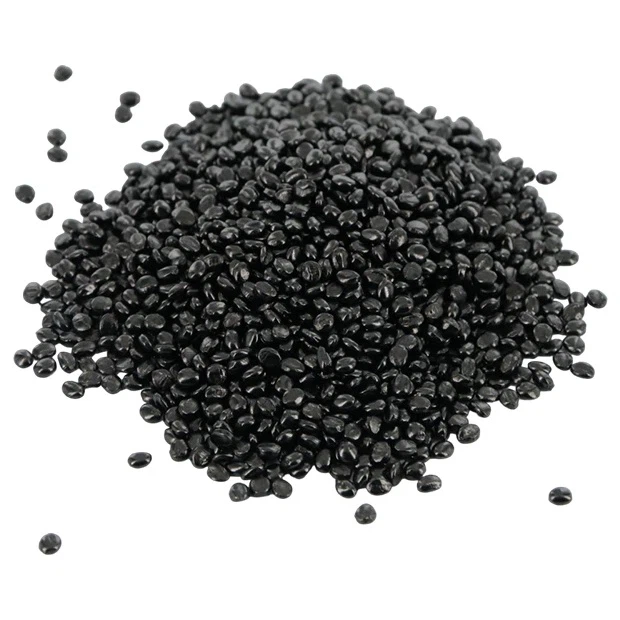
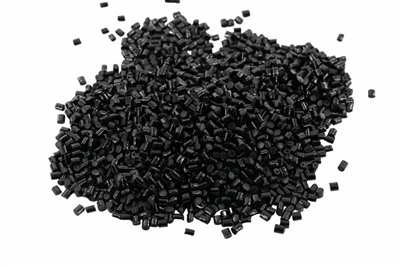
First off, let's quickly go over what no carrier black masterbatch is. It's a highly concentrated form of carbon black, which is a fine powder made up of elemental carbon. Unlike traditional masterbatches that use a polymer carrier to disperse the carbon black, no carrier black masterbatch doesn't have a carrier resin. This makes it extremely versatile and suitable for a wide range of polymers.
The absence of a carrier resin offers several advantages. For one, it eliminates the risk of compatibility issues between the carrier and the base polymer. It also allows for better dispersion of the carbon black, which can enhance the overall performance of the final product.
How Does No Carrier Black Masterbatch Affect Tear Strength?
Now, let's talk about how no carrier black masterbatch impacts the tear strength of products. Tear strength is essentially the force required to propagate a tear through a material. It's an important property in applications such as packaging, automotive parts, and industrial films.
When you add no carrier black masterbatch to a polymer, it can have both positive and negative effects on tear strength, depending on several factors.
Positive Effects
- Reinforcement: Carbon black has a high surface area and can act as a reinforcing filler in polymers. When properly dispersed, it can improve the mechanical properties of the polymer, including tear strength. The carbon black particles can act as barriers to crack propagation, making it more difficult for a tear to spread through the material.
- Improved Dispersion: As mentioned earlier, no carrier black masterbatch offers better dispersion compared to traditional masterbatches. This means that the carbon black particles are more evenly distributed throughout the polymer matrix, which can lead to a more uniform and stronger material. A more uniform distribution of the carbon black can also reduce the likelihood of stress concentrations, which can weaken the material and reduce tear strength.
Negative Effects
- Agglomeration: If the no carrier black masterbatch is not properly dispersed, it can form agglomerates in the polymer matrix. These agglomerates can act as stress concentrators, which can weaken the material and reduce tear strength. Agglomeration can occur if the mixing process is not optimized or if the masterbatch is not compatible with the polymer.
- Increased Viscosity: Adding no carrier black masterbatch to a polymer can increase its viscosity. This can make the material more difficult to process, especially in applications where high flow rates are required. If the viscosity is too high, it can also lead to poor dispersion of the carbon black, which can negatively impact tear strength.
Factors Affecting the Impact on Tear Strength
Several factors can influence how no carrier black masterbatch affects the tear strength of products. Here are some of the key factors to consider:


- Carbon Black Loading: The amount of no carrier black masterbatch added to the polymer can have a significant impact on tear strength. Generally, increasing the carbon black loading can improve tear strength up to a certain point. However, if the loading is too high, it can lead to agglomeration and a decrease in tear strength.
- Polymer Type: Different polymers have different inherent tear strengths and mechanical properties. The type of polymer used can also affect how the no carrier black masterbatch interacts with it. For example, some polymers may be more compatible with the carbon black, resulting in better dispersion and improved tear strength.
- Processing Conditions: The processing conditions, such as temperature, pressure, and mixing time, can also affect the tear strength of the final product. Improper processing conditions can lead to poor dispersion of the carbon black, which can reduce tear strength. It's important to optimize the processing conditions to ensure that the no carrier black masterbatch is properly dispersed and the final product has the desired tear strength.
Examples of Products and Their Tear Strength
Let's take a look at some examples of products made with no carrier black masterbatch and their tear strength.
- Packaging Films: No carrier black masterbatch is commonly used in packaging films to provide UV protection and improve the appearance of the product. In packaging films, tear strength is an important property to ensure that the package can withstand handling and transportation without tearing. By adding the right amount of no carrier black masterbatch and optimizing the processing conditions, it's possible to improve the tear strength of packaging films.
- Automotive Parts: In the automotive industry, no carrier black masterbatch is used in various parts, such as bumpers, seals, and hoses. These parts need to have high tear strength to withstand the stresses and strains of daily use. The addition of no carrier black masterbatch can help to improve the tear strength of these parts, making them more durable and reliable.
- Industrial Films: Industrial films, such as those used in construction and agriculture, also require high tear strength. No carrier black masterbatch can be added to these films to improve their tear resistance and overall performance.
Choosing the Right No Carrier Black Masterbatch for Tear Strength
If you're looking to improve the tear strength of your products, it's important to choose the right no carrier black masterbatch. Here are some tips to help you make the right choice:
- Consider the Polymer Type: As mentioned earlier, different polymers have different compatibility with no carrier black masterbatch. Make sure to choose a masterbatch that is compatible with your polymer to ensure proper dispersion and optimal tear strength.
- Evaluate the Carbon Black Quality: The quality of the carbon black used in the masterbatch can also have a significant impact on tear strength. Look for a masterbatch that uses high-quality carbon black with a consistent particle size and surface area.
- Test and Optimize: Before using a no carrier black masterbatch in a large-scale production, it's important to conduct tests to evaluate its impact on tear strength. You can also optimize the processing conditions to ensure that the masterbatch is properly dispersed and the final product has the desired tear strength.
Conclusion
In conclusion, no carrier black masterbatch can have a significant impact on the tear strength of products. When properly used and dispersed, it can improve the tear strength of polymers by acting as a reinforcing filler and improving the mechanical properties of the material. However, it's important to consider several factors, such as carbon black loading, polymer type, and processing conditions, to ensure that the final product has the desired tear strength.
If you're interested in using no carrier black masterbatch to improve the tear strength of your products, we're here to help. We offer a wide range of PS Black Masterbatch, PC Black Masterbatch, and PP Black Masterbatch that are specifically designed to meet the needs of different industries. Contact us today to learn more about our products and how they can benefit your applications.
References
- "Handbook of Carbon Black" by Donnet, B.C., Bansal, R.C., and Wang, M.-J.
- "Polymer Science and Technology" by Billmeyer, F.W.
- "Mechanical Properties of Polymers and Composites" by Ward, I.M. and Sweeney, J.