

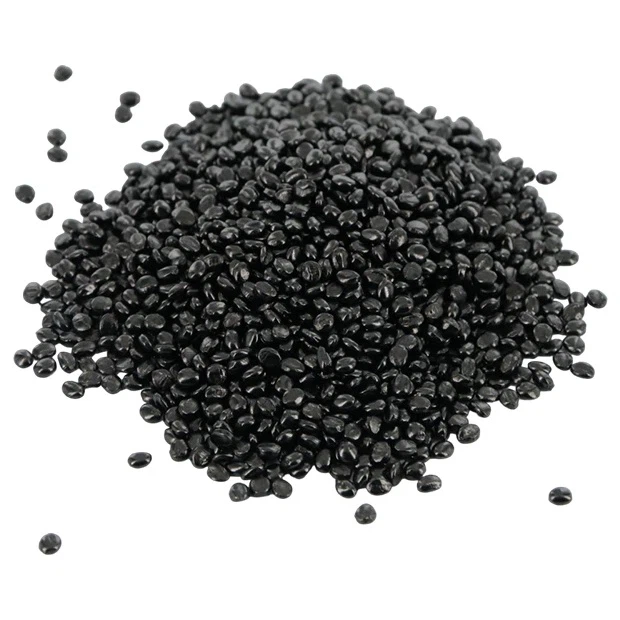
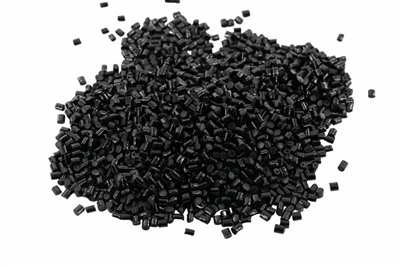

As a supplier of ABS black masterbatch, I often get asked whether our product can be effectively used in the extrusion of ABS. This is a crucial question for manufacturers in the plastics industry, as the right masterbatch can significantly impact the quality, appearance, and performance of the final product. In this blog post, I'll delve into the details of using ABS black masterbatch in ABS extrusion, exploring its advantages, considerations, and best practices.
Understanding ABS and Black Masterbatch
Before we discuss the compatibility of ABS black masterbatch with ABS extrusion, let's briefly understand what ABS and black masterbatch are.


ABS, or Acrylonitrile Butadiene Styrene, is a popular thermoplastic polymer known for its excellent mechanical properties, including high impact resistance, good stiffness, and dimensional stability. It is widely used in various industries, such as automotive, electronics, consumer goods, and toys, due to its versatility and ease of processing.
Black masterbatch, on the other hand, is a concentrated mixture of carbon black pigment and a carrier resin. The carrier resin is typically the same or compatible with the base polymer to ensure good dispersion and compatibility. In the case of ABS black masterbatch, the carrier resin is usually ABS or a resin that is highly compatible with ABS. The primary function of black masterbatch is to provide a uniform and intense black color to the final product while also enhancing its UV resistance and other properties.
Advantages of Using ABS Black Masterbatch in ABS Extrusion
Excellent Compatibility
One of the key advantages of using ABS black masterbatch in ABS extrusion is its excellent compatibility with the base polymer. Since the carrier resin in the masterbatch is either ABS or a compatible resin, it can easily blend with the ABS resin during the extrusion process. This results in a homogeneous mixture, ensuring uniform color distribution and consistent product quality.
Enhanced Color Intensity
ABS black masterbatch contains a high concentration of carbon black pigment, which provides a deep, rich black color to the extruded ABS product. The intense color can enhance the aesthetic appeal of the product, making it more attractive to consumers. Additionally, the use of black masterbatch can help to cover any imperfections or impurities in the base resin, resulting in a more visually appealing finished product.
Improved UV Resistance
Carbon black is a well-known UV stabilizer, which means that ABS black masterbatch can significantly improve the UV resistance of the extruded ABS product. This is particularly important for products that are exposed to sunlight or other sources of UV radiation, such as outdoor furniture, automotive parts, and electronic enclosures. By using ABS black masterbatch, manufacturers can ensure that their products maintain their color and mechanical properties over an extended period of time, even when exposed to harsh environmental conditions.
Cost-Effective Solution
Using ABS black masterbatch is a cost-effective way to achieve a consistent black color in ABS products. Instead of using pure carbon black powder, which can be difficult to disperse and may require additional processing steps, manufacturers can simply add the masterbatch to the ABS resin during the extrusion process. This not only simplifies the production process but also reduces the overall cost of production.
Considerations When Using ABS Black Masterbatch in ABS Extrusion
Dispersion
Proper dispersion of the black masterbatch in the ABS resin is crucial to ensure uniform color distribution and consistent product quality. Poor dispersion can result in color streaks, spots, or uneven coloration in the extruded product. To achieve good dispersion, it is important to use a high-quality masterbatch that is specifically designed for ABS extrusion. Additionally, the extrusion process parameters, such as temperature, screw speed, and mixing time, should be optimized to ensure thorough mixing of the masterbatch and the base resin.
Processing Temperature
The processing temperature is another important consideration when using ABS black masterbatch in ABS extrusion. ABS has a relatively narrow processing temperature range, and exceeding this range can result in thermal degradation of the resin, which can affect the mechanical properties and color of the final product. It is important to follow the manufacturer's recommendations regarding the processing temperature of the ABS resin and the masterbatch to ensure optimal performance.
Additive Compatibility
If other additives, such as antioxidants, lubricants, or flame retardants, are used in the ABS extrusion process, it is important to ensure their compatibility with the black masterbatch. Incompatible additives can react with the masterbatch or the base resin, resulting in color changes, reduced mechanical properties, or other issues. Before using any additives, it is recommended to conduct compatibility tests to ensure that they do not negatively impact the performance of the masterbatch or the final product.
Best Practices for Using ABS Black Masterbatch in ABS Extrusion
Select the Right Masterbatch
When choosing an ABS black masterbatch, it is important to select a high-quality product that is specifically designed for ABS extrusion. Look for a masterbatch that has a high concentration of carbon black pigment, good dispersion properties, and excellent compatibility with the ABS resin. Additionally, consider the specific requirements of your application, such as UV resistance, color fastness, and mechanical properties, when selecting the masterbatch.
Optimize the Extrusion Process
To ensure optimal performance of the ABS black masterbatch in the extrusion process, it is important to optimize the extrusion process parameters. This includes adjusting the temperature, screw speed, and mixing time to ensure thorough mixing of the masterbatch and the base resin. Additionally, use a proper mixing device, such as a twin-screw extruder or a high-speed mixer, to ensure good dispersion of the masterbatch in the resin.
Conduct Quality Control Tests
Before mass-producing the extruded ABS products, it is recommended to conduct quality control tests to ensure that the products meet the required specifications. This includes testing the color, mechanical properties, and UV resistance of the products. By conducting regular quality control tests, you can identify any issues early on and take corrective actions to ensure consistent product quality.
Other Related Black Masterbatches
In addition to ABS black masterbatch, we also offer PS Black Masterbatch and PC Black Masterbatch for different applications. Our PC Black Masterbatch is specifically designed for polycarbonate (PC) extrusion, providing excellent color intensity, UV resistance, and compatibility with PC resin. Whether you are looking for a black masterbatch for ABS, PS, or PC extrusion, we have the right solution for you.
Conclusion
In conclusion, ABS black masterbatch can be effectively used in the extrusion of ABS, offering numerous advantages such as excellent compatibility, enhanced color intensity, improved UV resistance, and cost-effectiveness. However, it is important to consider factors such as dispersion, processing temperature, and additive compatibility when using the masterbatch to ensure optimal performance. By following the best practices outlined in this blog post, manufacturers can achieve consistent and high-quality extruded ABS products with a deep, rich black color.
If you are interested in learning more about our ABS black masterbatch or other related products, please feel free to contact us. Our team of experts is always ready to assist you with your specific requirements and provide you with the best solutions for your business. We look forward to the opportunity to work with you and help you achieve your production goals.
References
- "Plastics Extrusion Technology" by Allan A. Griff
- "Handbook of Thermoplastics" by O. Olabisi