

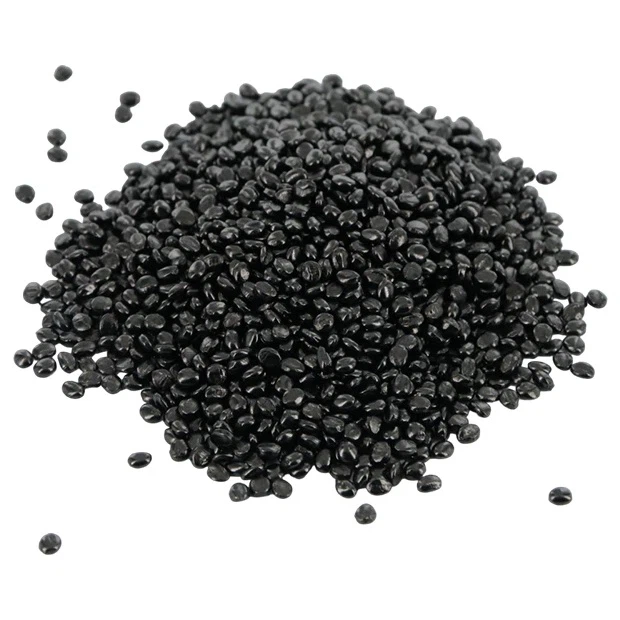
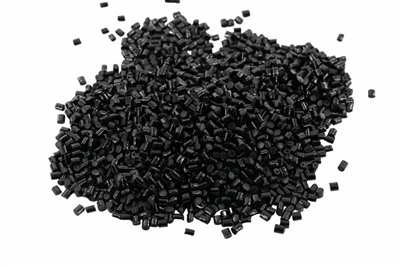

Can black masterbatch for injection be used in electronic components? This is a question that often arises in the manufacturing industry, especially among those involved in the production of electronic devices. As a supplier of black masterbatch for injection, I have encountered this query numerous times. In this blog post, I will delve into the details to provide a comprehensive answer.
Understanding Black Masterbatch for Injection
Before we explore its suitability for electronic components, let's first understand what black masterbatch for injection is. Black masterbatch is a concentrated mixture of carbon black pigment or other black colorants and a carrier resin. It is designed to be added to a base polymer during the injection - molding process to impart a black color to the final product.
The injection - molding process involves melting the polymer and the masterbatch together and then injecting the molten mixture into a mold cavity to form the desired shape. This method is widely used in the manufacturing of various plastic products due to its high efficiency and ability to produce complex shapes with high precision.
Requirements for Electronic Components
Electronic components have specific requirements that must be met to ensure their proper functioning and safety. These requirements can be classified into several categories:
Electrical Properties
Electronic components need to have appropriate electrical insulation properties. Any conductive impurities in the plastic material can cause short - circuits or interfere with the electrical signals of the components. Therefore, the black masterbatch used in electronic components should not introduce significant conductivity.
Thermal Properties
Electronic devices generate heat during operation. The plastic materials used in electronic components should have good heat resistance to prevent deformation or degradation at elevated temperatures. The black masterbatch should not reduce the heat - resistance properties of the base polymer.
Chemical Resistance
Electronic components may be exposed to various chemicals, such as cleaning agents and solvents. The plastic material should be chemically resistant to avoid corrosion or chemical reactions that could affect the performance of the components.
Mechanical Properties
The plastic parts of electronic components need to have sufficient mechanical strength and toughness to withstand handling, assembly, and normal use. The addition of black masterbatch should not significantly weaken the mechanical properties of the base polymer.
Flame Retardancy
In many cases, electronic components are required to have flame - retardant properties to meet safety standards. The black masterbatch should not compromise the flame - retardant characteristics of the base polymer.
Suitability of Black Masterbatch for Injection in Electronic Components
Now, let's assess whether black masterbatch for injection can meet the requirements of electronic components.
High - Quality Carbon Black Selection
Most high - quality black masterbatches for injection use carbon black as the colorant. Carbon black can be produced in different grades, and the selection of the appropriate grade is crucial. For electronic components, low - conductivity carbon black grades are used. These grades are carefully processed to minimize the presence of conductive impurities, ensuring that the electrical insulation properties of the plastic material are maintained.
Compatibility with Base Polymers
The carrier resin in the black masterbatch should be compatible with the base polymer used in the electronic components. Good compatibility ensures that the masterbatch disperses evenly in the base polymer during the injection - molding process, resulting in a uniform color and consistent physical properties. When the carrier resin and the base polymer are well - matched, the mechanical, thermal, and chemical properties of the final product are less likely to be affected.
Additive Formulation
In addition to carbon black and carrier resin, black masterbatches for injection may contain various additives. These additives can be designed to enhance specific properties, such as heat resistance, flame retardancy, and UV stability. For electronic components, additives can be carefully selected and formulated to meet the specific requirements of the application. For example, flame - retardant additives can be incorporated into the masterbatch to improve the fire - safety performance of the plastic parts.
Examples of Applications
Black masterbatch for injection has been successfully used in a wide range of electronic components. For instance, it can be used in the housing of mobile phones, tablets, and laptops. These housings need to have a sleek black appearance while also meeting the electrical, thermal, and mechanical requirements of the devices.
It is also used in the production of connectors, switches, and other small - scale electronic parts. These parts require high precision and good electrical insulation properties, which can be achieved with the proper use of black masterbatch for injection.
Comparison with Other Applications
Black masterbatch for injection is also used in other industries, such as home appliances, PP tableware, and drain pipes. You can find more information about these applications through the following links:
- Black Masterbatch for Home Appliances
- Black Masterbatch for PP Tableware
- Black Masterbatch for Drain Pipe
While the basic principle of using black masterbatch is similar across different industries, the specific requirements vary. For example, black masterbatch for home appliances may focus more on aesthetic appearance and chemical resistance, while black masterbatch for drain pipes needs to have good weather resistance and mechanical strength. In contrast, electronic components have more stringent requirements in terms of electrical properties and flame retardancy.
Quality Control and Assurance
As a supplier of black masterbatch for injection, we understand the importance of quality control. We implement a strict quality - control system throughout the production process.


Raw Material Inspection
We carefully select and inspect all raw materials, including carbon black, carrier resin, and additives. Only high - quality raw materials that meet our strict standards are used in the production of black masterbatch.
Production Process Monitoring
During the production process, we monitor key parameters such as temperature, pressure, and mixing time to ensure consistent product quality. Advanced production equipment and technology are used to ensure the uniform dispersion of carbon black and additives in the carrier resin.
Product Testing
Before the black masterbatch is shipped to customers, it undergoes a series of tests. These tests include electrical conductivity testing, thermal analysis, mechanical property testing, and flame - retardancy testing. Only products that pass all the tests are released for sale.
Conclusion
In conclusion, black masterbatch for injection can be used in electronic components when it is properly formulated and produced. High - quality black masterbatch with low - conductivity carbon black, good compatibility with base polymers, and appropriate additive formulations can meet the specific requirements of electronic components in terms of electrical, thermal, mechanical, and chemical properties.
If you are in the business of manufacturing electronic components and are looking for a reliable black masterbatch for injection, we are here to provide you with high - quality products and professional technical support. We can customize the black masterbatch according to your specific requirements to ensure the best performance of your electronic components. Contact us for more information and to start a procurement negotiation.
References
- "Plastics in Electronics" by John Murphy
- "Masterbatch Technology: Principles and Practice" by David A. Bristow