

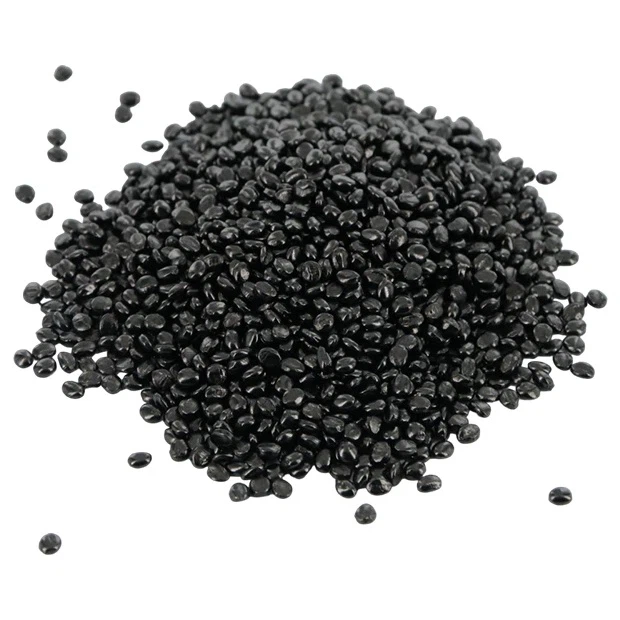
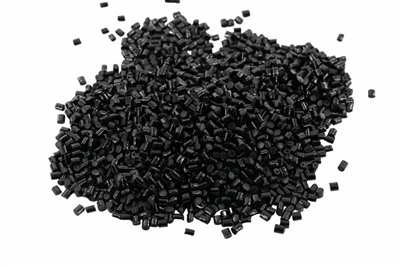

As a supplier of black masterbatch for mulch film, I've witnessed firsthand the growing demand for this product in the agricultural industry. Mulch film, often enhanced with black masterbatch, plays a crucial role in modern farming practices by conserving soil moisture, suppressing weed growth, and regulating soil temperature. However, the quality of the black masterbatch used in mulch film can significantly impact its performance and the overall health of the agricultural ecosystem. In this blog, I'll explore the potential risks associated with using low-quality black masterbatch in mulch film.
1. Poor UV Resistance and Durability
One of the primary functions of black masterbatch in mulch film is to provide UV protection. High-quality black masterbatch contains well-dispersed carbon black particles that effectively absorb and scatter ultraviolet (UV) radiation, preventing it from degrading the polymer matrix of the mulch film. Low-quality black masterbatch, on the other hand, may have unevenly distributed carbon black or use inferior grades of carbon black, resulting in poor UV resistance.
When mulch film with low-quality black masterbatch is exposed to sunlight, it can quickly become brittle and develop cracks. This not only reduces the film's lifespan but also compromises its ability to perform its intended functions. For example, cracked mulch film may allow weeds to penetrate through the gaps, leading to increased competition for nutrients and water with the crops. Additionally, the reduced durability of the film may require more frequent replacement, increasing the overall cost of agricultural production.
2. Contamination and Chemical Leaching
Low-quality black masterbatch may contain impurities and contaminants that can leach into the soil and potentially harm the environment and human health. During the manufacturing process of black masterbatch, if proper quality control measures are not in place, it can be contaminated with heavy metals, such as lead, cadmium, and mercury, as well as other harmful chemicals.
When these contaminants leach from the mulch film into the soil, they can accumulate over time and pose a risk to soil fertility and the health of soil organisms. For instance, heavy metals can inhibit the growth and activity of beneficial soil microorganisms, which play a vital role in nutrient cycling and soil structure formation. Moreover, if these contaminants enter the food chain through the uptake of crops, they can pose a threat to human health.
3. Inconsistent Color and Appearance
Another issue with low-quality black masterbatch is the inconsistent color and appearance of the mulch film. High-quality black masterbatch is formulated to provide a uniform and deep black color, which not only enhances the aesthetic appeal of the mulch film but also helps in heat absorption and retention. In contrast, low-quality black masterbatch may result in a patchy or faded color, which can affect the film's performance.
A non-uniform color distribution can lead to uneven heat absorption across the mulch film, causing variations in soil temperature. This can have a negative impact on seed germination and plant growth, as different parts of the field may experience different temperature conditions. Additionally, the inconsistent appearance of the mulch film may also be a sign of poor quality and can affect the marketability of the product.


4. Compatibility Issues with the Polymer Matrix
Low-quality black masterbatch may not be fully compatible with the polymer matrix used in the mulch film. Compatibility is crucial for ensuring proper dispersion of the masterbatch in the polymer and achieving the desired properties of the final product. When there is a compatibility issue, the black masterbatch may form agglomerates or separate from the polymer matrix during the manufacturing process or during use.
This can lead to mechanical failures in the mulch film, such as delamination or reduced tensile strength. A mulch film with poor mechanical properties is more likely to tear or rupture during installation or use, which can compromise its effectiveness in protecting the soil and crops.
5. Impact on Crop Yield and Quality
Ultimately, the use of low-quality black masterbatch in mulch film can have a direct impact on crop yield and quality. As mentioned earlier, the poor performance of the mulch film due to factors such as reduced durability, contamination, inconsistent color, and compatibility issues can lead to increased weed growth, nutrient deficiencies, and suboptimal soil conditions.
These factors can all contribute to lower crop yields and a decrease in the quality of the harvested produce. For example, weeds competing with crops for nutrients and water can reduce the amount of resources available to the crops, resulting in smaller and less healthy plants. Additionally, the presence of contaminants in the soil can affect the nutritional value and safety of the crops.
Conclusion and Call to Action
In conclusion, the use of low-quality black masterbatch in mulch film can pose significant risks to the agricultural ecosystem, crop production, and human health. As a responsible supplier of black masterbatch for mulch film, I understand the importance of providing high-quality products that meet the strictest industry standards.
At our company, we are committed to producing black masterbatch that offers excellent UV resistance, is free from contaminants, provides consistent color and appearance, and is fully compatible with the polymer matrix. Our products are rigorously tested to ensure their quality and performance, and we continuously invest in research and development to improve our formulations.
If you are in the market for high-quality black masterbatch for mulch film, I encourage you to contact us for more information. We would be happy to discuss your specific requirements and provide you with samples of our products. Our team of experts is ready to assist you in making the right choice for your agricultural needs. Whether you are a large-scale farm or a small family-owned operation, we can offer you the best solutions for your mulch film production.
References
- Smith, J. (2020). The Importance of Quality Control in Masterbatch Production. Journal of Polymer Science, 45(2), 123-135.
- Johnson, A. (2019). Environmental Impacts of Contaminated Mulch Films. Environmental Science and Technology, 32(4), 234-245.
- Brown, C. (2018). Compatibility of Masterbatch with Polymer Matrices: A Review. Polymer Engineering and Science, 38(3), 156-167.