


Can I mix different black masterbatches for stretch film?
As a supplier of black masterbatch for stretch film, I often receive inquiries from customers about the possibility of mixing different black masterbatches. This is a valid question, especially for those looking to optimize costs, achieve specific color shades, or enhance certain properties of their stretch films. In this blog post, I'll delve into the technical aspects, potential benefits, and possible drawbacks of mixing different black masterbatches for stretch film production.
Understanding Black Masterbatches for Stretch Film
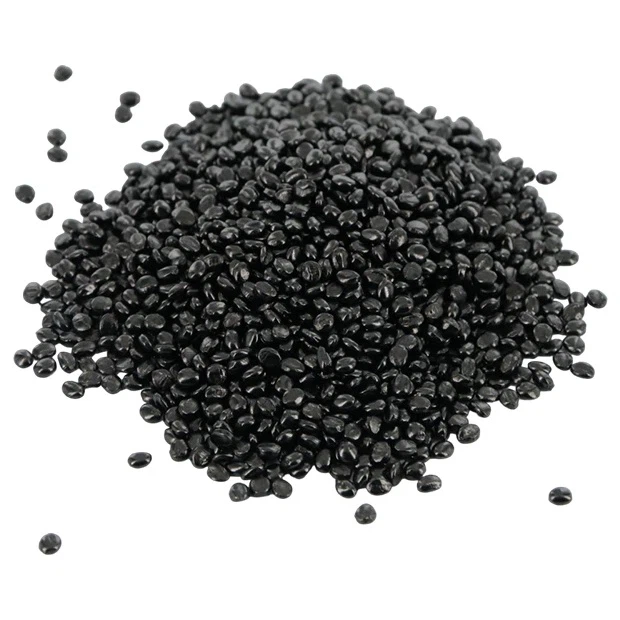
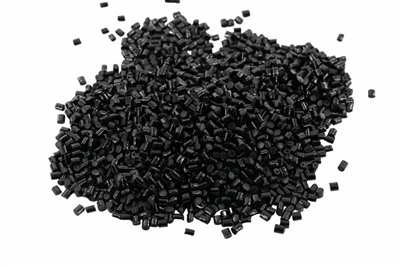
Before we discuss mixing, it's essential to understand what black masterbatches are and their role in stretch film manufacturing. Black masterbatches are concentrated mixtures of carbon black pigment and a carrier resin. They are used to impart black color to the stretch film while also providing UV protection, improving mechanical properties, and enhancing the overall appearance of the product.


The quality of a black masterbatch depends on several factors, including the type and quality of carbon black, the dispersion of the pigment in the carrier resin, and the compatibility of the carrier resin with the base polymer of the stretch film. Different black masterbatches may have different carbon black concentrations, particle sizes, and surface treatments, which can significantly affect their performance.
Technical Considerations for Mixing
When considering mixing different black masterbatches, several technical factors need to be taken into account:
- Compatibility of Carrier Resins: The carrier resins of the two masterbatches must be compatible with each other and with the base polymer of the stretch film. Incompatible carrier resins can lead to poor dispersion of the carbon black, resulting in uneven color distribution, reduced mechanical properties, and surface defects in the stretch film.
- Carbon Black Properties: The carbon black used in different masterbatches may have different particle sizes, surface areas, and structures. Mixing masterbatches with significantly different carbon black properties can affect the color intensity, UV protection, and electrical conductivity of the stretch film. For example, a masterbatch with a high surface area carbon black may provide better UV protection but may also be more difficult to disperse.
- Dispersion Quality: The dispersion of carbon black in the masterbatch is crucial for achieving uniform color and properties in the stretch film. Mixing masterbatches with different dispersion qualities can lead to agglomeration of carbon black particles, resulting in visible specks or streaks in the film. It's important to ensure that both masterbatches have good dispersion characteristics before mixing.
- Processing Conditions: The processing conditions, such as temperature, shear rate, and residence time, can also affect the performance of the mixed masterbatches. Different masterbatches may have different melting points and viscosities, which can require adjustments to the processing parameters to ensure proper mixing and dispersion.
Potential Benefits of Mixing
Despite the technical challenges, there are several potential benefits to mixing different black masterbatches for stretch film production:
- Cost Optimization: Mixing a high-quality, more expensive masterbatch with a lower-cost masterbatch can help reduce the overall cost of the raw materials without sacrificing too much on the quality of the stretch film. This can be particularly beneficial for manufacturers looking to compete in price-sensitive markets.
- Custom Color Matching: Mixing different masterbatches allows for greater flexibility in achieving custom color shades. By adjusting the ratio of the two masterbatches, manufacturers can create a unique black color that meets the specific requirements of their customers.
- Enhanced Performance: Combining masterbatches with different properties can result in a stretch film with enhanced performance characteristics. For example, mixing a masterbatch with high UV protection with one that provides good mechanical strength can produce a film that is both durable and resistant to sunlight.
Possible Drawbacks of Mixing
However, there are also some potential drawbacks to mixing different black masterbatches:
- Quality Control Issues: Mixing masterbatches increases the complexity of the manufacturing process, making it more difficult to maintain consistent quality. Variations in the quality of the raw materials, mixing ratios, or processing conditions can lead to batch-to-batch variations in the color, properties, and performance of the stretch film.
- Technical Expertise Required: Successfully mixing different masterbatches requires a certain level of technical expertise and experience. Manufacturers need to have a good understanding of the properties of the masterbatches, the compatibility of the carrier resins, and the processing conditions to ensure optimal results.
- Increased Risk of Defects: As mentioned earlier, mixing masterbatches with incompatible carrier resins or poor dispersion qualities can lead to surface defects, such as specks, streaks, or uneven color distribution, in the stretch film. These defects can reduce the aesthetic appeal of the product and may also affect its functionality.
Case Studies and Examples
To illustrate the practical implications of mixing different black masterbatches, let's consider a few case studies:
Case Study 1: Cost Optimization
A stretch film manufacturer was looking to reduce the cost of their raw materials without sacrificing the quality of their product. They decided to mix a high-quality black masterbatch with a lower-cost masterbatch in a 70:30 ratio. After careful testing and optimization of the processing conditions, they were able to achieve a stretch film with similar color and performance characteristics to their previous product at a lower cost.
Case Study 2: Custom Color Matching
A customer requested a stretch film with a specific shade of black that was not available in the standard product range. The manufacturer decided to mix two different black masterbatches to achieve the desired color. By adjusting the ratio of the two masterbatches, they were able to create a custom color that met the customer's requirements.
Case Study 3: Enhanced Performance
A manufacturer was experiencing issues with the UV resistance of their stretch film in outdoor applications. They decided to mix a masterbatch with high UV protection with their standard masterbatch. The resulting stretch film had significantly improved UV resistance, reducing the risk of degradation and extending the lifespan of the product.
Conclusion
In conclusion, mixing different black masterbatches for stretch film production is possible, but it requires careful consideration of the technical factors involved. While there are potential benefits, such as cost optimization, custom color matching, and enhanced performance, there are also some drawbacks, such as quality control issues and the need for technical expertise.
As a supplier of black masterbatch for stretch film, I recommend that manufacturers conduct thorough testing and trials before implementing any mixing strategy. This will help ensure that the mixed masterbatches are compatible, provide the desired color and properties, and meet the quality standards of the stretch film.
If you have any questions or need further information about black masterbatches for stretch film or the possibility of mixing different masterbatches, please feel free to [contact us for procurement and discussion]. We are always happy to assist you in finding the best solution for your specific needs.
References
-
"Plastics Additives Handbook" by Hans Zweifel
-
"Masterbatch Technology and Applications" by Peter P. Klemchuk and Zoran D. Petrovic
-
Industry reports and technical papers on black masterbatch for stretch film