


Hey there! As a supplier of black masterbatch for foaming, I've been getting a lot of questions lately about how it affects the moisture resistance of foamed materials. So, I thought I'd sit down and write this blog to share some insights.
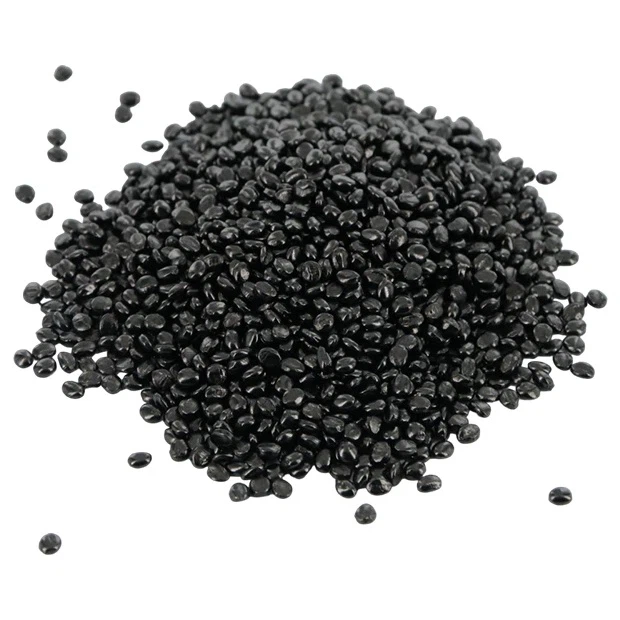
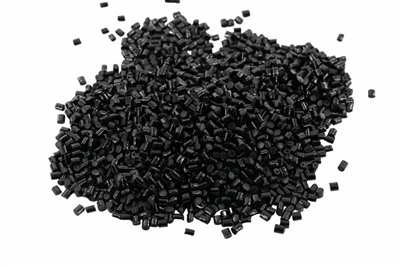
First off, let's talk about what black masterbatch for foaming is. It's basically a concentrated mixture of carbon black pigment and a carrier resin. When added to the base polymer during the foaming process, it gives the foamed material that nice, deep black color. But its impact goes beyond just aesthetics.
The Basics of Moisture Resistance in Foamed Materials
Moisture resistance is a big deal for foamed materials. Whether they're used in packaging, insulation, or other applications, keeping moisture out can prevent a whole host of problems. Moisture can cause the foamed material to lose its structural integrity, leading to reduced strength and durability. It can also promote the growth of mold and mildew, which is not only a health hazard but can also ruin the appearance of the product.
How Black Masterbatch Affects Moisture Resistance
One of the key ways black masterbatch for foaming affects moisture resistance is through the properties of carbon black itself. Carbon black has a high surface area and a unique structure that can interact with water molecules. When incorporated into the foamed material, it can act as a barrier, reducing the rate at which moisture can penetrate the material.
Think of it like a shield. The carbon black particles in the masterbatch are dispersed throughout the foamed matrix. As water tries to make its way into the material, it has to navigate around these particles. This slows down the diffusion process, giving the foamed material more time to resist the effects of moisture.
Another factor is the compatibility between the black masterbatch and the base polymer. A well - formulated masterbatch will have a carrier resin that is highly compatible with the polymer used in the foaming process. This ensures a uniform dispersion of the carbon black in the foamed material. A uniform dispersion means that the moisture - blocking effect is more consistent across the entire material, leading to better overall moisture resistance.


Case Studies
Let's take a look at some real - world examples to see how black masterbatch for foaming impacts moisture resistance.
Black Masterbatch for Water Pipe
In the case of Black Masterbatch for Water Pipe, moisture resistance is crucial. Water pipes are constantly in contact with water, and any ingress of moisture into the pipe material can lead to corrosion, leaks, and other problems. When our black masterbatch is used in the production of water pipes, it helps to create a protective layer within the foamed pipe walls. This layer reduces the amount of water that can seep into the material, increasing the pipe's lifespan and reliability.
Black Masterbatch for PP Tableware
Black Masterbatch for PP Tableware also benefits from improved moisture resistance. Tableware is often exposed to liquids, and if the foamed material absorbs too much moisture, it can become soft and lose its shape. Our black masterbatch helps to keep the tableware dry and maintain its structural integrity, even when in contact with water or other beverages.
Black Masterbatch for Filament
When it comes to Black Masterbatch for Filament, moisture can cause problems during the 3D printing process. Filaments that absorb moisture can clog the printer nozzle, affect the print quality, and reduce the strength of the printed object. By using our black masterbatch, the filament becomes more resistant to moisture, resulting in better printability and stronger printed parts.
Factors to Consider
Of course, there are some factors that can influence how well the black masterbatch for foaming improves moisture resistance.
Loading Level
The amount of black masterbatch added to the base polymer matters. If the loading level is too low, there may not be enough carbon black to create an effective moisture - blocking barrier. On the other hand, if it's too high, it can affect the physical properties of the foamed material, such as its flexibility and strength. Finding the right balance is key.
Processing Conditions
The way the foamed material is processed also plays a role. Factors like temperature, pressure, and mixing time can all affect the dispersion of the black masterbatch and, consequently, the moisture resistance of the final product. For example, if the mixing is not thorough enough, the carbon black may not be evenly distributed, leading to inconsistent moisture resistance.
Conclusion
In conclusion, black masterbatch for foaming can have a significant impact on the moisture resistance of foamed materials. Through the unique properties of carbon black and the right formulation, it can create a barrier against moisture, improving the durability and performance of the foamed products. Whether it's for water pipes, PP tableware, or filaments, our black masterbatch can provide the moisture - resistance benefits you need.
If you're in the market for high - quality black masterbatch for foaming and want to discuss how it can improve the moisture resistance of your foamed materials, I'd love to hear from you. Just reach out, and we can start a conversation about your specific needs and how we can help you achieve the best results.
References
- "The Role of Carbon Black in Polymer Composites" by Polymer Science Journal
- "Moisture Resistance of Foamed Materials: A Review" by Materials Research Institute