


As a supplier of no carrier black masterbatch, I've witnessed firsthand the significant impact it can have on various plastic products. One crucial aspect that often concerns manufacturers is how the use of no carrier black masterbatch affects the odor of the final products. In this blog post, I'll delve into this topic, exploring the science behind it and providing insights based on my experience in the industry.


Understanding No Carrier Black Masterbatch
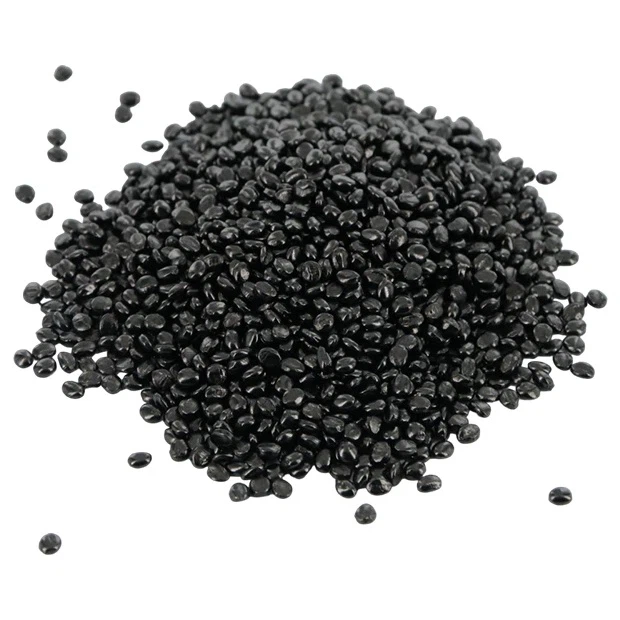
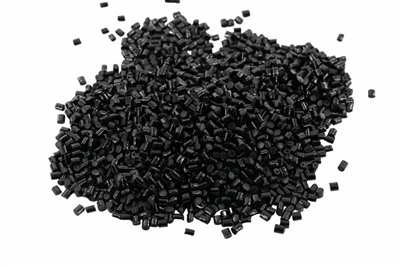
Before we discuss its impact on odor, let's first understand what no carrier black masterbatch is. No carrier black masterbatch is a specialized form of black masterbatch that doesn't contain a traditional carrier resin. Instead, it consists mainly of high - quality carbon black pigments and additives. This unique composition makes it suitable for a wide range of applications, especially those where the presence of a carrier resin might cause issues. You can learn more about No Carrier Black Masterbatch on our website.
Factors Affecting Odor in Plastic Products
Odor in plastic products can stem from several sources. Firstly, the raw materials used in the production of plastics can emit odors. For example, some polymers have a characteristic smell due to their chemical structure. Secondly, additives such as plasticizers, stabilizers, and antioxidants can also contribute to the odor. Thirdly, the manufacturing process itself, including high - temperature processing and chemical reactions, can generate unpleasant smells.
How No Carrier Black Masterbatch Affects Odor
Reduced Odor from Carrier Resins
One of the most significant advantages of using no carrier black masterbatch is the reduction of odor associated with carrier resins. Traditional masterbatches often use carrier resins like polyethylene (PE), polypropylene (PP), or polystyrene (PS). These resins can release volatile organic compounds (VOCs) during processing, which are the main cause of unpleasant odors in plastic products. Since no carrier black masterbatch doesn't contain a carrier resin, it eliminates this potential source of odor. For instance, in applications where low - odor products are required, such as food packaging or medical devices, no carrier black masterbatch can be a game - changer. You can find more information about No Carrier Black Masterbatch and its benefits on our website.
Impact of Carbon Black and Additives
The carbon black used in no carrier black masterbatch is generally odorless. However, it's essential to ensure that the carbon black is of high quality and properly treated. Low - quality carbon black may contain impurities that can emit odors. Additionally, the additives used in no carrier black masterbatch need to be carefully selected. We use high - purity additives that are designed to minimize odor generation. For example, our additives are formulated to be stable at high processing temperatures, reducing the likelihood of chemical reactions that could produce odors.
Compatibility with Polymers
The compatibility of no carrier black masterbatch with the base polymer also plays a role in odor control. If the masterbatch is not well - compatible with the polymer, it can lead to phase separation or incomplete dispersion, which may result in odor generation. Our no carrier black masterbatch is engineered to have excellent compatibility with a wide range of polymers, including PS Black Masterbatch applications. This ensures uniform dispersion and reduces the risk of odor - causing issues.
Case Studies
Let's look at some real - world examples of how no carrier black masterbatch has affected the odor of products.
Food Packaging Industry
A food packaging manufacturer was facing issues with the odor of their plastic containers. They were using a traditional masterbatch with a PE carrier resin, which was emitting a strong odor that was unacceptable for food contact applications. After switching to our no carrier black masterbatch, the odor problem was significantly reduced. The containers now met the strict odor requirements for food packaging, and the manufacturer was able to improve the quality of their products and meet customer expectations.
Medical Device Industry
In the medical device industry, odor is a critical factor as medical devices need to be odor - free to ensure patient comfort and safety. A medical device manufacturer was using a masterbatch that was causing a faint but noticeable odor in their products. By using our no carrier black masterbatch, the odor was virtually eliminated. This not only improved the quality of the medical devices but also enhanced the manufacturer's reputation in the market.
Testing and Quality Control
To ensure that our no carrier black masterbatch meets the highest standards of odor control, we conduct rigorous testing. We use advanced analytical techniques such as gas chromatography - mass spectrometry (GC - MS) to detect and quantify VOCs in our products. Our quality control team also performs sensory evaluations to ensure that the products meet the desired odor criteria. We follow strict quality management systems to ensure consistency in our products and to provide our customers with reliable and low - odor solutions.
Conclusion
In conclusion, no carrier black masterbatch has a significant impact on reducing the odor of plastic products. By eliminating the carrier resin, it reduces the emission of VOCs and eliminates a major source of odor. The high - quality carbon black and carefully selected additives further contribute to low - odor performance. In addition, its excellent compatibility with polymers ensures uniform dispersion and reduces the risk of odor - causing issues.
If you're a manufacturer looking for a solution to reduce the odor of your plastic products, we invite you to explore our range of no carrier black masterbatch. Our team of experts is ready to provide you with technical support and help you find the best solution for your specific application. Contact us to start a procurement discussion and take your product quality to the next level.
References
- "Plastics Additives Handbook" by Hans Zweifel
- "Introduction to Polymer Science and Technology" by C. D. Craver and C. E. Carraher
- Research papers on the reduction of VOCs in plastic products from scientific journals such as Polymer Engineering and Science.