

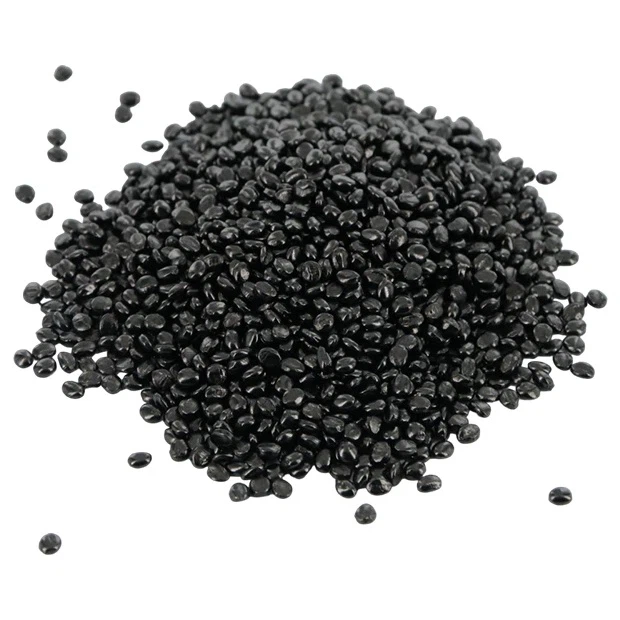
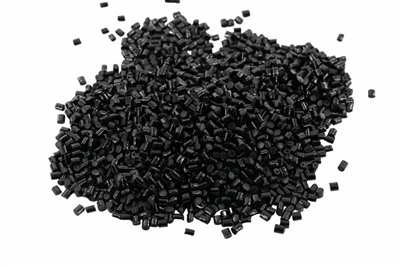

As a supplier of universal black masterbatch, I've witnessed firsthand the challenges and opportunities associated with handling its waste. Universal black masterbatch is a highly concentrated mixture of carbon black pigment and a carrier resin, used to impart black color to various plastic products. While it offers numerous benefits in terms of color consistency and ease of use, the waste generated during its production and application can pose environmental and economic challenges. In this blog, I'll share some practical strategies for effectively managing and minimizing the waste of universal black masterbatch.
Understanding the Sources of Waste
Before we delve into waste management strategies, it's essential to understand the primary sources of waste in the production and use of universal black masterbatch. These sources can be broadly categorized into three main areas:
Production Waste
During the manufacturing process of universal black masterbatch, several factors can contribute to waste generation. These include:
- Off - spec batches: If the masterbatch does not meet the required quality standards in terms of color, dispersion, or other properties, it is considered off - spec and may be discarded.
- Cleaning residues: When changing production runs or cleaning equipment, small amounts of masterbatch can be left behind in the machinery, which are often disposed of as waste.
- Packaging waste: The packaging materials used to store and transport the masterbatch, such as bags, drums, or containers, can also contribute to overall waste.
Application Waste
When customers use universal black masterbatch to color their plastic products, waste can occur in the following ways:
- Over - dosing: In some cases, users may add more masterbatch than necessary to achieve the desired color, resulting in excess material being wasted.
- Molding and extrusion scrap: During the molding or extrusion processes, defective parts or scrap materials that contain the masterbatch are often generated and discarded.
- End - of - life products: Once plastic products reach the end of their useful life, the masterbatch they contain becomes part of the waste stream if not properly recycled.
Strategies for Minimizing Waste in Production
As a supplier, we have a responsibility to minimize waste during the production of universal black masterbatch. Here are some effective strategies:
Quality Control and Process Optimization
Implementing strict quality control measures can significantly reduce the production of off - spec batches. By closely monitoring the production process, adjusting parameters in real - time, and using advanced testing equipment, we can ensure that each batch meets the required specifications. This not only reduces waste but also improves the overall efficiency of the production process.
Equipment Cleaning and Maintenance
Proper cleaning and maintenance of production equipment are crucial for minimizing waste. Using efficient cleaning methods and solvents can help recover more masterbatch from the equipment during cleaning operations. Additionally, regular maintenance can prevent equipment breakdowns and reduce the amount of material lost due to malfunctions.
Packaging Design and Recycling
We can also minimize packaging waste by optimizing the design of our packaging materials. Using reusable or recyclable packaging options, such as bulk containers or returnable drums, can significantly reduce the amount of waste generated. Encouraging customers to return used packaging for reuse or recycling can further contribute to waste reduction.
Strategies for Minimizing Waste in Application
In addition to reducing waste during production, we can also help our customers minimize waste when using our universal black masterbatch. Here are some suggestions:
Technical Support and Training
Providing comprehensive technical support and training to our customers can help them use the masterbatch more efficiently. By educating them on the proper dosing rates, processing conditions, and best practices for coloration, we can reduce the likelihood of over - dosing and improve the quality of their products.


Customized Solutions
Offering customized masterbatch solutions tailored to the specific needs of our customers can also help minimize waste. By developing masterbatches with the exact color and performance characteristics required, we can eliminate the need for customers to use excess material to achieve the desired results.
Recycling Programs
Establishing recycling programs for our customers can encourage them to recycle the scrap materials and end - of - life products that contain our masterbatch. This not only reduces waste but also helps to conserve resources and reduce the environmental impact of plastic production.
Recycling and Reusing Universal Black Masterbatch Waste
Recycling and reusing universal black masterbatch waste is an effective way to reduce its environmental impact and recover valuable resources. Here are some methods for recycling and reusing masterbatch waste:
In - house Recycling
In some cases, it may be possible to recycle the masterbatch waste generated during production in - house. By grinding the waste material and re - incorporating it into the production process, we can reduce the amount of virgin material required and lower production costs.
External Recycling Partners
Partnering with external recycling companies can also be a viable option for recycling masterbatch waste. These companies have the expertise and equipment necessary to process the waste material and convert it into reusable products.
Reusing in Lower - grade Applications
If the recycled masterbatch does not meet the quality requirements for high - end applications, it can be reused in lower - grade products or applications. For example, the recycled masterbatch can be used to color plastic pallets, pipes, or other non - critical products.
The Economic and Environmental Benefits of Waste Reduction
Reducing the waste of universal black masterbatch offers several economic and environmental benefits. From an economic perspective, waste reduction can lead to cost savings by reducing the amount of raw material used, lowering disposal costs, and improving production efficiency. Additionally, by offering recycling and waste management solutions to our customers, we can enhance our competitiveness in the market and build stronger relationships with them.
From an environmental perspective, waste reduction helps to conserve natural resources, reduce energy consumption, and minimize the amount of plastic waste that ends up in landfills or the environment. By implementing sustainable waste management practices, we can contribute to a more circular economy and help protect the planet for future generations.
Conclusion
Handling the waste of universal black masterbatch is a complex but essential task for suppliers and users alike. By understanding the sources of waste, implementing effective waste reduction strategies, and promoting recycling and reuse, we can minimize the environmental impact of universal black masterbatch and create a more sustainable future.
If you're interested in learning more about our universal black masterbatch products, such as Black Masterbatch For Granulation, Engineering Compounding Black Masterbatch, or Black Masterbatch for Filament, or if you have any questions about waste management and recycling, please don't hesitate to contact us for a procurement discussion.
References
- "Plastics Recycling Handbook" by Hans - Joachim Endres
- "Sustainable Polymer Technologies" by Charles A. Wilkie
- Industry reports on plastic masterbatch production and waste management