

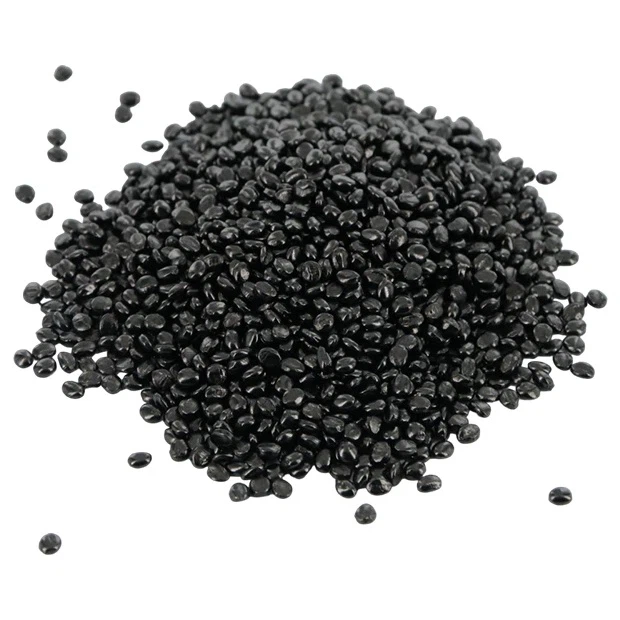
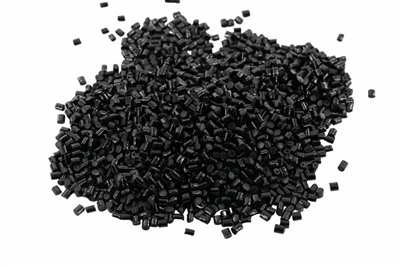

As a supplier of black masterbatch for filament, I've encountered numerous challenges that customers face when using our product. In this blog, I'll share some common problems and effective solutions to help you achieve optimal results in your filament production.
1. Dispersion Issues
One of the most prevalent problems when using black masterbatch for filament is poor dispersion. When the carbon black particles in the masterbatch do not disperse evenly throughout the polymer matrix, it can lead to inconsistent color, reduced mechanical properties, and surface defects in the final filament.


Causes
- Incompatible Polymers: If the base polymer of the masterbatch is not compatible with the polymer used in the filament production, it can prevent proper dispersion.
- Insufficient Mixing: Inadequate mixing during the extrusion process can also result in poor dispersion. This can happen if the mixing equipment is not properly calibrated or if the mixing time is too short.
- High Viscosity: Polymers with high viscosity can make it difficult for the masterbatch to disperse evenly. This is especially true for some engineering plastics.
Solutions
- Choose Compatible Masterbatch: Select a black masterbatch that is specifically formulated for the type of polymer you are using. Our company offers a wide range of black masterbatches, including Black Masterbatch for Shopping Bag, Black Masterbatch for Film Blown, and Black Masterbatch for Blown Bottle, which are designed to be compatible with different polymers.
- Optimize Mixing Conditions: Ensure that your mixing equipment is properly calibrated and that you are using the correct mixing speed and time. You may also consider using a twin-screw extruder, which provides better mixing and dispersion compared to a single-screw extruder.
- Use Dispersing Agents: In some cases, adding a dispersing agent to the polymer/masterbatch mixture can improve dispersion. These agents help to reduce the surface tension between the carbon black particles and the polymer, allowing for better wetting and dispersion.
2. Color Variation
Color variation is another common problem in filament production. It can be caused by a variety of factors, including inconsistent masterbatch dosage, material degradation, and environmental conditions.
Causes
- Inaccurate Dosage: If the amount of black masterbatch added to the polymer is not accurate, it can result in color variation from batch to batch.
- Material Degradation: Exposure to high temperatures, moisture, or UV light during storage or processing can cause the masterbatch or the polymer to degrade, leading to color changes.
- Environmental Factors: Changes in temperature, humidity, and air quality during the extrusion process can also affect the color of the filament.
Solutions
- Precise Dosage Control: Use a high-precision dosing system to ensure that the correct amount of black masterbatch is added to the polymer. Regularly calibrate the dosing equipment to maintain accuracy.
- Proper Storage and Handling: Store the black masterbatch in a cool, dry place away from direct sunlight. Follow the recommended storage conditions provided by the supplier. During processing, minimize the exposure of the material to high temperatures and moisture.
- Monitor and Control Environmental Conditions: Keep the extrusion environment as stable as possible. Use temperature and humidity control systems to maintain consistent processing conditions.
3. Surface Defects
Surface defects such as streaks, specks, and bubbles can significantly affect the quality and appearance of the filament. These defects can be caused by impurities in the masterbatch, poor melt flow, or improper processing conditions.
Causes
- Impurities in Masterbatch: Contaminants in the black masterbatch, such as dust, debris, or un-dispersed particles, can cause surface defects in the filament.
- Poor Melt Flow: If the melt flow of the polymer/masterbatch mixture is not sufficient, it can lead to uneven flow and surface defects. This can be due to high viscosity, improper temperature settings, or a lack of lubricants.
- Processing Conditions: Incorrect extrusion temperature, pressure, or speed can also cause surface defects. For example, if the temperature is too high, it can cause the polymer to degrade and form bubbles.
Solutions
- Quality Control of Masterbatch: Ensure that the black masterbatch you purchase is of high quality and free from impurities. Our company has strict quality control measures in place to ensure the purity and consistency of our products.
- Improve Melt Flow: Adjust the processing conditions to improve the melt flow of the polymer/masterbatch mixture. This may include increasing the temperature, adding a lubricant, or reducing the viscosity of the polymer.
- Optimize Processing Parameters: Fine-tune the extrusion temperature, pressure, and speed to achieve the best possible surface quality. Conduct trial runs and make adjustments based on the results.
4. Mechanical Property Degradation
In some cases, the use of black masterbatch can lead to a reduction in the mechanical properties of the filament, such as tensile strength, elongation at break, and impact resistance. This can be caused by the presence of carbon black particles, which can act as stress concentrators, or by the interaction between the masterbatch and the polymer.
Causes
- Carbon Black Agglomeration: If the carbon black particles in the masterbatch agglomerate, they can form large clusters that act as stress concentrators, reducing the mechanical properties of the filament.
- Incompatible Additives: Some additives in the black masterbatch may interact with the polymer in a way that degrades its mechanical properties. For example, certain stabilizers or dispersing agents may react with the polymer under certain conditions.
- Overloading of Masterbatch: Using too much black masterbatch can also lead to mechanical property degradation. Excessive carbon black can disrupt the polymer matrix and reduce its strength and flexibility.
Solutions
- Improve Dispersion: As mentioned earlier, improving the dispersion of the carbon black particles in the polymer matrix can help to reduce the formation of stress concentrators and improve the mechanical properties of the filament.
- Select Appropriate Additives: Choose a black masterbatch that contains additives that are compatible with the polymer and do not cause any adverse reactions. Our technical team can provide you with advice on the best additives for your specific application.
- Optimize Masterbatch Dosage: Determine the optimal amount of black masterbatch to use based on your desired color and mechanical properties. Conduct tests to find the right balance between color intensity and mechanical performance.
Conclusion
Using black masterbatch for filament production can present several challenges, but with the right knowledge and solutions, these problems can be effectively addressed. As a supplier, we are committed to providing high-quality black masterbatches and technical support to help you achieve the best results in your filament production. If you are facing any issues or have any questions about using our black masterbatch, please feel free to contact us for further assistance. We look forward to discussing your specific requirements and working with you to find the best solutions for your business.
References
- "Plastics Additives Handbook" by Hans Zweifel
- "Polymer Processing: Principles and Practice" by Christopher Rauwendaal