

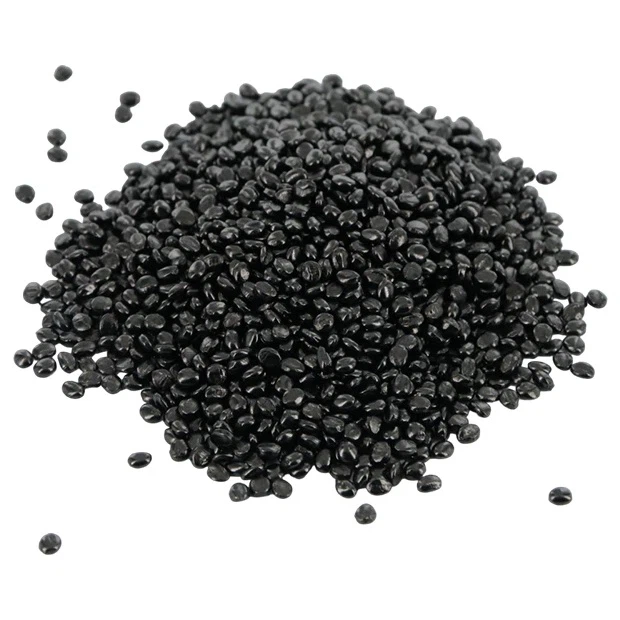
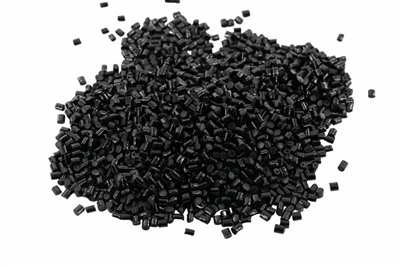

As a supplier of black masterbatch for granulation, I've witnessed firsthand the diverse demands and applications of this essential product in the plastics industry. Black masterbatch is a concentrated mixture of carbon black pigment and a carrier resin, used to impart color and other properties to plastic products during the granulation process. In this blog, I'll explore the different types of black masterbatch for granulation, their unique characteristics, and the applications they're best suited for.
High - Load Black Masterbatch
High - load black masterbatch is characterized by a high concentration of carbon black. Typically, the carbon black content can range from 40% to 70%. This type of masterbatch is cost - effective as it requires a relatively small amount to achieve the desired black color in the final plastic product.
The high carbon black concentration also provides excellent UV protection. Plastics exposed to sunlight, such as outdoor furniture, agricultural films, and automotive exterior parts, can benefit greatly from the UV - blocking properties of high - load black masterbatch. During the granulation process, it can be easily dispersed in the base resin, ensuring a uniform color throughout the plastic granules. However, due to its high carbon black content, it may have a slightly higher viscosity, which requires careful consideration when choosing the processing equipment and conditions. You can find more information about our high - quality high - load black masterbatch at Black Masterbatch for Granulation.
Low - Load Black Masterbatch
In contrast to high - load black masterbatch, low - load black masterbatch has a lower carbon black content, usually between 10% and 30%. This type of masterbatch is ideal for applications where a lighter black shade or a more translucent appearance is required. For example, in the production of some consumer goods like plastic toys or small household items, a less intense black color may be more aesthetically pleasing.
Low - load black masterbatch also offers better flow properties during granulation. It can be processed at lower temperatures and pressures, which is beneficial for reducing energy consumption and wear on the processing equipment. Additionally, it is more suitable for applications where the mechanical properties of the base resin need to be minimally affected. Since the carbon black content is relatively low, it has less impact on the strength, flexibility, and other physical properties of the plastic.
Food - Grade Black Masterbatch
Food - grade black masterbatch is specifically designed for use in plastic products that come into contact with food. It is formulated using food - safe carbon black pigments and carrier resins that comply with strict regulatory standards, such as the FDA (Food and Drug Administration) in the United States and the EU food contact regulations.
This type of masterbatch ensures that there is no migration of harmful substances from the plastic into the food. It is commonly used in the production of food packaging, such as plastic containers, bottles, and food trays. During the granulation process, strict quality control measures are implemented to guarantee the safety and purity of the food - grade black masterbatch. The color consistency and dispersion properties are also carefully maintained to ensure that the final food - contact plastic products have a uniform and appealing appearance.
Conductive Black Masterbatch
Conductive black masterbatch is engineered to provide electrical conductivity to plastic products. It contains a special type of carbon black with high electrical conductivity properties. This type of masterbatch is used in a wide range of applications, including electronic packaging, antistatic materials, and electromagnetic shielding.
In the electronics industry, conductive black masterbatch is used to make plastic enclosures for electronic devices. These enclosures can prevent the build - up of static electricity, which could damage sensitive electronic components. During granulation, the conductive carbon black needs to be evenly dispersed in the base resin to ensure a consistent level of conductivity throughout the plastic granules. The amount of conductive carbon black added can be adjusted according to the specific conductivity requirements of the final product.
Fiber - Grade Black Masterbatch
Fiber - grade black masterbatch is designed for use in the production of synthetic fibers. It has unique properties that make it suitable for the spinning process, which is used to create fibers from plastic polymers.
This type of masterbatch needs to have excellent dispersion properties to ensure that the carbon black is evenly distributed within the fibers. It also needs to be compatible with the spinning equipment and the specific fiber - forming polymers. Fiber - grade black masterbatch is commonly used in the production of black fibers for textiles, such as clothing, carpets, and industrial fabrics. It can provide a deep, rich black color to the fibers while maintaining their strength and other mechanical properties.
Black Masterbatch for Stretch Film
Stretch film is widely used in the packaging industry to wrap and secure products. Black Masterbatch for Stretch Film is specially formulated to meet the unique requirements of stretch film production.
It needs to have good dispersion properties to ensure a uniform black color across the film. At the same time, it should not significantly affect the stretchability and tear resistance of the film. The masterbatch should also be able to withstand the high - speed processing conditions typically used in stretch film production. This type of black masterbatch can be used to produce black stretch films for applications where product visibility is not required, such as protecting products from UV light or providing privacy.
Black Masterbatch for Pipe
Pipes made from plastic materials are used in various industries, including plumbing, irrigation, and gas transportation. Black Masterbatch for Pipe is designed to meet the specific needs of pipe production.
It provides excellent UV protection to prevent the pipes from degrading when exposed to sunlight. The masterbatch also needs to be compatible with the pipe - forming process, which may involve extrusion at high temperatures and pressures. It should ensure a smooth inner and outer surface of the pipes, which is crucial for efficient fluid flow. Additionally, it should not compromise the mechanical strength and durability of the pipes, as they need to withstand the pressure and environmental conditions in their intended applications.
Conclusion
The different types of black masterbatch for granulation offer a wide range of solutions for various plastic processing applications. Whether you need a high - load masterbatch for UV protection, a food - grade masterbatch for food contact applications, or a conductive masterbatch for electronic uses, there is a suitable option available.


As a supplier of black masterbatch for granulation, we are committed to providing high - quality products that meet the specific requirements of our customers. Our products are carefully formulated and tested to ensure consistent quality, excellent dispersion, and optimal performance. If you are interested in purchasing black masterbatch for your granulation process, we invite you to contact us for further discussions. We can help you choose the right type of black masterbatch based on your application needs and provide you with detailed technical support.
References
- "Plastics Additives Handbook" by Hans Zweifel
- "Handbook of Carbon Black" by Donato Botta