

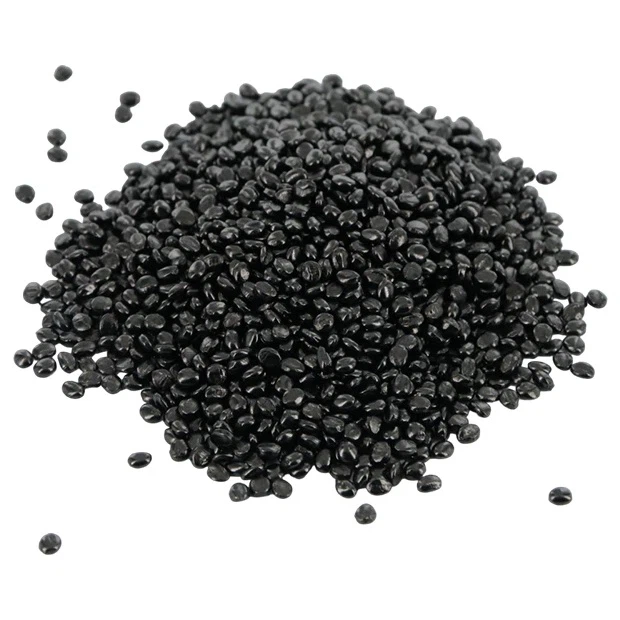
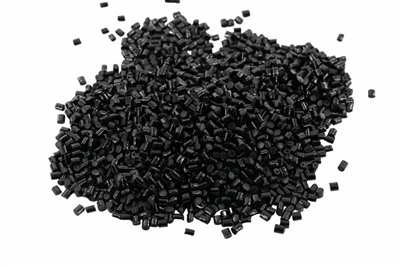

Improving the compatibility of black masterbatch for sheets with the base resin is a crucial aspect for sheet manufacturers. As a supplier of black masterbatch for sheets, I understand the challenges faced in achieving optimal compatibility. In this blog, I will share some insights and strategies on how to enhance this compatibility.
Understanding the Basics of Compatibility
Compatibility between the black masterbatch and the base resin refers to the ability of the two materials to blend uniformly and form a stable, homogeneous mixture. When the compatibility is good, the sheet will have consistent color, mechanical properties, and surface finish. Poor compatibility, on the other hand, can lead to issues such as color streaks, delamination, and reduced mechanical strength.


The base resin used in sheet production can vary widely, including polyethylene (PE), polypropylene (PP), polyvinyl chloride (PVC), and others. Each resin has its own unique chemical structure, polarity, and processing characteristics. The black masterbatch needs to be formulated in a way that is compatible with the specific base resin.
Factors Affecting Compatibility
Chemical Structure and Polarity
The chemical structure and polarity of the base resin and the black masterbatch play a significant role in compatibility. Resins with similar polarities tend to be more compatible. For example, PE and PP are non - polar polymers, so black masterbatches formulated with non - polar carriers are more likely to be compatible with them. PVC, on the other hand, is a polar polymer, and a masterbatch with a polar carrier would be a better choice.
Molecular Weight
The molecular weight of the components in the black masterbatch and the base resin can also affect compatibility. If the molecular weight difference between the masterbatch carrier and the base resin is too large, it can lead to phase separation. A proper balance of molecular weights is necessary to ensure good dispersion and compatibility.
Processing Conditions
The processing temperature, shear rate, and residence time during sheet production can impact compatibility. High processing temperatures can cause degradation of the masterbatch or the base resin, leading to reduced compatibility. Adequate shear is required to disperse the masterbatch evenly in the base resin, but excessive shear can also cause damage to the materials.
Strategies to Improve Compatibility
Selecting the Right Carrier Resin
The carrier resin in the black masterbatch is a key factor in determining compatibility. It should have similar chemical and physical properties to the base resin. For example, if the base resin is HDPE, using an HDPE - based carrier resin in the black masterbatch can significantly improve compatibility. At our company, we offer a range of black masterbatches with different carrier resins to meet the specific needs of various base resins. You can explore our Engineering Compounding Black Masterbatch which is designed for high - performance applications and has excellent compatibility with engineering resins.
Using Compatibilizers
Compatibilizers are additives that can improve the interaction between the black masterbatch and the base resin. They work by reducing the interfacial tension between the two phases, promoting better dispersion. There are different types of compatibilizers available, such as maleic anhydride - grafted polymers. Adding a small amount of a suitable compatibilizer to the black masterbatch formulation can enhance compatibility, especially when dealing with resins that have different polarities.
Optimizing the Pigment Dispersion
Proper pigment dispersion in the black masterbatch is essential for good compatibility. Agglomerated pigments can cause uneven distribution in the base resin, leading to compatibility issues. We use advanced dispersion technologies in our manufacturing process to ensure that the carbon black pigment in our black masterbatch is finely dispersed. This not only improves the color quality but also enhances the compatibility with the base resin. Our Black Masterbatch for Strech Film is formulated with highly dispersed carbon black, which provides excellent compatibility with stretch film resins.
Adjusting the Masterbatch Formulation
The formulation of the black masterbatch can be adjusted based on the specific requirements of the base resin. This may involve changing the type and amount of additives, such as lubricants, antioxidants, and UV stabilizers. These additives can not only improve the processing performance but also enhance the compatibility between the masterbatch and the base resin. For example, a lubricant can reduce the friction between the masterbatch and the base resin during processing, facilitating better mixing.
Conducting Compatibility Tests
Before large - scale production, it is important to conduct compatibility tests between the black masterbatch and the base resin. These tests can include visual inspection, mechanical property testing, and thermal analysis. By evaluating the compatibility at the laboratory scale, any potential issues can be identified and addressed early. We provide technical support to our customers and can assist in conducting these compatibility tests to ensure the best results.
Case Studies
Let's take a look at a few case studies to illustrate the importance of improving compatibility.
Case 1: A sheet manufacturer was using a black masterbatch with poor compatibility with their PP base resin. The sheets showed color streaks and had reduced mechanical strength. After switching to our Black Masterbatch for Filament, which is formulated for high - compatibility with PP, the color uniformity improved significantly, and the mechanical properties of the sheets met the required standards.
Case 2: A PVC sheet producer was experiencing delamination issues due to poor compatibility between the black masterbatch and the PVC resin. By using a black masterbatch with a polar carrier resin and adding a compatibilizer, the delamination problem was resolved, and the sheets had a smooth surface finish and consistent color.
Conclusion
Improving the compatibility of black masterbatch for sheets with the base resin is a multi - faceted process that involves understanding the properties of the materials, selecting the right components, and optimizing the processing conditions. As a supplier of black masterbatch for sheets, we are committed to providing high - quality products and technical support to help our customers achieve the best results.
If you are looking for a reliable black masterbatch for your sheet production and want to improve the compatibility with your base resin, we would be glad to discuss your specific requirements. Contact us for more information and to start a procurement discussion.
References
- "Plastics Additives Handbook" by Hans Zweifel
- "Polymer Blends and Alloys" by L. A. Utracki
- Technical literature from major resin and masterbatch manufacturers