

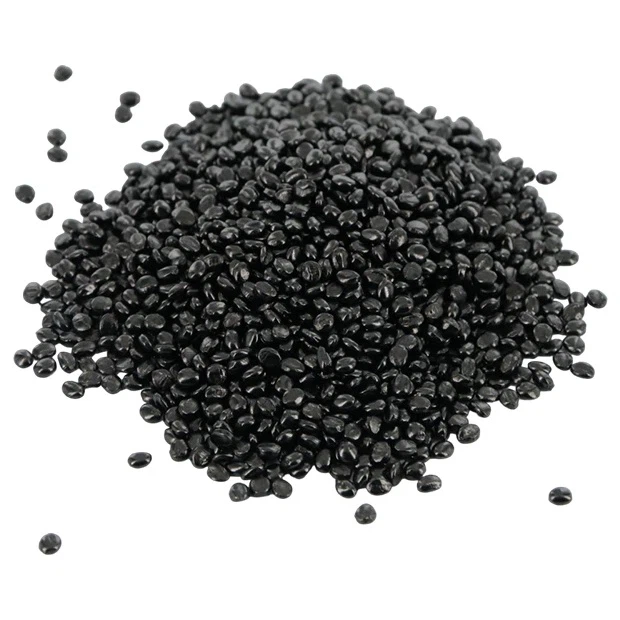
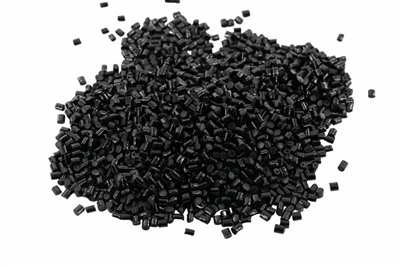

As a supplier of black masterbatch for drain pipes, I've witnessed firsthand the dynamic nature of this industry. The future development trends of black masterbatch for drain pipes are shaped by a multitude of factors, including technological advancements, environmental concerns, and market demands. In this blog, I'll explore these trends and how they're likely to impact our business and the broader industry.
Technological Advancements
One of the most significant trends in the future of black masterbatch for drain pipes is the continuous improvement in manufacturing technologies. New processes are being developed to enhance the dispersion of carbon black, the primary pigment in black masterbatch. Better dispersion leads to more uniform color distribution in the drain pipes, improving their aesthetic appeal and overall quality.
For instance, high - shear mixing technologies are becoming more prevalent. These technologies use intense mechanical forces to break down carbon black agglomerates, ensuring that the pigment is evenly distributed throughout the polymer matrix. This results in drain pipes with a consistent black color, free from streaks or color variations.


Another area of technological advancement is the development of masterbatches with improved compatibility with different polymer resins. Drain pipes can be made from a variety of polymers such as PVC, HDPE, and PP. A black masterbatch that can be easily incorporated into different resins without affecting their mechanical properties is highly desirable. Research is ongoing to develop universal black masterbatches that offer excellent compatibility across a wide range of polymers. You can learn more about our Black Masterbatch For Granulation, which showcases our efforts in this area.
Environmental Sustainability
In recent years, environmental concerns have become a driving force in the development of black masterbatch for drain pipes. There is a growing demand for sustainable and eco - friendly products in the market. This has led to the development of black masterbatches made from recycled materials.
Recycled carbon black, obtained from waste rubber products or other carbon - rich materials, is being increasingly used in the production of black masterbatch. Using recycled carbon black not only reduces the environmental impact but also helps in conserving natural resources. Moreover, it can lower the cost of production, making the final drain pipes more affordable for consumers.
In addition to using recycled materials, there is also a push towards reducing the environmental footprint of the manufacturing process itself. Energy - efficient production methods are being adopted to minimize energy consumption and greenhouse gas emissions. For example, some manufacturers are using solar energy to power their production facilities, which is a step towards a more sustainable future.
Performance Enhancement
Drain pipes need to meet a variety of performance requirements, such as resistance to UV radiation, chemicals, and mechanical stress. Future black masterbatches are expected to offer enhanced performance in these areas.
UV resistance is crucial for drain pipes that are exposed to sunlight. Over time, UV radiation can cause the polymer in the pipes to degrade, leading to cracking and reduced lifespan. Black masterbatches with improved UV - absorbing properties can help protect the pipes from these effects. By incorporating special additives into the masterbatch, we can enhance its ability to block UV rays and prevent polymer degradation.
Chemical resistance is also an important factor, especially for drain pipes that carry wastewater containing various chemicals. Future black masterbatches will be formulated to resist the corrosive effects of these chemicals, ensuring the long - term integrity of the pipes. This is achieved by carefully selecting the appropriate polymer carriers and additives that can withstand chemical attack.
In terms of mechanical performance, black masterbatches can contribute to improving the strength and flexibility of drain pipes. By optimizing the composition of the masterbatch, we can enhance the interfacial adhesion between the carbon black and the polymer matrix, resulting in pipes with better mechanical properties.
Market Demand and Customization
The market for drain pipes is diverse, with different customers having different requirements. This has led to an increasing demand for customized black masterbatches. Some customers may require a specific shade of black, while others may need masterbatches with unique performance characteristics.
To meet these diverse needs, we are investing in research and development to offer a wide range of customized solutions. We work closely with our customers to understand their specific requirements and develop tailor - made black masterbatches. For example, if a customer needs a black masterbatch for a stretch film application, we can provide Black Masterbatch for Strech Film that meets their exact specifications. Similarly, for customers in the shopping bag industry, our Black Masterbatch for Shopping Bag offers the right combination of color and performance.
Regulatory Compliance
As the industry evolves, regulatory requirements are becoming more stringent. Drain pipes need to comply with various national and international standards regarding safety, environmental impact, and performance. Black masterbatch suppliers need to ensure that their products meet these regulatory requirements.
For example, there are regulations regarding the use of heavy metals in plastic products. Black masterbatches must be free from harmful heavy metals such as lead, cadmium, and mercury. Suppliers need to implement strict quality control measures to ensure that their products are compliant with these regulations.
In addition, regulations related to environmental protection, such as waste management and recycling, are also influencing the development of black masterbatch for drain pipes. Suppliers need to be aware of these regulations and adapt their production processes accordingly.
The Impact on Our Business
These future development trends present both challenges and opportunities for our business as a black masterbatch supplier for drain pipes. On one hand, we need to invest in research and development to keep up with the technological advancements and meet the changing market demands. This requires significant financial resources and a skilled workforce.
On the other hand, these trends also open up new markets and opportunities for growth. By offering sustainable, high - performance, and customized black masterbatches, we can differentiate ourselves from our competitors and attract more customers. For example, our focus on environmental sustainability can appeal to customers who are environmentally conscious and are willing to pay a premium for eco - friendly products.
Conclusion
The future development trends of black masterbatch for drain pipes are complex and multifaceted. Technological advancements, environmental sustainability, performance enhancement, market demand for customization, and regulatory compliance are all important factors that will shape the industry in the coming years.
As a supplier, we are committed to staying at the forefront of these trends. We will continue to invest in research and development to offer the best possible products to our customers. Whether you are looking for a standard black masterbatch or a customized solution, we have the expertise and resources to meet your needs.
If you are interested in our black masterbatch products for drain pipes or have any questions, please feel free to contact us for a detailed discussion. We look forward to the opportunity to work with you and contribute to the success of your projects.
References
- ASTM International. (2023). Standards related to plastic pipes and masterbatches.
- European Union. (2023). Regulations on environmental protection and safety of plastic products.
- Journal of Plastic Engineering. Various issues on masterbatch technology and applications.