

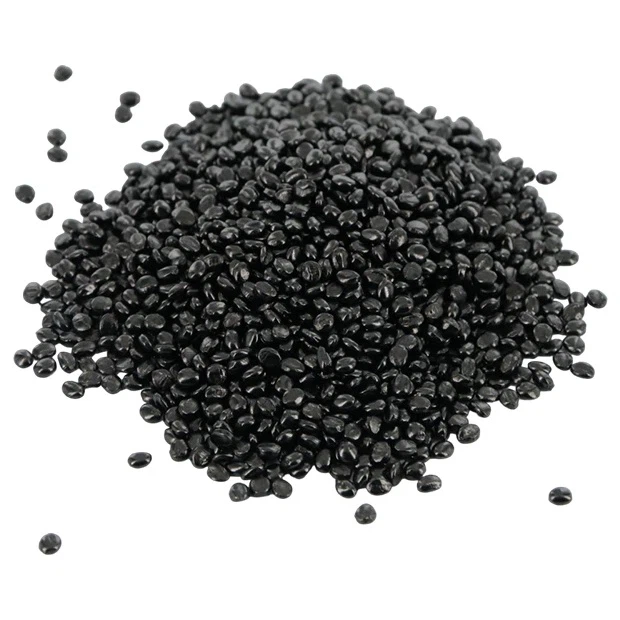
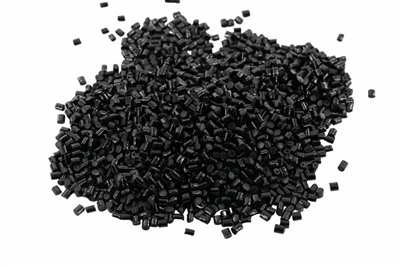

Hey there! As a supplier of black masterbatch for garbage bags, I've been getting a lot of questions lately about how to improve the dispersion effect of our product in garbage bags. Well, you're in luck because I'm here to share some tips and tricks that I've picked up over the years.
First things first, let's talk about why dispersion is so important. When black masterbatch is evenly dispersed in the garbage bag material, it ensures consistent color throughout the bag. This not only makes the bags look better but also helps with their overall quality and performance. Uneven dispersion can lead to color streaks, spots, or even weak spots in the bag, which can cause it to tear or break more easily.
Understanding the Basics of Dispersion
Before we dive into the tips, it's important to understand a bit about how dispersion works. Black masterbatch is made up of carbon black pigment and a carrier resin. The goal is to get the carbon black particles to spread out evenly in the carrier resin and then in the final garbage bag material. This process can be affected by several factors, including the quality of the masterbatch, the processing conditions, and the type of garbage bag material.
Choosing the Right Black Masterbatch
The quality of the black masterbatch you choose is crucial for good dispersion. Look for a masterbatch that is specifically designed for garbage bags. Our Black Masterbatch for Foaming is a great option as it's formulated to provide excellent dispersion in a variety of plastic materials used for garbage bags. It also has high pigment loading, which means you can use less masterbatch to achieve the desired color, saving you money in the long run.
Another option is our Black Masterbatch for Agriculture Film. While it's designed for agricultural films, it also works well in garbage bags. It has a fine particle size, which helps with dispersion, and it's compatible with different types of polymers.
If you're using PP (polypropylene) for your garbage bags, our Black Masterbatch for PP Tableware is a perfect fit. It's engineered to disperse evenly in PP materials, giving your garbage bags a uniform black color.
Processing Conditions
The processing conditions during the production of the garbage bags can have a big impact on the dispersion of the black masterbatch. Here are some key factors to consider:
Temperature
The temperature at which you melt and mix the masterbatch with the garbage bag material is important. If the temperature is too low, the masterbatch may not melt properly, leading to poor dispersion. On the other hand, if the temperature is too high, it can cause the carbon black particles to agglomerate, also resulting in uneven dispersion. Make sure to follow the recommended temperature range provided by the masterbatch manufacturer.
Mixing Time and Speed
The longer and more thoroughly you mix the masterbatch with the garbage bag material, the better the dispersion will be. However, you don't want to over - mix as it can cause the material to degrade. Use a high - speed mixer to ensure good mixing, but keep an eye on the time. A general rule of thumb is to mix for at least 5 - 10 minutes, depending on the size of the batch and the type of mixer.


Shear Force
Shear force is the force that helps to break up the agglomerates of carbon black particles and distribute them evenly. You can increase the shear force during the mixing process by using a mixer with a high - shear design. This can be achieved through the use of special mixing blades or screws in the extruder.
Material Compatibility
The type of garbage bag material you're using also affects the dispersion of the black masterbatch. Different polymers have different melting points, viscosities, and chemical properties, which can impact how well the masterbatch disperses.
For example, LDPE (low - density polyethylene) and HDPE (high - density polyethylene) are commonly used for garbage bags. They have different characteristics, so you may need to adjust the processing conditions accordingly. If you're using a blend of different polymers, make sure the masterbatch is compatible with all of them.
Pre - Treatment of the Masterbatch
Sometimes, pre - treating the black masterbatch can improve its dispersion. One method is to dry the masterbatch before use. Moisture in the masterbatch can cause problems during processing, such as poor dispersion and bubbling in the final product. You can dry the masterbatch in an oven at a low temperature for a few hours before adding it to the garbage bag material.
Another pre - treatment option is to use a dispersing agent. A dispersing agent can help to reduce the surface tension between the carbon black particles and the carrier resin, making it easier for the particles to spread out. However, make sure to choose a dispersing agent that is compatible with the masterbatch and the garbage bag material.
Quality Control
Finally, implementing a quality control system is essential to ensure consistent dispersion of the black masterbatch in your garbage bags. Regularly test the color and appearance of the garbage bags to check for any signs of uneven dispersion. You can use colorimeters to measure the color accuracy and visual inspection to look for streaks or spots.
If you notice any issues, go back and review the processing conditions, the quality of the masterbatch, and the material compatibility. Make adjustments as needed to improve the dispersion.
Conclusion
Improving the dispersion effect of black masterbatch in garbage bags is a combination of choosing the right masterbatch, optimizing the processing conditions, ensuring material compatibility, and implementing quality control measures. By following these tips, you can produce high - quality garbage bags with a uniform black color and excellent performance.
If you're interested in learning more about our black masterbatch products or have any questions about improving dispersion, don't hesitate to reach out. We're here to help you get the best results for your garbage bag production. Whether you're a small - scale manufacturer or a large - scale producer, we can provide you with the right solutions to meet your needs. Contact us today to start a conversation about your black masterbatch requirements.
References
- Plastics Additives Handbook, 6th Edition by Hans Zweifel
- Dispersion of Pigments in Polymers by J. A. Manson and L. H. Sperling