

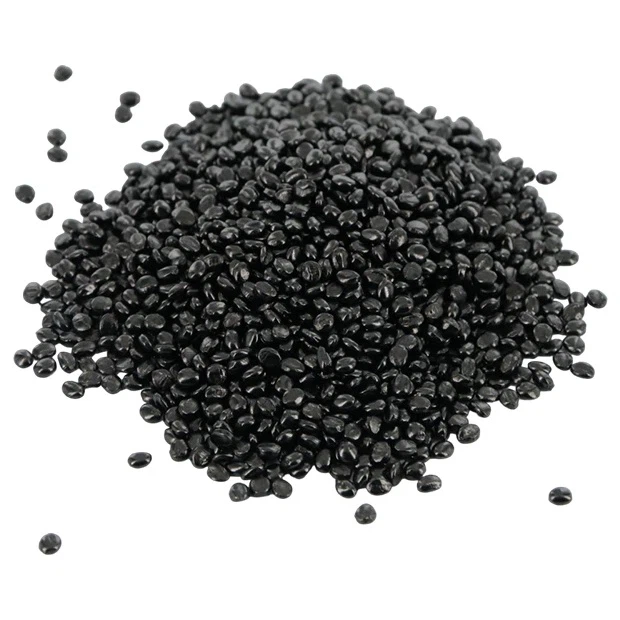
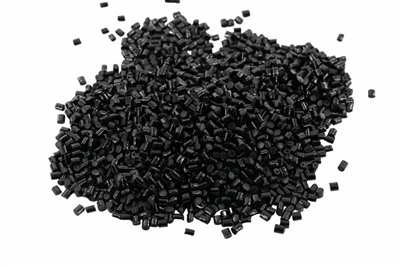

As a supplier of black masterbatch for garbage bags, I understand the significance of proper storage in maintaining the quality and performance of our products. Black masterbatch is a crucial additive that imparts color and other desirable properties to garbage bags. Incorrect storage can lead to degradation, clumping, and a loss of functionality, which can ultimately affect the end - product quality. In this blog, I'll share some essential tips on how to store black masterbatch for garbage bags properly.
1. Storage Environment: Temperature and Humidity
One of the most critical factors in storing black masterbatch is controlling the temperature and humidity of the storage area. Black masterbatch is sensitive to extreme temperatures and high humidity levels.
Temperature
- Ideal Temperature Range: The ideal temperature for storing black masterbatch is between 20°C and 30°C (68°F - 86°F). At temperatures below this range, the masterbatch may become brittle, which can lead to breakage during handling and subsequent uneven dispersion in the garbage bag manufacturing process. On the other hand, if the temperature is too high, above 30°C, the masterbatch may start to degrade. The heat can cause the pigments and additives in the masterbatch to break down, resulting in a loss of color intensity and reduced UV - resistance in the final garbage bags.
- Avoiding Temperature Fluctuations: It's equally important to avoid sudden temperature changes. For example, moving the masterbatch from a cold storage area to a warm production environment can cause condensation to form on the masterbatch pellets. This moisture can lead to clumping and affect the flowability of the masterbatch, making it difficult to feed into the processing equipment.
Humidity
- Low Humidity Requirements: Black masterbatch should be stored in a low - humidity environment. A relative humidity (RH) of less than 60% is recommended. High humidity can cause the masterbatch pellets to absorb moisture. When moisture is absorbed, the masterbatch can clump together, making it challenging to handle and process. Moreover, the moisture can react with the additives in the masterbatch, leading to chemical changes that can degrade its quality.
- Use of Dehumidifiers: In areas with high ambient humidity, it may be necessary to use dehumidifiers in the storage facility. Dehumidifiers can help maintain the desired humidity level and prevent moisture - related issues with the masterbatch.
2. Storage Containers
The choice of storage containers also plays a vital role in proper storage.
Sealed Containers
- Preventing Contamination: Black masterbatch should be stored in sealed containers to prevent contamination. Contamination can occur from dust, dirt, and other foreign particles in the storage environment. These contaminants can affect the quality of the masterbatch and, consequently, the appearance and performance of the garbage bags. Sealed containers also help to keep out moisture and air, which can cause oxidation and degradation of the masterbatch over time.
- Types of Containers: Common storage containers for black masterbatch include plastic drums, sealed bags, and metal containers. Plastic drums are a popular choice as they are lightweight, durable, and can be easily sealed. Sealed bags are also convenient, especially for smaller quantities of masterbatch. Metal containers offer excellent protection against physical damage but may be more expensive.
Labeling
- Identifying the Product: All storage containers should be clearly labeled with the product name, batch number, and manufacturing date. This information is essential for inventory management and quality control. By knowing the manufacturing date, you can ensure that the oldest masterbatch is used first, following the first - in - first - out (FIFO) principle. This helps to prevent the use of expired or degraded masterbatch in the production process.
3. Storage Location
The location where the black masterbatch is stored within the facility also matters.


Away from Direct Sunlight
- UV - Protection: Black masterbatch should be stored away from direct sunlight. Sunlight contains ultraviolet (UV) rays that can cause the masterbatch to fade and degrade. UV exposure can break down the pigments in the masterbatch, resulting in a loss of color and reduced aesthetic appeal of the garbage bags. Therefore, the storage area should be in a shaded or indoor location.
Elevated Storage
- Preventing Water Damage: It's advisable to store the masterbatch on elevated pallets or shelves. This helps to prevent water damage in case of flooding or spills on the floor. Water can quickly damage the masterbatch, causing clumping and degradation. Elevated storage also improves air circulation around the containers, which can help maintain a consistent temperature and humidity level.
4. Inventory Management
Proper inventory management is an integral part of storing black masterbatch.
First - In - First - Out (FIFO)
- Using the Oldest Stock First: The FIFO principle ensures that the oldest masterbatch is used first. This helps to prevent the masterbatch from sitting in storage for too long, which can lead to degradation. By following FIFO, you can minimize the risk of using expired or degraded masterbatch in the production of garbage bags.
- Inventory Rotation: Regular inventory rotation is necessary to implement the FIFO principle effectively. This involves physically moving the older masterbatch to the front of the storage area so that it is easily accessible for use.
Regular Inspections
- Checking for Quality: Regular inspections of the stored masterbatch are essential. Inspect the masterbatch for signs of clumping, discoloration, or any other visible defects. If any issues are detected, the affected masterbatch should be segregated and inspected further to determine if it is still suitable for use.
5. Compatibility with Other Materials
When storing black masterbatch, it's important to consider its compatibility with other materials in the storage area.
Separate Storage
- Avoiding Cross - Contamination: Black masterbatch should be stored separately from other types of masterbatch or raw materials. Different masterbatches may have different compositions and additives, and cross - contamination between them can affect the quality of both products. For example, if black masterbatch comes into contact with a white masterbatch, it can contaminate the white masterbatch and vice versa.
- No Mixing with Chemicals: It should also be kept away from chemicals that may react with it. Some chemicals can cause chemical changes in the masterbatch, leading to degradation and loss of functionality.
Additional Applications of Black Masterbatch
Black masterbatch has various other applications apart from garbage bags. For instance, you can explore Black Masterbatch for Wire and Cable, which is designed to provide excellent color and UV - protection for wire and cable insulation. Black Masterbatch for Shopping Bag is another option, offering a cost - effective way to color shopping bags. And Black Masterbatch for Sheet is used in the production of plastic sheets, providing them with a uniform black color.
Conclusion
Proper storage of black masterbatch for garbage bags is essential to maintain its quality and performance. By controlling the temperature and humidity, using appropriate storage containers, choosing the right storage location, and implementing proper inventory management, you can ensure that the masterbatch remains in optimal condition until it is used in the manufacturing process. This, in turn, will lead to high - quality garbage bags that meet the expectations of your customers.
If you are in the market for high - quality black masterbatch for garbage bags or any of our other masterbatch products, we are here to assist you. We have a wide range of products that are manufactured to the highest standards. Contact us to start a procurement discussion and find the best solution for your needs.
References
- “Plastic Masterbatch: Technology and Applications” by Ajay K. Bhowmick and H. E. Naguib
- Industry standards and guidelines on masterbatch storage from relevant plastic manufacturing associations.