


As a supplier of black masterbatch for pipe, ensuring the quality of our products is of utmost importance. In this blog post, I will share some effective methods on how to test the quality of black masterbatch for pipe.
1. Visual Inspection
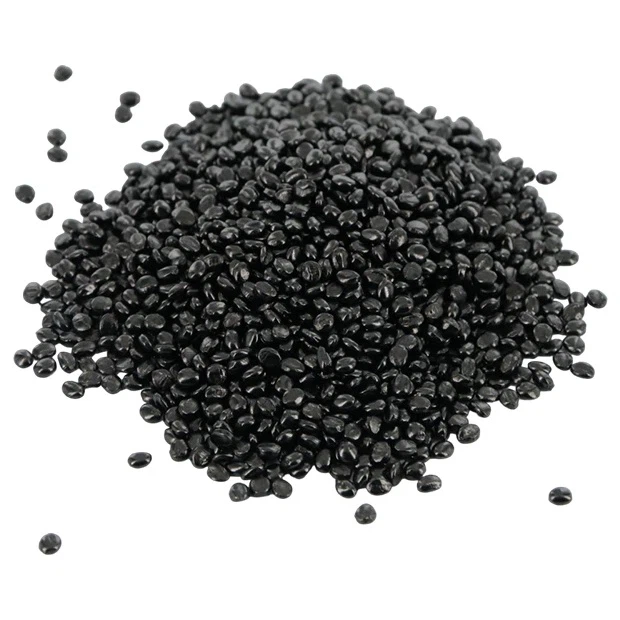
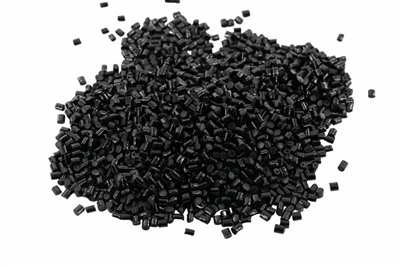
The first step in testing black masterbatch for pipe is a simple yet crucial visual inspection. Take a small sample of the masterbatch and observe it carefully. The masterbatch should have a uniform color, typically a deep, consistent black. Any signs of color variation, such as streaks, spots, or a dull appearance, could indicate problems in the manufacturing process or poor quality raw materials.
Check for the presence of foreign particles. These can be small pieces of debris, unmelted resin, or other contaminants. Foreign particles can weaken the pipe's structure and cause defects during the pipe - making process. A high - quality black masterbatch should be free of such visible impurities.
2. Dispersion Test
One of the key performance indicators of black masterbatch for pipe is its dispersion ability. Good dispersion ensures that the carbon black (the main coloring agent in black masterbatch) is evenly distributed throughout the polymer matrix, resulting in a pipe with consistent color and properties.
There are several ways to conduct a dispersion test. One common method is the two - roll mill test. Place a small amount of the masterbatch on a two - roll mill and mix it with a suitable base polymer for a specific period. Then, take a thin film sample from the mixed material. Examine the film under a microscope. If the carbon black particles are well - dispersed, they will appear as small, evenly distributed dots. Agglomerates or large clusters of carbon black indicate poor dispersion, which can lead to issues such as color variation and reduced mechanical properties in the final pipe.
Another approach is the injection molding test. Use an injection molding machine to produce test specimens with the masterbatch and base polymer. Cut the specimens and observe the cross - section. A well - dispersed masterbatch will show a homogeneous appearance without visible carbon black agglomerates.
3. Color Fastness Test
Color fastness is an important quality parameter for black masterbatch used in pipes. Pipes are often exposed to various environmental factors such as sunlight, heat, and chemicals during their service life. A high - quality black masterbatch should maintain its color over time without significant fading or discoloration.
The xenon arc lamp test is a widely used method to evaluate color fastness to sunlight. Place test specimens made with the masterbatch in a xenon arc weathering chamber, which simulates natural sunlight and weather conditions. Expose the specimens for a specified period, usually several hundred hours. After the exposure, compare the color of the specimens before and after the test using a colorimeter. The color difference (ΔE) should be within an acceptable range. A smaller ΔE value indicates better color fastness.
For testing color fastness to heat, place the test specimens in an oven at a specific temperature (e.g., 80 - 100°C) for a certain period. Then, check for any color changes. Similarly, for chemical resistance testing, immerse the specimens in relevant chemicals (such as acids, alkalis, or solvents) for a set time and observe the color and appearance of the specimens.
4. Mechanical Property Testing
The addition of black masterbatch should not significantly affect the mechanical properties of the pipe. In fact, in some cases, it can even enhance certain properties. Therefore, it is necessary to test the mechanical properties of pipes made with the masterbatch.
Tensile Strength and Elongation at Break
Tensile testing is used to measure the maximum stress a pipe can withstand before breaking and the elongation at which it breaks. Prepare test specimens according to relevant standards (e.g., ISO or ASTM). Use a universal testing machine to apply a gradually increasing tensile force to the specimens until they break. Record the maximum load and the elongation at break. Compare the results with the requirements of the pipe application. A high - quality masterbatch should not cause a significant decrease in the tensile strength and elongation at break of the pipe.
Impact Resistance
Impact resistance is crucial for pipes, especially those used in underground or high - traffic areas. The Charpy or Izod impact test can be used to evaluate the impact resistance of the test specimens. In these tests, a pendulum is used to strike the specimen, and the energy absorbed during the impact is measured. A well - formulated black masterbatch should not compromise the impact resistance of the pipe.
5. Thermal Stability Test
Pipes are often processed at high temperatures during the manufacturing process, and they may also be exposed to elevated temperatures during their service life. Therefore, the thermal stability of the black masterbatch is an important consideration.
The thermogravimetric analysis (TGA) is a useful tool for thermal stability testing. Place a small sample of the masterbatch in a TGA instrument and heat it at a controlled rate under an inert atmosphere. The instrument measures the weight loss of the sample as a function of temperature. A high - quality masterbatch should have a high onset decomposition temperature and a low rate of weight loss at the processing and service temperatures.
Another way is the differential scanning calorimetry (DSC) test. DSC measures the heat flow associated with physical and chemical changes in the sample as a function of temperature. It can provide information about the melting point, crystallization behavior, and thermal transitions of the masterbatch. Understanding these thermal properties helps ensure that the masterbatch behaves properly during the pipe - making process and in the final application.
6. Compatibility Test
The black masterbatch must be compatible with the base polymer used in the pipe manufacturing. Incompatibility can lead to issues such as delamination, poor adhesion, and reduced mechanical properties.
One way to test compatibility is the blend miscibility test. Mix the masterbatch with the base polymer in different ratios and observe the mixture's behavior during processing. If the materials are compatible, they will form a homogeneous blend without phase separation or other signs of incompatibility.
Another approach is to examine the interface between the masterbatch and the base polymer in the final pipe. Use techniques such as scanning electron microscopy (SEM) to observe the cross - section of the pipe. A compatible masterbatch will show a smooth interface with good adhesion to the base polymer.


7. Ash Content Test
The ash content of black masterbatch is an important quality parameter. Ash is mainly composed of inorganic residues such as metal oxides and other impurities in the masterbatch. A high ash content can affect the mechanical properties and processing performance of the pipe.
To measure the ash content, take a known mass of the masterbatch sample and place it in a crucible. Heat the crucible in a muffle furnace at a high temperature (usually around 550 - 600°C) for a specific period until all the organic matter is burned off. Weigh the remaining ash and calculate the ash content as a percentage of the original sample mass. A low ash content is generally preferred for high - quality black masterbatch.
Conclusion
Testing the quality of black masterbatch for pipe is a comprehensive process that involves multiple aspects. By conducting these tests, we can ensure that our Black Masterbatch for Pipe meets the high standards required for pipe manufacturing. Our company also offers other types of black masterbatch, such as Black Masterbatch for Shopping Bag and Black Masterbatch for Granulation.
If you are interested in our black masterbatch products and would like to discuss your specific requirements or place an order, please feel free to contact us. We are committed to providing you with high - quality products and excellent service.
References
- ASTM International Standards for Plastics Testing
- ISO Standards for Polymer Materials and Pipe Testing
- Technical literature from leading polymer and masterbatch manufacturers