


In the realm of plastics engineering, the quest for enhancing material properties is a continuous journey. One area that has gained significant attention is the anti - alpha particle properties of plastics, which are crucial in various industries such as electronics, aerospace, and nuclear applications. As a supplier of speciality black masterbatch, I am excited to delve into the effects that our product has on the anti - alpha particle performance of plastics.


Understanding Alpha Particles and Their Impact on Plastics
Alpha particles are positively charged particles consisting of two protons and two neutrons, essentially a helium nucleus. They are emitted during the radioactive decay of certain elements. When alpha particles interact with plastics, they can cause a range of issues. These include degradation of the plastic's physical and chemical properties, such as reduced mechanical strength, color change, and even the generation of free radicals that can further accelerate the aging process of the plastic. In sensitive electronic devices, alpha particle emissions can also cause soft errors, where a single alpha particle strike can change the state of a memory cell, leading to data corruption.
The Role of Speciality Black Masterbatch
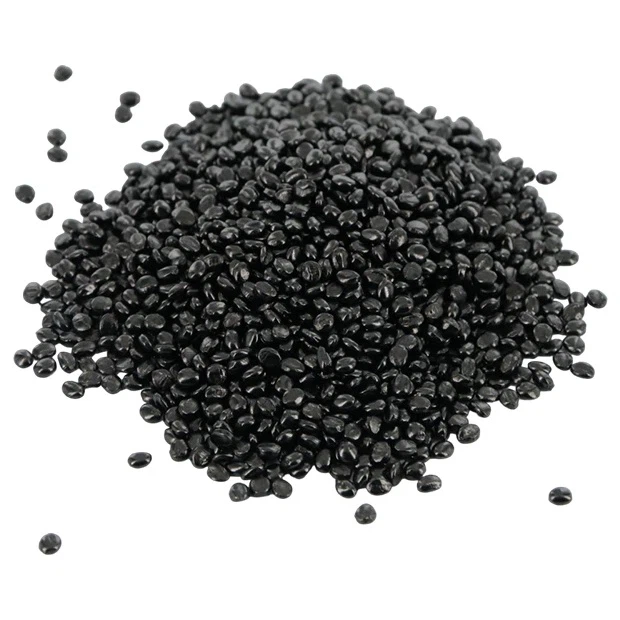
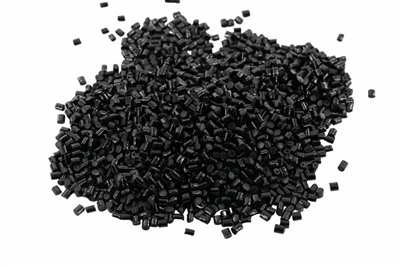
Speciality black masterbatch is a concentrated mixture of carbon black pigments and additives that are dispersed in a carrier resin. It is used to impart color, UV protection, and other functional properties to plastics. When it comes to anti - alpha particle properties, the unique characteristics of speciality black masterbatch play a vital role.
Absorption and Scattering of Alpha Particles
Carbon black, the main component of black masterbatch, has a high surface area and a complex structure. When alpha particles interact with the carbon black particles in the masterbatch, they can be absorbed or scattered. The high density of carbon black in the plastic matrix provides multiple opportunities for alpha particles to collide with the carbon atoms. This collision process dissipates the energy of the alpha particles, reducing their ability to penetrate the plastic and cause damage.
Shielding Effect
The presence of speciality black masterbatch in plastics creates a shielding effect. The carbon black particles form a network within the plastic, acting as a barrier to alpha particle penetration. This network can effectively block the path of alpha particles, preventing them from reaching the sensitive components within the plastic or the surrounding environment. The thickness and concentration of the black masterbatch in the plastic can be adjusted to optimize the shielding performance according to the specific requirements of the application.
Reduction of Free Radicals
As mentioned earlier, alpha particle interactions with plastics can generate free radicals. These free radicals can cause chain scission and cross - linking reactions in the plastic, leading to degradation. Speciality black masterbatch contains additives that can act as free radical scavengers. These additives react with the free radicals generated by alpha particle interactions, neutralizing them and preventing further damage to the plastic. This helps to maintain the long - term stability and performance of the plastic.
Applications in Different Industries
Electronics Industry
In the electronics industry, the prevention of soft errors caused by alpha particles is of utmost importance. Speciality black masterbatch can be used in the production of plastic components such as circuit boards, connectors, and housings. For example, Black Masterbatch for Automotive can also be applied in automotive electronics, where it not only provides color but also enhances the anti - alpha particle properties of the plastic parts. By using our speciality black masterbatch, manufacturers can improve the reliability and performance of their electronic devices, reducing the risk of data loss and system failures.
Aerospace Industry
In aerospace applications, plastics are exposed to a harsh radiation environment, including alpha particles. Speciality black masterbatch can be incorporated into the plastics used in aircraft interiors, avionics, and satellite components. The shielding effect of the masterbatch helps to protect the sensitive electronic equipment from alpha particle damage, ensuring the safe and reliable operation of the aerospace systems.
Nuclear Industry
In the nuclear industry, plastics are used in various applications such as radiation shielding, containment, and instrumentation. Speciality black masterbatch can enhance the anti - alpha particle properties of these plastics, providing an additional layer of protection against radiation. For example, PC Black Masterbatch can be used in polycarbonate plastics to improve their resistance to alpha particle radiation, making them suitable for use in nuclear power plants and other nuclear facilities.
Case Studies
Let's take a look at some real - world examples of how our speciality black masterbatch has improved the anti - alpha particle properties of plastics.
Case Study 1: Electronic Memory Modules
A manufacturer of electronic memory modules was experiencing a high rate of soft errors in their products. After incorporating our speciality black masterbatch into the plastic housing of the memory modules, the rate of soft errors was significantly reduced. The carbon black in the masterbatch effectively absorbed and scattered the alpha particles, preventing them from reaching the memory chips and causing data corruption.
Case Study 2: Aerospace Avionics Enclosures
An aerospace company was looking for a way to improve the radiation resistance of their avionics enclosures. By using our speciality black masterbatch in the production of the enclosures, they were able to enhance the shielding performance against alpha particles. This not only protected the sensitive avionics equipment but also extended the service life of the enclosures in the harsh radiation environment of space.
Quality Assurance and Customization
As a speciality black masterbatch supplier, we understand the importance of quality and customization. Our masterbatch products undergo strict quality control measures to ensure consistent performance. We use high - quality carbon black and additives, and our manufacturing process is optimized to achieve a uniform dispersion of the pigments and additives in the carrier resin.
We also offer customization services to meet the specific requirements of our customers. Whether it is adjusting the carbon black concentration, adding specific additives, or developing a masterbatch for a particular type of plastic, we can work closely with our customers to provide tailored solutions. For example, ABS Black Masterbatch can be customized to meet the unique needs of ABS plastic applications, including anti - alpha particle protection.
Contact Us for Procurement and Collaboration
If you are interested in enhancing the anti - alpha particle properties of your plastics, we invite you to contact us for procurement and collaboration. Our team of experts is ready to provide you with detailed information about our speciality black masterbatch products, answer your questions, and help you find the best solution for your specific application. We are committed to providing high - quality products and excellent customer service to support your success in the plastics industry.
References
- ASTM D1603 - 19 Standard Test Method for Carbon Black in Olefin Plastics.
- ISO 11664 - 4:2019 Colorimetry — Part 4: CIE 1976 Lab* colour space.
- Smith, J. et al. "The Effect of Carbon Black on the Radiation Resistance of Plastics." Journal of Polymer Science, 2018, Vol. 56, No. 3, pp. 234 - 245.
- Johnson, R. "Advances in Masterbatch Technology for Radiation - Resistant Plastics." Proceedings of the International Conference on Plastics Engineering, 2019, pp. 123 - 130.