

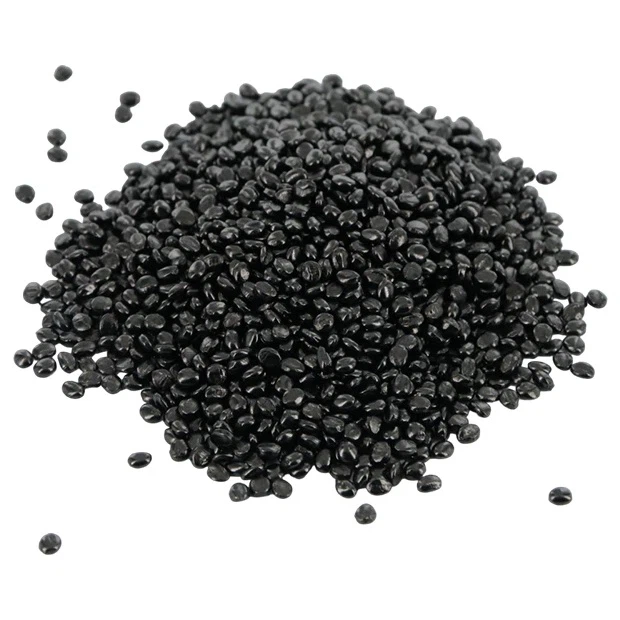
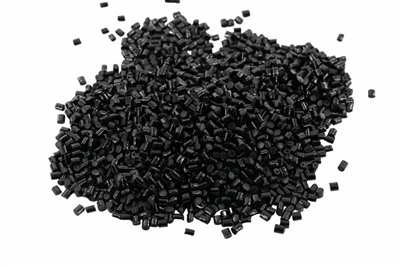

As a dedicated supplier of black masterbatch for mulch film, I often receive inquiries about the raw materials that go into producing this essential product. In this blog post, I'll delve into the key raw materials used in black masterbatch for mulch film, their functions, and why they are crucial for the performance of the final product.
Carbon Black
Carbon black is the primary pigment used in black masterbatch for mulch film. It is a fine powder composed of elemental carbon, produced by the incomplete combustion or thermal decomposition of hydrocarbons. Carbon black provides the characteristic black color to the masterbatch and offers several important properties:
- UV Protection: One of the most critical functions of carbon black in mulch film is its ability to absorb and scatter ultraviolet (UV) radiation. UV rays can cause degradation of the polymer matrix in the mulch film, leading to embrittlement, loss of mechanical properties, and reduced lifespan. Carbon black acts as a UV stabilizer, protecting the film from the harmful effects of sunlight and extending its durability.
- Opacity: Carbon black imparts high opacity to the mulch film, preventing sunlight from penetrating through the film and reaching the soil below. This helps to suppress weed growth by blocking photosynthesis in the weeds, reducing the need for herbicides and manual weeding.
- Conductivity: In some applications, carbon black can also provide electrical conductivity to the mulch film. This property can be useful for applications such as electrostatic discharge protection or in agricultural settings where electrical conductivity may be required for certain sensors or irrigation systems.
There are different types of carbon black available, each with its own unique properties and characteristics. The choice of carbon black depends on factors such as the desired color intensity, UV protection level, and the specific requirements of the mulch film application.
Carrier Resin
The carrier resin is the base polymer that holds the carbon black and other additives together in the masterbatch. It plays a crucial role in determining the compatibility of the masterbatch with the host polymer used in the mulch film production. The carrier resin should have good melt flow properties, excellent dispersion characteristics, and compatibility with the polymer matrix of the mulch film.
Commonly used carrier resins for black masterbatch in mulch film include polyethylene (PE), polypropylene (PP), and ethylene-vinyl acetate (EVA). These resins are widely used in the plastics industry due to their excellent mechanical properties, chemical resistance, and processability.
- Polyethylene (PE): PE is one of the most widely used carrier resins for black masterbatch in mulch film. It is available in different densities, such as low-density polyethylene (LDPE), linear low-density polyethylene (LLDPE), and high-density polyethylene (HDPE). PE offers good flexibility, toughness, and chemical resistance, making it suitable for a variety of mulch film applications.
- Polypropylene (PP): PP is another popular carrier resin for black masterbatch. It has a higher melting point and stiffness compared to PE, making it suitable for applications where higher heat resistance and dimensional stability are required. PP is commonly used in the production of mulch films for high-temperature environments or for applications where the film needs to maintain its shape and integrity under stress.
- Ethylene-Vinyl Acetate (EVA): EVA is a copolymer of ethylene and vinyl acetate. It offers excellent flexibility, transparency, and adhesion properties, making it suitable for applications where a soft and flexible mulch film is required. EVA is often used in combination with other carrier resins to improve the overall performance of the masterbatch.
Additives
In addition to carbon black and the carrier resin, black masterbatch for mulch film may also contain various additives to enhance its performance and functionality. These additives can include dispersants, antioxidants, lubricants, and processing aids.
- Dispersants: Dispersants are used to improve the dispersion of carbon black in the carrier resin. They help to break down the agglomerates of carbon black particles and ensure a uniform distribution of the pigment throughout the masterbatch. This results in a more consistent color and improved mechanical properties of the mulch film.
- Antioxidants: Antioxidants are added to the masterbatch to prevent the oxidation of the polymer matrix during processing and use. Oxidation can cause the polymer to degrade, leading to a loss of mechanical properties, discoloration, and reduced lifespan of the mulch film. Antioxidants help to extend the shelf life of the masterbatch and improve the long-term performance of the mulch film.
- Lubricants: Lubricants are used to reduce the friction between the polymer molecules during processing, making it easier to extrude the masterbatch into the mulch film. They also help to improve the surface finish of the film and prevent sticking to the processing equipment.
- Processing Aids: Processing aids are additives that are used to improve the processability of the masterbatch. They can help to reduce the melt viscosity of the polymer, improve the flow properties, and prevent the formation of defects such as bubbles or streaks in the mulch film.
Quality Control and Testing
As a supplier of black masterbatch for mulch film, quality control is of utmost importance. We ensure that our masterbatch meets the highest standards of quality and performance through a rigorous testing and quality control process.
- Raw Material Testing: We carefully select and test all the raw materials used in our masterbatch production to ensure their quality and purity. Carbon black is tested for its particle size, surface area, and color intensity, while the carrier resin and additives are tested for their physical and chemical properties.
- Production Process Control: Our production process is closely monitored to ensure that the masterbatch is produced under controlled conditions. We use state-of-the-art equipment and technology to ensure consistent quality and performance of our products.
- Final Product Testing: Before the masterbatch is shipped to our customers, it undergoes a series of final product tests to ensure that it meets the specified requirements. These tests include color measurement, UV protection testing, mechanical property testing, and dispersion analysis.
Applications and Benefits
Black masterbatch for mulch film has a wide range of applications in the agricultural industry. It is used in the production of mulch films for various crops, including vegetables, fruits, and grains. The use of black mulch film offers several benefits:


- Weed Suppression: As mentioned earlier, the high opacity of black mulch film helps to suppress weed growth by blocking sunlight from reaching the soil. This reduces the competition for nutrients and water between the crops and the weeds, resulting in higher yields and better-quality produce.
- Soil Temperature Regulation: Black mulch film absorbs sunlight and converts it into heat, which helps to warm the soil during the early growing season. This can accelerate the germination of seeds and promote early growth of the crops. In addition, the mulch film also helps to maintain a more consistent soil temperature, protecting the roots of the plants from extreme temperature fluctuations.
- Moisture Conservation: The mulch film acts as a barrier, preventing water from evaporating from the soil surface. This helps to conserve moisture in the soil, reducing the need for frequent irrigation and saving water resources.
- Improved Crop Quality: By providing a stable growing environment, black mulch film can help to improve the quality of the crops. It can reduce the incidence of diseases and pests, improve the color and flavor of the produce, and increase the overall marketability of the crops.
Related Products
In addition to black masterbatch for mulch film, we also offer a range of other black masterbatch products for different applications. These include Black Masterbatch for PP Tableware, Black Masterbatch for Drain Pipe, and Engineering Compounding Black Masterbatch. These products are designed to meet the specific requirements of different industries and applications, providing high-quality color and performance.
Contact Us for Procurement
If you are interested in purchasing black masterbatch for mulch film or any of our other products, we would be happy to hear from you. Our team of experts can provide you with detailed information about our products, including their specifications, pricing, and delivery options. We are committed to providing our customers with the highest level of service and support, and we look forward to working with you to meet your specific needs.
References
- "Plastics Additives Handbook" by Hans Zweifel
- "Carbon Black: Properties, Production, and Applications" by John B. Donnet
- "Polymer Processing: Principles and Practice" by Zoran Tadmor and Costas G. Gogos