

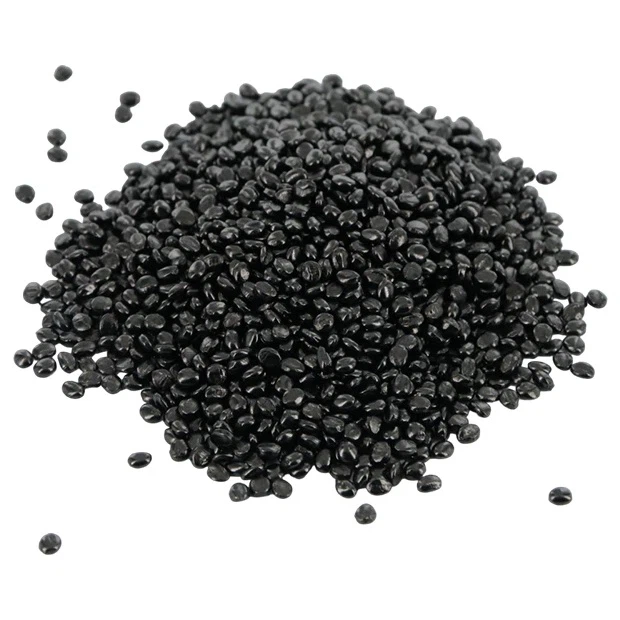
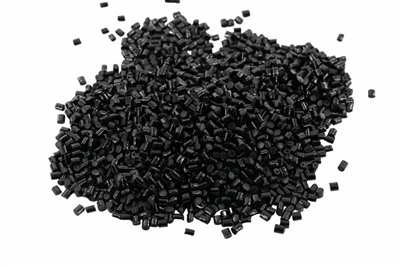

When it comes to the manufacturing of various plastic products through extrusion processes, black masterbatch plays a pivotal role. As a leading supplier of black masterbatch for extrusion, I have witnessed firsthand the importance of understanding its oil resistance properties. In this blog, I will delve into the intricacies of the oil resistance of black masterbatch for extrusion, exploring what factors influence it, its significance in different applications, and how we ensure high - quality oil - resistant black masterbatch for our customers.
Factors Affecting the Oil Resistance of Black Masterbatch for Extrusion
Pigment and Carrier Resin
The choice of pigment and carrier resin in black masterbatch is a fundamental factor influencing its oil resistance. Carbon black, which is the most common pigment in black masterbatch, has inherent chemical stability. However, the carrier resin that encapsulates the carbon black particles can vary widely in its oil - resistant characteristics. For example, polypropylene (PP) and polyethylene (PE) are two commonly used carrier resins. PE generally has better oil resistance than PP in some cases, especially when dealing with non - polar oils. The molecular structure of the carrier resin determines how it interacts with oil molecules. A more tightly packed and non - porous molecular structure can act as a better barrier against oil penetration.
Additives
Additives are often incorporated into black masterbatch to enhance its performance, including oil resistance. Anti - oxidants and stabilizers can prevent the degradation of the masterbatch when exposed to oil, which may contain various reactive substances. These additives can react with free radicals or other reactive species in the oil, protecting the carrier resin and pigment from chemical attack. Additionally, some special additives can modify the surface properties of the masterbatch, making it less likely for oil to adhere to it. For instance, fluorine - based additives can create a low - surface - energy surface, which repels oil droplets.
Manufacturing Process
The manufacturing process of black masterbatch also has a significant impact on its oil resistance. During the extrusion of the masterbatch, factors such as temperature, shear rate, and mixing time can affect the dispersion of the pigment and additives in the carrier resin. A well - dispersed masterbatch will have a more uniform structure, which is crucial for maintaining consistent oil resistance. If the pigment is not evenly distributed, there may be weak points in the masterbatch where oil can penetrate more easily. Moreover, the cooling rate after extrusion can influence the crystallization of the carrier resin. A proper cooling rate can result in a more ordered crystalline structure, which can improve the oil - blocking ability of the masterbatch.
Significance of Oil Resistance in Different Applications
Automotive Industry
In the automotive industry, black masterbatch for extrusion is widely used in the production of various components such as interior trims, cable insulation, and under - the - hood parts. These parts are often exposed to different types of oils, including engine oil, transmission oil, and lubricating oil. Good oil resistance is essential to ensure the long - term performance and durability of these components. For example, if the black masterbatch used in cable insulation does not have sufficient oil resistance, the oil can penetrate the insulation layer, leading to electrical short - circuits or signal interference. This can compromise the safety and functionality of the vehicle's electrical system.
Packaging Industry
In the packaging industry, black masterbatch is used for manufacturing plastic films and containers. When packaging oily products such as food with high - fat content or industrial lubricants, the oil resistance of the black masterbatch is crucial. If the masterbatch in the packaging material is not oil - resistant, the oil can seep through the packaging, causing contamination of the surrounding environment and potentially reducing the shelf - life of the product. For instance, in the case of food packaging, oil leakage can lead to the growth of mold and bacteria, posing a health risk to consumers.
Textile Industry
In the textile industry, black masterbatch for filament extrusion is used to produce colored fibers. These fibers may come into contact with various oils during the manufacturing process, such as spinning oils and finishing oils. Good oil resistance of the black masterbatch ensures that the color of the fibers remains stable and that the mechanical properties of the fibers are not affected by oil absorption. Black Masterbatch for Filament can be used to create high - quality, oil - resistant fibers for applications such as outdoor clothing and industrial textiles.
Ensuring High - Quality Oil - Resistant Black Masterbatch
As a supplier of black masterbatch for extrusion, we take several measures to ensure the high - quality oil resistance of our products.
Rigorous Raw Material Selection
We carefully select the raw materials, including carbon black, carrier resins, and additives. We source high - purity carbon black with a consistent particle size distribution, which can provide better color strength and dispersion. For carrier resins, we choose those with excellent oil - resistant properties based on the specific application requirements. Our additives are carefully formulated to enhance the oil resistance and other performance characteristics of the masterbatch.


Advanced Manufacturing Technology
We employ advanced extrusion technology to ensure the uniform dispersion of pigment and additives in the carrier resin. Our extrusion equipment is equipped with precise temperature and shear rate control systems, which can optimize the manufacturing process. After extrusion, we use a controlled cooling system to ensure the proper crystallization of the carrier resin, improving its oil - blocking ability.
Quality Control
We have a strict quality control system in place. Every batch of black masterbatch undergoes comprehensive testing, including oil resistance tests. We use standardized test methods to evaluate the oil resistance of our products, such as immersing the masterbatch samples in different types of oils for a specified period and then measuring the changes in weight, color, and mechanical properties. Only products that meet our high - quality standards are released to the market.
Conclusion
The oil resistance properties of black masterbatch for extrusion are influenced by multiple factors, including pigment and carrier resin, additives, and the manufacturing process. These properties are of great significance in various industries such as automotive, packaging, and textile. As a professional supplier, we are committed to providing high - quality oil - resistant black masterbatch through rigorous raw material selection, advanced manufacturing technology, and strict quality control.
If you are looking for high - quality black masterbatch for extrusion with excellent oil resistance, we are here to meet your needs. Whether you need Black Masterbatch for Film Blown or Black Masterbatch For Injection, we can offer you customized solutions. Contact us for more information and let's start a fruitful business cooperation.
References
- "Plastic Additives Handbook" by Hans Zweifel
- "Polymer Science and Technology" by Joel R. Fried