

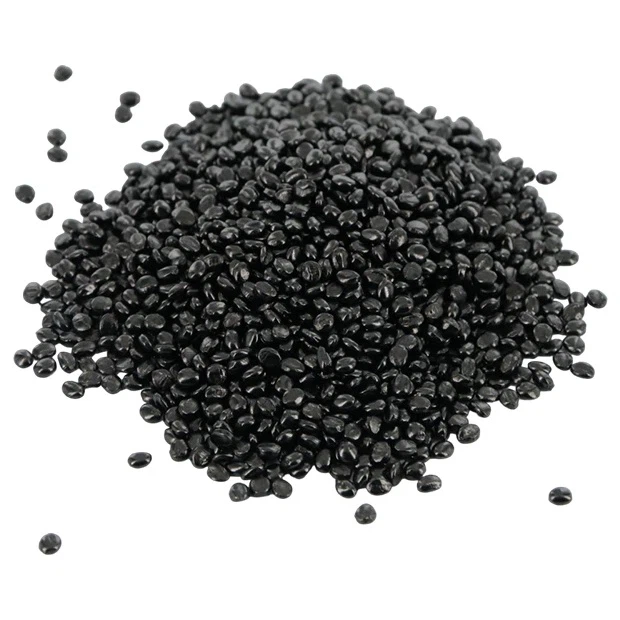
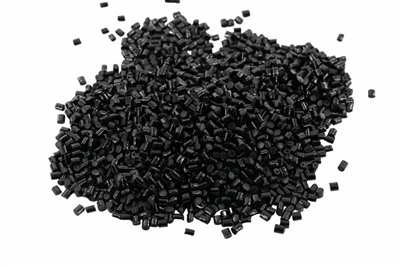

Hey there! As a supplier of PS black masterbatch, I often get asked about the acid and alkali resistance of our product when it's used in PS plastics. So, I thought I'd write this blog to share some insights on this topic.
First off, let's quickly go over what PS black masterbatch is. PS, or polystyrene, is a widely used plastic known for its transparency, stiffness, and good electrical insulation properties. PS black masterbatch is a concentrated mixture of carbon black pigment and a carrier resin (usually PS itself) that's used to color PS plastics black. It's a cost - effective and efficient way to achieve a consistent black color in PS products.
Now, let's dive into the acid and alkali resistance part. When we talk about acid and alkali resistance, we're essentially looking at how well the PS black masterbatch can withstand exposure to acidic or alkaline substances without degrading, losing its color, or affecting the performance of the PS plastic.
Acid Resistance of PS Black Masterbatch in PS Plastics
Acids come in different strengths and types, from weak organic acids like acetic acid (found in vinegar) to strong mineral acids like sulfuric acid. In general, PS black masterbatch in PS plastics has a decent resistance to weak acids.
Weak organic acids usually don't have a significant impact on the PS black masterbatch. The PS matrix acts as a protective barrier, preventing the acid from quickly reaching and reacting with the carbon black in the masterbatch. For example, if you have a PS product colored with our black masterbatch and it comes into contact with a small amount of vinegar, you're likely not going to notice any visible changes in color or physical properties.
However, things get a bit more complicated when it comes to strong acids. Strong mineral acids can be quite corrosive. Sulfuric acid, for instance, can react with the PS plastic over time. It can break down the polymer chains in the PS, which may lead to a change in the physical properties of the plastic, such as reduced strength and increased brittleness. As for the black masterbatch, the carbon black may also be affected. The acid could potentially oxidize the carbon black, causing it to lose some of its color - giving properties. So, in applications where there's a high risk of exposure to strong acids, you need to be extra cautious.
Alkali Resistance of PS Black Masterbatch in PS Plastics
Alkalis, or bases, also vary in strength. Weak alkalis like sodium bicarbonate solutions are generally well - tolerated by PS black masterbatch in PS plastics. The PS matrix provides enough protection to keep the carbon black in the masterbatch stable. You can think of household cleaning products that contain mild alkalis. If a PS product colored with our black masterbatch is used in a normal cleaning environment, it should maintain its color and integrity.
On the other hand, strong alkalis such as sodium hydroxide (lye) can be a problem. Strong alkalis can attack the PS polymer. They can cause hydrolysis of the polymer chains, leading to a loss of mechanical properties. The black masterbatch can also be affected. The alkali may react with the carbon black or the carrier resin in the masterbatch, resulting in color fading or changes in the dispersion of the pigment.
Factors Affecting Acid and Alkali Resistance
Several factors can influence how well the PS black masterbatch in PS plastics resists acids and alkalis.
1. Concentration of the Acid or Alkali
As mentioned earlier, the strength of the acid or alkali matters a lot. A highly concentrated acid or alkali solution is more likely to cause damage compared to a dilute one. Even a relatively resistant material like PS with black masterbatch can be affected if the concentration is high enough.
2. Temperature
Higher temperatures can accelerate chemical reactions. When the temperature is elevated, the acid or alkali may react with the PS plastic and the black masterbatch more quickly. For example, if a PS product colored with our masterbatch is exposed to an acidic solution at room temperature, it may take a long time for any visible changes to occur. But if the same solution is heated, the degradation process can speed up significantly.
3. Exposure Time
The longer the PS product with black masterbatch is exposed to an acid or alkali, the greater the chance of damage. Even a weak acid or alkali can cause some degradation over an extended period of time.
Applications and Considerations
When it comes to applications, understanding the acid and alkali resistance of PS black masterbatch in PS plastics is crucial.
In the packaging industry, PS products are often used to package food and consumer goods. Most food items have a relatively mild pH, so the acid and alkali resistance of our PS black masterbatch is usually sufficient. However, if you're packaging acidic foods like citrus juices or alkaline cleaning products, you need to consider the potential for long - term exposure.
In the electronics industry, PS plastics are used for various components. These components may be exposed to different chemicals during manufacturing or in their operating environment. If there's a risk of acid or alkali exposure, you need to make sure that the PS black masterbatch can withstand it to maintain the appearance and performance of the product.


Comparing with Other Masterbatches
It's also interesting to compare the acid and alkali resistance of PS black masterbatch with other types of black masterbatches, like PA Black Masterbatch and PC Black Masterbatch.
PA (polyamide) black masterbatch is used in PA plastics, which have different chemical properties compared to PS. PA plastics generally have better resistance to some chemicals, including certain acids and alkalis, due to their more polar nature. However, they may also be more sensitive to moisture.
PC (polycarbonate) black masterbatch is used in PC plastics. PC plastics have good impact resistance and transparency. In terms of acid and alkali resistance, PC plastics can be more resistant to some acids compared to PS, but they are also more prone to stress cracking when exposed to certain chemicals.
If you're interested in learning more about our PS Black Masterbatch, which offers a balance of color and chemical resistance for PS plastics, feel free to reach out. Whether you're in the packaging, electronics, or any other industry that uses PS plastics, we can provide you with the right solution for your needs. We're here to help you make the best choice for your products. So, if you have any questions or want to start a procurement discussion, don't hesitate to get in touch.
References
- "Plastics: Materials and Processing" by Donald R. Paul and Christopher B. Bucknall
- "Handbook of Polymer Science and Technology" edited by Herman F. Mark