

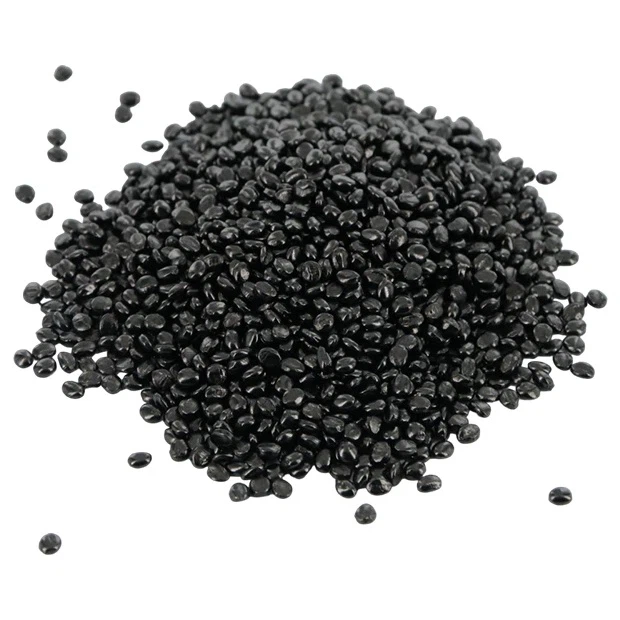
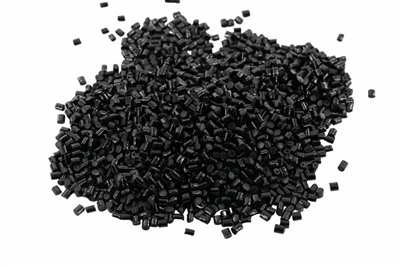

Hey there! As a supplier of universal black masterbatch, I'm super excited to break down what makes up this amazing product. Universal black masterbatch is a game - changer in the plastic and polymer industries, and understanding its composition is key to making the most of its benefits.
The Core Component: Carbon Black
The star ingredient in universal black masterbatch is carbon black. Carbon black is a fine powder produced by the incomplete combustion or thermal decomposition of hydrocarbons. It's what gives the masterbatch its intense black color. There are different grades of carbon black, and the choice depends on the end - use of the masterbatch.
For example, high - quality carbon black with a small particle size is often used when a deep, jet - black color is required. This type of carbon black also provides excellent UV protection. When plastics are exposed to sunlight, UV rays can cause them to degrade, become brittle, and lose their color. The carbon black in the masterbatch acts as a shield, absorbing and scattering UV radiation, thus extending the lifespan of the plastic products.
Carrier Resins
Next up are the carrier resins. These are the polymers that carry the carbon black throughout the plastic during the manufacturing process. The choice of carrier resin is crucial as it needs to be compatible with the base polymer of the final product.
Common carrier resins include polyethylene (PE), polypropylene (PP), and polystyrene (PS). For instance, if you're using the universal black masterbatch in a polyethylene - based product like a plastic bag or a Black Masterbatch for Mulch Film, a polyethylene carrier resin would be the best choice. It ensures good dispersion of the carbon black and proper integration with the base polymer.
In the case of wire and cable applications, Black Masterbatch for Wire and Cable often uses a carrier resin that has good electrical insulation properties. This helps in maintaining the electrical performance of the cable while providing the necessary black color and UV protection.
Additives
Additives play a vital role in enhancing the performance of universal black masterbatch. One common additive is a dispersing agent. The carbon black particles tend to agglomerate, and a dispersing agent helps to break these agglomerates and evenly distribute the carbon black throughout the carrier resin. This results in a more consistent color and better overall quality of the final product.
Another important additive is a stabilizer. Stabilizers protect the masterbatch and the final plastic product from thermal degradation during processing and from environmental factors like heat and oxygen over time. They help to maintain the physical and mechanical properties of the plastic, ensuring that the product remains strong and durable.
There are also lubricants added to the masterbatch. Lubricants reduce friction between the plastic melt and the processing equipment, making it easier to mold and shape the plastic. This can improve the production efficiency and reduce wear and tear on the machinery.
Compatibility and Versatility
One of the great things about universal black masterbatch is its compatibility with a wide range of polymers. This versatility makes it a popular choice for many different industries. Whether you're manufacturing pipes, Black Masterbatch For Pipe, automotive parts, or consumer goods, you can use the same universal black masterbatch.
It can be easily blended with different base polymers during the extrusion, injection molding, or blow - molding processes. This saves time and money for manufacturers as they don't have to source different masterbatches for different polymers.
Quality Control
As a supplier, ensuring the quality of our universal black masterbatch is our top priority. We have strict quality control measures in place at every stage of production. From carefully selecting the raw materials to conducting thorough testing of the final product, we make sure that each batch of masterbatch meets the highest standards.
We test for color consistency, dispersion quality, and the performance of additives. For example, we use advanced color measurement devices to ensure that the black color of the masterbatch matches the required shade. We also perform dispersion tests to check if the carbon black is evenly distributed in the carrier resin.
Applications in Different Industries
Let's take a closer look at some of the industries that benefit from universal black masterbatch.
In the packaging industry, it's used to give plastic containers, bags, and films a sleek black appearance. The UV protection provided by the carbon black is also important as it helps to preserve the contents of the packaging, especially for products that are sensitive to light.
The construction industry uses universal black masterbatch in pipes and fittings. Black Masterbatch For Pipe not only provides a uniform black color but also improves the durability of the pipes, protecting them from UV damage and environmental stress.


In the automotive industry, black masterbatch is used in interior and exterior parts. It gives a high - quality, black finish to components like dashboards, bumpers, and trim pieces. The additives in the masterbatch help these parts withstand the harsh conditions inside and outside the vehicle.
Conclusion
Universal black masterbatch is a complex yet amazing product. Its composition of carbon black, carrier resins, and additives work together to provide a wide range of benefits, including color, UV protection, and improved performance.
If you're in the market for high - quality universal black masterbatch, we're here to help. Our masterbatch is designed to meet the diverse needs of different industries. Whether you're looking for Black Masterbatch for Wire and Cable, Black Masterbatch For Pipe, or Black Masterbatch for Mulch Film, we've got you covered. Contact us today to discuss your specific requirements and start a procurement process. We're eager to work with you and help you take your plastic products to the next level.
References
- "Plastics Additives Handbook" by Hans Zweifel
- "Carbon Black: Production, Properties, and Applications" by John B. Donnet