

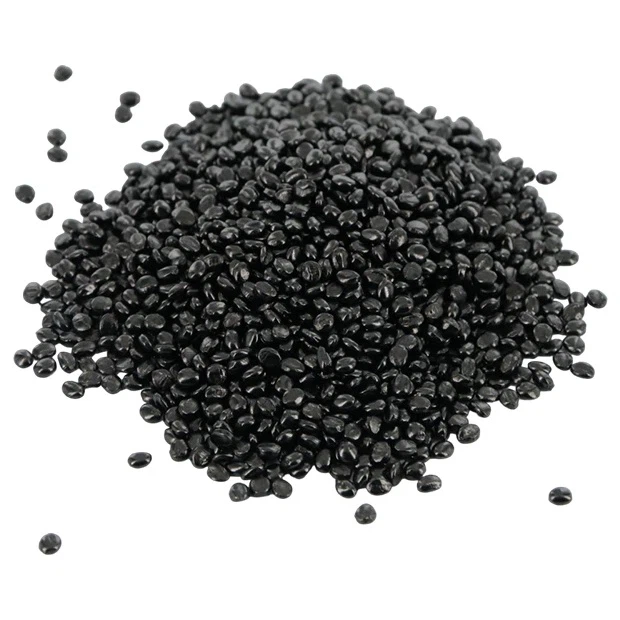
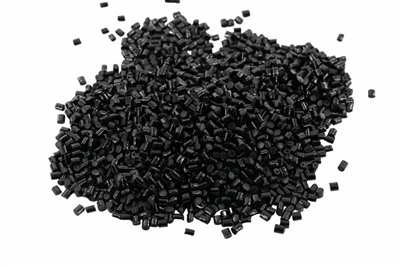

Hey there! As a supplier of black masterbatch for toys, I often get asked about the storage conditions of this essential product. In this blog, I'll share some insights on how to store black masterbatch for toys properly to ensure its quality and performance.
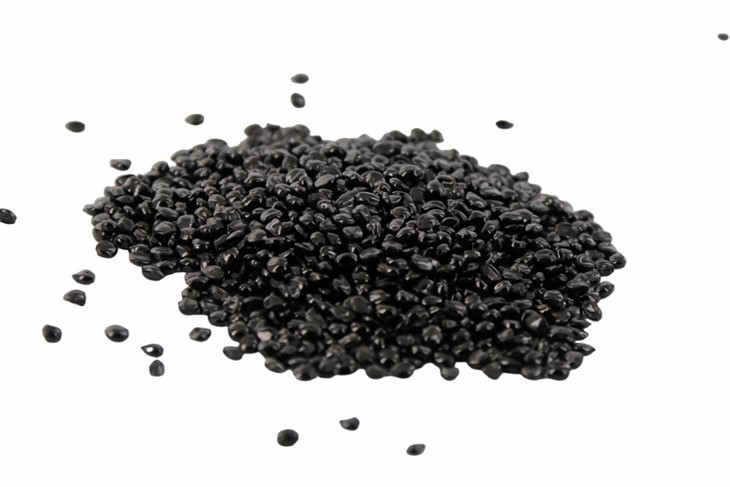
First off, let's understand what black masterbatch is. It's a concentrated mixture of pigments and additives, usually in a carrier resin. For toys, black masterbatch is used to give them that sleek, black color. It's a key ingredient that can affect the look and feel of the final toy product.
Temperature and Humidity
One of the most important factors in storing black masterbatch for toys is controlling the temperature. The ideal temperature range for storage is between 20°C to 25°C (68°F to 77°F). Extreme temperatures can have a negative impact on the masterbatch. If it gets too hot, say above 30°C (86°F), the pigments and additives in the masterbatch can start to break down. This can lead to a change in color intensity and may also affect the dispersion properties of the masterbatch when it's used in the toy - making process.
On the other hand, if the temperature drops too low, below 10°C (50°F), the masterbatch can become brittle. When it's brittle, it's more likely to break into smaller pieces during handling, which can cause issues with the feeding system in the toy - manufacturing machinery.
Humidity is another crucial aspect. The relative humidity in the storage area should be kept between 40% to 60%. High humidity can cause the masterbatch to absorb moisture. Moisture absorption can lead to clumping of the masterbatch pellets. Clumped masterbatch is difficult to handle and can result in uneven color distribution in the toys. It can also cause problems in the extrusion or injection - molding processes, such as air bubbles or surface defects in the final toy products.
Storage Containers
The type of container used to store black masterbatch for toys matters a lot. It's best to use sealed containers. Sealed containers prevent air, dust, and moisture from getting in. Plastic drums or bags with tight - fitting lids are great options. Make sure the containers are clean before you put the masterbatch in them. Any contaminants in the container can mix with the masterbatch and affect its quality.

If you're using bags, look for ones that are made of high - density polyethylene (HDPE). HDPE bags are strong and have good moisture - barrier properties. They can protect the masterbatch from external elements. Label the containers clearly with the date of receipt, batch number, and the type of masterbatch. This makes it easier to keep track of the inventory and ensures that you use the oldest stock first.
Storage Location
The location where you store the black masterbatch also plays a significant role. Keep it away from direct sunlight. Sunlight contains ultraviolet (UV) rays, which can cause the pigments in the masterbatch to fade over time. So, choose a storage area that is shaded or has proper UV - blocking windows.
It's also important to store the masterbatch away from any sources of heat, such as heaters or industrial ovens. Heat can cause the masterbatch to degrade, as mentioned earlier. Additionally, avoid storing it near areas where there is a lot of vibration. Vibration can cause the masterbatch pellets to rub against each other, leading to abrasion and the generation of dust. This dust can not only be a safety hazard but can also affect the quality of the masterbatch.
Protection from Chemicals
Black masterbatch for toys should be stored away from any chemicals. Chemicals can react with the pigments and additives in the masterbatch, altering its properties. For example, strong acids or alkalis can cause discoloration or degradation of the masterbatch. If your storage area also houses other chemicals, make sure there is a clear separation between them and the masterbatch.
Impact on Toy Quality
Proper storage of black masterbatch is directly related to the quality of the toys. When the masterbatch is stored under the right conditions, it maintains its color stability, dispersion properties, and other performance characteristics. This means that the toys will have a consistent, high - quality black color. The toys will also have better mechanical properties, as the masterbatch will be able to integrate well with the base resin during the manufacturing process.
On the contrary, if the masterbatch is not stored properly, it can lead to a range of issues in the toys. Uneven color distribution can make the toys look unappealing. Surface defects and air bubbles can reduce the durability and safety of the toys. These issues can result in customer complaints and may even lead to product recalls, which can be costly for toy manufacturers.
Our Product Range
We offer a variety of black masterbatch products suitable for different toy - making processes. For example, our Black Masterbatch for Injection is specifically designed for injection - molding applications. It has excellent dispersion properties, ensuring a smooth and even color in the injected toys.
Our Black Masterbatch for PP Tableware can also be used in some types of toys made from polypropylene (PP). It meets the high - quality standards required for products that may come into contact with food, which is an important consideration for certain toys.
And for toys made from thin - walled materials like shopping - bag - like structures, our Black Masterbatch for Shopping Bag is a great choice. It provides good color strength and is easy to process.
Conclusion
In conclusion, proper storage of black masterbatch for toys is essential to maintain its quality and ensure the production of high - quality toys. By controlling the temperature, humidity, using the right storage containers, choosing the right location, and protecting it from chemicals, you can extend the shelf - life of the masterbatch and get the best results in your toy - making process.
If you're in the toy - manufacturing business and are looking for high - quality black masterbatch, we're here to help. We have a team of experts who can provide you with more information about our products and offer advice on storage and usage. Contact us to start a purchase negotiation and take your toy - making to the next level.
References
- Polymer Additives Handbook, 5th Edition, edited by Hans Zweifel
- Plastics Engineering Handbook of the Society of Plastics Engineers, 5th Edition, edited by Michael P. Sepe