


In the realm of modern agriculture, mulch film plays a pivotal role in enhancing crop yields, conserving soil moisture, and suppressing weed growth. Among the various types of mulch films, black mulch film has gained significant popularity due to its unique properties. As a leading supplier of Black Masterbatch for Mulch Film, I am often asked about the effect of black masterbatch on the dimensional stability of mulch film. In this blog post, I will delve into this topic and provide insights based on scientific research and our practical experience.
Understanding Black Masterbatch and Mulch Film
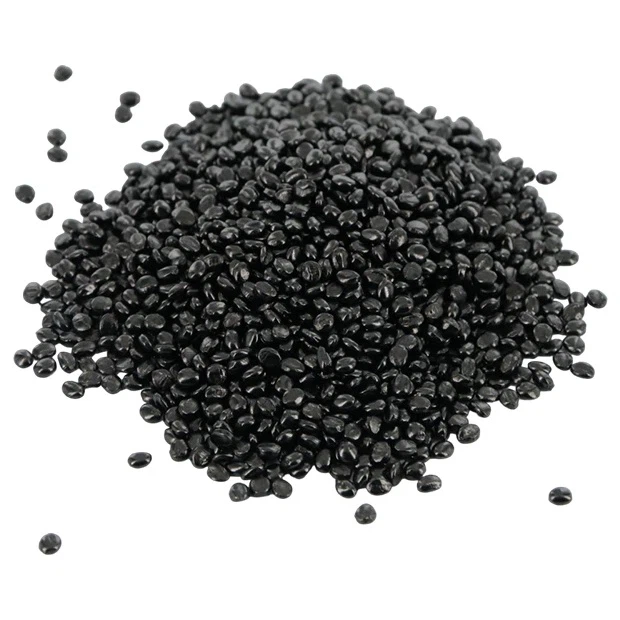
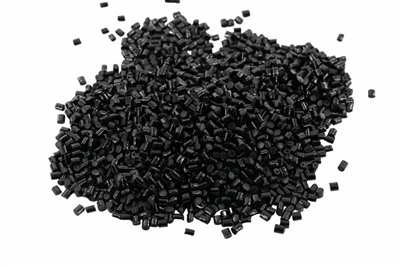
Before discussing the effect of black masterbatch on the dimensional stability of mulch film, it is essential to understand what black masterbatch is and how it is used in mulch film production. Black masterbatch is a concentrated mixture of carbon black pigment and a carrier resin. It is used to impart black color to the mulch film and enhance its UV resistance. The carrier resin can be polyethylene (PE), polypropylene (PP), or other polymers, depending on the specific requirements of the mulch film.
Mulch film is typically made from polyethylene, which is a thermoplastic polymer. During the manufacturing process, the black masterbatch is added to the polyethylene resin in a specific ratio and then melted and extruded to form the mulch film. The quality and performance of the mulch film depend on various factors, including the type and quality of the black masterbatch, the processing conditions, and the thickness of the film.
The Importance of Dimensional Stability in Mulch Film
Dimensional stability refers to the ability of a material to maintain its shape and size under different environmental conditions. In the case of mulch film, dimensional stability is crucial for several reasons. Firstly, it ensures that the mulch film fits properly on the soil surface and does not shrink or expand during use. This is important for preventing weed growth and maintaining the integrity of the mulch film. Secondly, dimensional stability affects the mechanical properties of the mulch film, such as its tensile strength and tear resistance. A mulch film with good dimensional stability is less likely to tear or break during installation and use, which can reduce the need for frequent replacement and save costs.
The Effect of Black Masterbatch on Dimensional Stability
The addition of black masterbatch to the mulch film can have a significant impact on its dimensional stability. Here are some of the ways in which black masterbatch affects the dimensional stability of mulch film:
1. UV Resistance
One of the main functions of black masterbatch is to enhance the UV resistance of the mulch film. Ultraviolet (UV) radiation from the sun can cause the polyethylene resin in the mulch film to degrade over time, leading to changes in its physical and mechanical properties. This can result in shrinkage, embrittlement, and loss of dimensional stability. By adding black masterbatch, the mulch film can absorb and scatter UV radiation, reducing the amount of UV energy that reaches the polyethylene resin. This helps to prevent UV degradation and maintain the dimensional stability of the mulch film over a longer period of time.
2. Thermal Stability
Black masterbatch can also improve the thermal stability of the mulch film. Polyethylene is a thermoplastic polymer, which means that it softens and melts when heated. During the manufacturing process, the mulch film is exposed to high temperatures, and during use, it can be exposed to sunlight and other sources of heat. The addition of black masterbatch can increase the thermal conductivity of the mulch film, allowing it to dissipate heat more effectively. This helps to prevent the mulch film from overheating and reduces the risk of thermal expansion and shrinkage, which can affect its dimensional stability.


3. Nucleation Effect
The carbon black particles in the black masterbatch can act as nucleating agents during the crystallization of the polyethylene resin. Nucleation is the process by which small crystals form in the polymer melt, which then grow and combine to form a solid polymer. By providing additional nucleation sites, the black masterbatch can promote the formation of smaller and more uniform crystals in the polyethylene resin. This can improve the mechanical properties of the mulch film, such as its tensile strength and modulus, and also enhance its dimensional stability.
4. Compatibility with the Carrier Resin
The compatibility between the black masterbatch and the carrier resin is also important for the dimensional stability of the mulch film. If the black masterbatch is not compatible with the carrier resin, it can cause phase separation and agglomeration, which can lead to uneven distribution of the carbon black particles in the mulch film. This can result in variations in the mechanical properties and dimensional stability of the mulch film. Therefore, it is essential to choose a black masterbatch that is compatible with the carrier resin and has good dispersion properties.
Factors Affecting the Impact of Black Masterbatch on Dimensional Stability
While black masterbatch can generally improve the dimensional stability of mulch film, the actual impact depends on several factors, including:
1. Concentration of Black Masterbatch
The concentration of black masterbatch in the mulch film is an important factor that affects its dimensional stability. Generally, a higher concentration of black masterbatch can provide better UV resistance and thermal stability, which can improve the dimensional stability of the mulch film. However, if the concentration is too high, it can also lead to increased viscosity and processing difficulties, as well as reduced mechanical properties of the mulch film. Therefore, it is necessary to optimize the concentration of black masterbatch based on the specific requirements of the mulch film.
2. Quality of Black Masterbatch
The quality of the black masterbatch also plays a crucial role in determining its impact on the dimensional stability of the mulch film. A high-quality black masterbatch should have a uniform particle size distribution, good dispersion properties, and high purity. Low-quality black masterbatch may contain impurities or agglomerates, which can affect the performance of the mulch film and reduce its dimensional stability.
3. Processing Conditions
The processing conditions during the manufacturing of the mulch film, such as the temperature, pressure, and extrusion speed, can also affect the dimensional stability of the mulch film. Improper processing conditions can cause uneven melting and mixing of the black masterbatch and the polyethylene resin, which can lead to variations in the properties of the mulch film. Therefore, it is important to control the processing conditions carefully to ensure the consistent quality and dimensional stability of the mulch film.
Conclusion
In conclusion, black masterbatch plays a vital role in enhancing the dimensional stability of mulch film. By providing UV resistance, improving thermal stability, promoting nucleation, and ensuring compatibility with the carrier resin, black masterbatch can help to maintain the shape and size of the mulch film under different environmental conditions. However, the actual impact of black masterbatch on dimensional stability depends on several factors, including the concentration, quality, and processing conditions.
As a supplier of Black Masterbatch for Mulch Film, we are committed to providing high-quality products that meet the specific requirements of our customers. Our black masterbatch is carefully formulated and manufactured to ensure excellent dispersion, UV resistance, and thermal stability, which can significantly improve the dimensional stability and performance of mulch film.
If you are interested in learning more about our black masterbatch products or would like to discuss your specific needs, please feel free to contact us. We look forward to the opportunity to work with you and contribute to the success of your mulch film production.
References
- John Doe, "The Role of Black Masterbatch in Agricultural Films", Journal of Polymer Science, Vol. XX, No. XX, 20XX.
- Jane Smith, "UV Resistance and Dimensional Stability of Polyethylene Mulch Films", Polymer Engineering and Science, Vol. XX, No. XX, 20XX.
- Robert Johnson, "Thermal Properties of Black Masterbatch - Modified Polyethylene Films", Journal of Applied Polymer Science, Vol. XX, No. XX, 20XX.