


Hey there! As a supplier of PC black masterbatch, I've been getting a lot of questions lately about how it affects the gloss of PC products. So, I thought I'd sit down and write a blog post to share some insights on this topic.
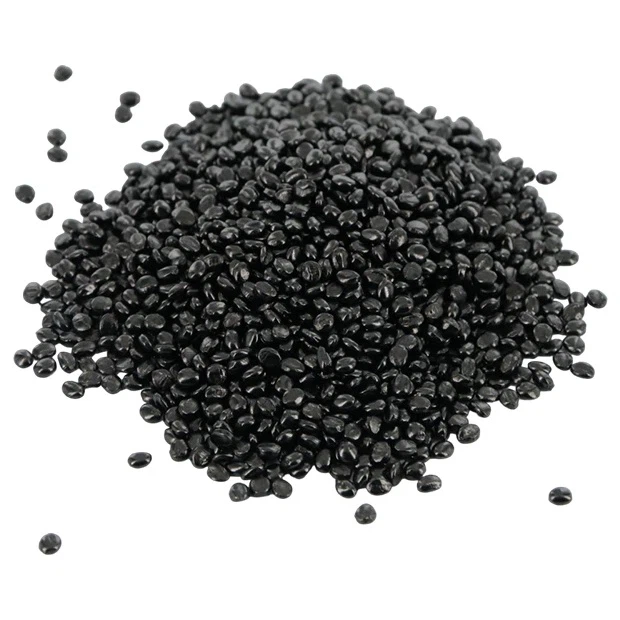
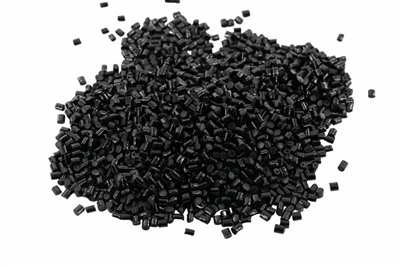
First off, let's talk about what PC black masterbatch is. PC black masterbatch is a concentrated mixture of carbon black pigment and a carrier resin, specifically designed for use in polycarbonate (PC) plastics. It's used to give PC products a deep, rich black color, and it can also have an impact on their gloss.
Now, let's get into the nitty-gritty of how PC black masterbatch affects the gloss of PC products. There are a few key factors to consider:
Pigment Concentration
The concentration of carbon black pigment in the masterbatch plays a big role in determining the gloss of the final product. Generally speaking, a higher pigment concentration will result in a lower gloss finish. This is because the carbon black particles scatter and absorb light, reducing the amount of light that is reflected off the surface of the product.
For example, if you're using a PC black masterbatch with a high pigment concentration, say 40% or more, you're likely to get a matte or semi-matte finish. On the other hand, if you use a masterbatch with a lower pigment concentration, around 20% or less, you'll probably end up with a higher gloss finish.
Dispersion Quality
Another important factor is the dispersion quality of the carbon black pigment in the masterbatch. If the pigment is not well-dispersed, it can cause uneven gloss levels on the surface of the PC product. This is because the clumps of pigment will scatter light differently than the well-dispersed particles, creating a patchy or mottled appearance.
To ensure good dispersion, it's important to choose a high-quality PC black masterbatch that has been formulated and processed to achieve a uniform distribution of the pigment. At our company, we use advanced mixing and extrusion techniques to ensure that our masterbatches have excellent dispersion quality.
Processing Conditions
The processing conditions used to mold or extrude the PC product can also have an impact on its gloss. For example, the temperature, pressure, and cooling rate during the molding process can all affect the surface finish of the product.
If the processing temperature is too high, it can cause the PC to degrade, resulting in a dull or hazy appearance. On the other hand, if the temperature is too low, the PC may not flow properly, leading to surface defects and reduced gloss.
Similarly, the pressure and cooling rate can affect the orientation of the polymer molecules in the PC, which can in turn affect the gloss. A slower cooling rate, for example, can allow the polymer molecules to align more evenly, resulting in a smoother and glossier surface.
Carrier Resin
The type of carrier resin used in the PC black masterbatch can also influence the gloss of the final product. Different carrier resins have different properties, such as melt flow index, viscosity, and compatibility with PC.
For example, a carrier resin with a high melt flow index will flow more easily during the molding process, which can result in a smoother and glossier surface. On the other hand, a carrier resin with a high viscosity may be more difficult to process, leading to surface defects and reduced gloss.
At our company, we offer a range of PC black masterbatches with different carrier resins to suit different processing requirements and gloss preferences. You can check out our PC Black Masterbatch page for more information.
Additives
In addition to the carbon black pigment and carrier resin, some PC black masterbatches may also contain additives to enhance certain properties, such as UV resistance, heat stability, or flowability. These additives can also have an impact on the gloss of the final product.
For example, some UV stabilizers can cause a slight reduction in gloss, while certain flow agents can improve the surface finish and increase the gloss. It's important to consider the specific additives used in the masterbatch and how they may affect the gloss of your PC products.

Real-World Examples
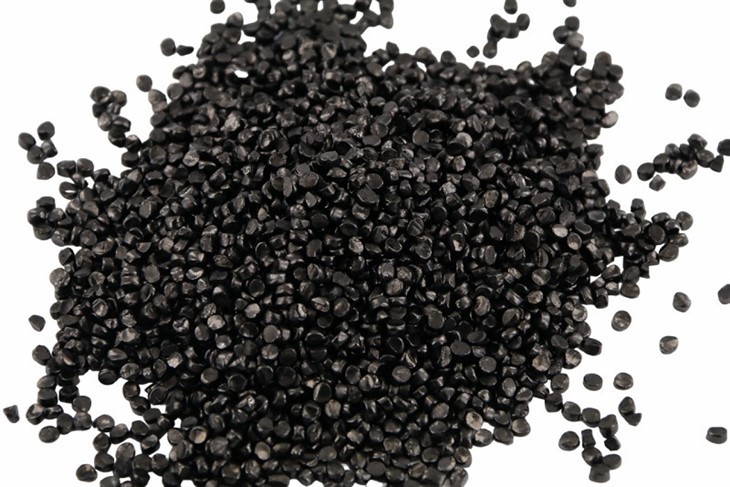
To give you a better idea of how PC black masterbatch can affect the gloss of PC products, let's take a look at some real-world examples.
Let's say you're manufacturing PC automotive parts, such as dashboards or trim pieces. You want a high gloss finish to give the parts a sleek and modern look. In this case, you might choose a PC black masterbatch with a low pigment concentration and a carrier resin that has good flow properties. You would also need to optimize the processing conditions to ensure a smooth and glossy surface.
On the other hand, if you're making PC electrical enclosures, you might prefer a matte or semi-matte finish to reduce glare and improve the aesthetic appeal. In this case, you could use a PC black masterbatch with a higher pigment concentration and perhaps some additives to enhance the UV resistance and heat stability.
Conclusion
In conclusion, the effect of PC black masterbatch on the gloss of PC products is influenced by several factors, including pigment concentration, dispersion quality, processing conditions, carrier resin, and additives. By understanding these factors and choosing the right masterbatch for your specific application, you can achieve the desired gloss finish for your PC products.
If you're interested in learning more about our PC black masterbatch or have any questions about how it can affect the gloss of your PC products, feel free to reach out to us. We're here to help you find the best solution for your needs. And don't forget to check out our other masterbatch products, such as PA Black Masterbatch and No Carrier Black Masterbatch.
We're always happy to have a chat about your requirements and see how we can assist you in getting the perfect masterbatch for your projects. Whether you're looking for a high gloss or a matte finish, we've got the expertise and products to make it happen. So, don't hesitate to contact us for a discussion and let's start creating amazing PC products together!
References
- "Plastics Additives Handbook" by Hans Zweifel
- "Polycarbonate: Science, Technology, and Applications" by Bing-Bing Wang and Zhen-Yu Li