

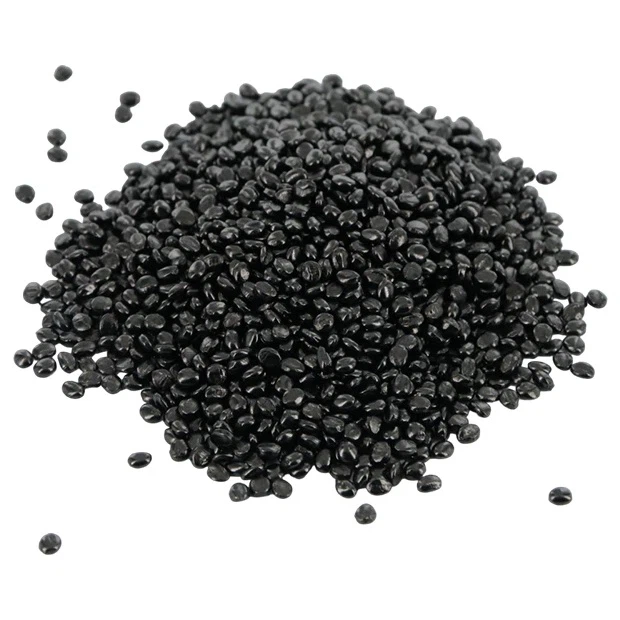
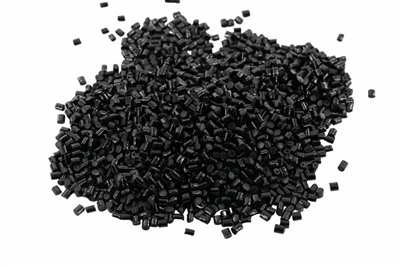

As a supplier of black masterbatch for filament, understanding the chemical resistance of our product is crucial. Chemical resistance refers to the ability of a material to withstand the action of various chemicals without significant degradation in its physical or chemical properties. In the case of black masterbatch for filament, this characteristic can greatly impact its performance and suitability for different applications.
Factors Affecting Chemical Resistance
The chemical resistance of black masterbatch for filament is influenced by several factors. One of the primary factors is the type of polymer used as the carrier resin in the masterbatch. Different polymers have different chemical structures and properties, which determine their resistance to various chemicals. For example, polyethylene (PE) and polypropylene (PP) are known for their good resistance to many organic solvents and chemicals, while polyvinyl chloride (PVC) may be more susceptible to certain chemicals due to its polar nature.
Another important factor is the type and concentration of additives used in the masterbatch. Additives such as antioxidants, UV stabilizers, and dispersants can enhance the chemical resistance of the masterbatch by protecting the polymer matrix from chemical attack. However, the choice of additives must be carefully considered to ensure compatibility with the polymer and the end-use application.
The manufacturing process also plays a role in determining the chemical resistance of the black masterbatch. Proper mixing and dispersion of the carbon black and other additives in the polymer matrix are essential to ensure uniform distribution and optimal performance. Inadequate mixing can lead to poor dispersion, which may result in areas of weakness in the masterbatch and reduced chemical resistance.
Testing Chemical Resistance
To determine the chemical resistance of our black masterbatch for filament, we conduct a series of tests using various chemicals. These tests are designed to simulate the conditions that the masterbatch may encounter in real-world applications. The most common tests include immersion tests, where samples of the masterbatch are immersed in a specific chemical for a certain period of time, and then evaluated for changes in weight, dimensions, and mechanical properties.
We also perform chemical resistance tests using accelerated aging methods, such as exposure to high temperatures and humidity in the presence of chemicals. These tests can provide valuable information about the long-term performance of the masterbatch under harsh conditions.
Applications and Chemical Resistance Requirements
The chemical resistance requirements of black masterbatch for filament vary depending on the application. For example, in the automotive industry, where the masterbatch may be used in interior and exterior components, it must have good resistance to automotive fluids such as gasoline, oil, and coolant. In the packaging industry, the masterbatch may need to be resistant to food contact chemicals and environmental factors such as moisture and UV radiation.
In the construction industry, black masterbatch for filament used in pipes, cables, and other building materials may be exposed to a wide range of chemicals, including acids, alkalis, and solvents. Therefore, it is essential that the masterbatch has excellent chemical resistance to ensure the durability and performance of the final product.
Here are some of our related products that are designed to meet specific application requirements:
- Black Masterbatch for Granulation: This product is specifically formulated for granulation processes and offers excellent chemical resistance and dispersion properties.
- Black Masterbatch For Injection: Ideal for injection molding applications, this masterbatch provides high color strength and good chemical resistance.
- Black Masterbatch for Sunshade Net: Designed for sunshade net applications, this masterbatch offers excellent UV resistance and chemical stability.
Ensuring Optimal Chemical Resistance
As a supplier, we are committed to providing our customers with black masterbatch for filament that meets the highest standards of chemical resistance. To achieve this, we use high-quality raw materials and advanced manufacturing processes to ensure consistent product quality.


We also work closely with our customers to understand their specific application requirements and provide customized solutions. Our technical team is available to provide expert advice and support on chemical resistance testing and product selection.
Conclusion
The chemical resistance of black masterbatch for filament is an important property that can significantly impact its performance and suitability for different applications. By understanding the factors that affect chemical resistance, conducting thorough testing, and providing customized solutions, we can ensure that our customers receive high-quality products that meet their specific needs.
If you are interested in learning more about our black masterbatch for filament or have any questions regarding chemical resistance, please feel free to contact us. We look forward to the opportunity to discuss your requirements and provide you with the best possible solutions.
References
- ASTM International. (20XX). Standard test methods for evaluating the chemical resistance of plastics.
- Polymer Handbook. (20XX). Fourth Edition. John Wiley & Sons.
- Modern Plastics Encyclopedia. (20XX). McGraw-Hill.