

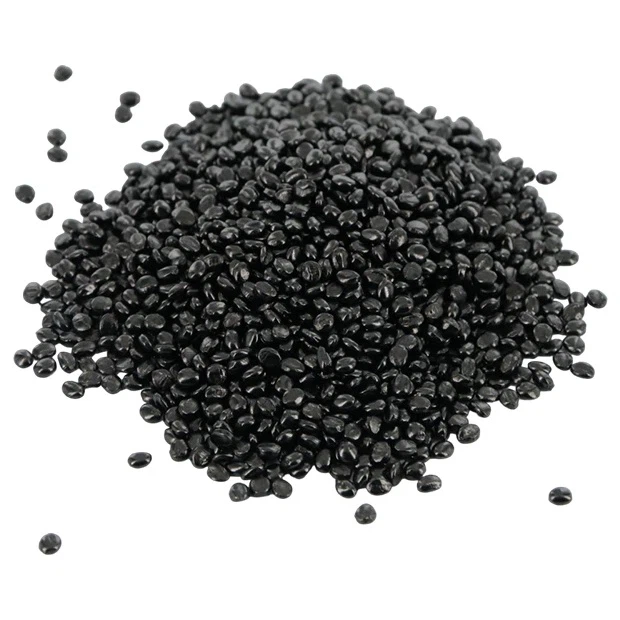
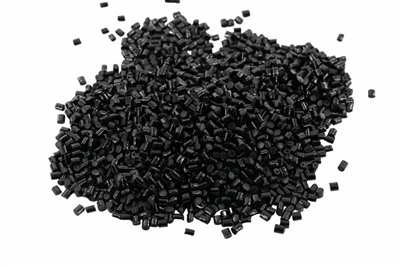

In the plastics industry, black masterbatch is a crucial additive that imparts color and other properties to plastic products. As a PS black masterbatch supplier, I am often asked about the industry standards for this product. In this blog post, I will delve into the key industry standards for PS black masterbatch, shedding light on what makes a high - quality product and how it meets the needs of various applications.
1. Color Consistency
One of the primary industry standards for PS black masterbatch is color consistency. Customers expect the black color to be uniform across different batches and throughout the plastic product. This consistency is measured in terms of color strength and hue. Color strength refers to the intensity of the black color, and it is typically determined using a spectrophotometer. The hue, on the other hand, describes the specific shade of black, whether it has a blue, brown, or neutral undertone.
For PS black masterbatch, the color should be deep, rich, and free from any visible streaks or variations. This is especially important in applications where appearance is critical, such as consumer electronics, packaging, and household items. A consistent color ensures that the final product looks professional and of high quality.
2. Dispersion Quality
Another vital standard is the dispersion quality of the black masterbatch in the PS resin. Good dispersion means that the carbon black particles are evenly distributed throughout the plastic matrix. Poor dispersion can lead to issues such as black specks, streaks, or uneven coloring in the final product.
To achieve excellent dispersion, the masterbatch must be formulated with appropriate dispersants and processing aids. These additives help to break down the carbon black agglomerates and ensure that they are uniformly mixed with the PS resin during the extrusion or molding process. Industry - accepted methods for testing dispersion include microscopic examination of the plastic samples to check for the presence of undispersed particles.
3. Heat Stability
PS black masterbatch needs to have good heat stability, especially considering the high - temperature processing conditions involved in PS resin manufacturing. During extrusion, injection molding, or other processing methods, the masterbatch should not degrade or decompose, as this can lead to a change in color, loss of mechanical properties, and the formation of unwanted by - products.
Heat stability is typically evaluated by subjecting the masterbatch to high - temperature conditions for a specified period and then measuring any changes in color, viscosity, or other physical properties. High - quality PS black masterbatch should be able to withstand the processing temperatures of PS resin, which can range from 180°C to 280°C, without significant degradation.


4. Compatibility with PS Resin
The masterbatch must be fully compatible with the PS resin. Compatibility ensures that there is no phase separation between the masterbatch and the resin during processing or in the final product. Incompatible masterbatch can lead to issues such as delamination, poor adhesion, and reduced mechanical properties of the plastic product.
Compatibility is often determined through a series of laboratory tests, including melt flow index (MFI) measurements, differential scanning calorimetry (DSC), and rheological studies. These tests help to assess how well the masterbatch and the PS resin interact at the molecular level.
5. UV Resistance
In applications where the PS products are exposed to sunlight or other sources of ultraviolet (UV) radiation, the black masterbatch should have good UV resistance. UV radiation can cause the plastic to degrade over time, leading to color fading, embrittlement, and a reduction in mechanical strength.
High - quality PS black masterbatch is formulated with UV stabilizers to protect the plastic from the harmful effects of UV radiation. The UV resistance of the masterbatch can be tested using accelerated weathering chambers, where the samples are exposed to simulated sunlight for an extended period, and the changes in color and mechanical properties are monitored.
6. Regulatory Compliance
PS black masterbatch must comply with various regulatory standards, both national and international. These regulations are in place to ensure the safety of the final plastic products, especially those used in food contact applications, medical devices, or consumer goods.
For example, in the European Union, the masterbatch must comply with the EU regulations on plastic materials and articles intended to come into contact with food. In the United States, it must meet the requirements of the Food and Drug Administration (FDA). These regulations set limits on the levels of heavy metals, volatile organic compounds (VOCs), and other potentially harmful substances in the masterbatch.
Applications and Industry - Specific Standards
PS black masterbatch finds a wide range of applications, and each application may have its own specific standards.
Consumer Electronics
In the consumer electronics industry, the color accuracy and dispersion quality of the masterbatch are of utmost importance. The products need to have a sleek, uniform black appearance to meet the aesthetic expectations of consumers. Additionally, the masterbatch should have good electrical insulation properties to prevent any interference with the electronic components. For more information on high - performance masterbatch for electronics, you can visit PC Black Masterbatch.
Packaging
In the packaging industry, the masterbatch should be safe for food contact if the PS products are used for food packaging. It should also have good processability to ensure efficient production of packaging materials. The color should be consistent to maintain brand identity, and the masterbatch should not transfer any odor or taste to the food.
Automotive
The automotive industry has high - standards for PS black masterbatch. The masterbatch used in automotive interior and exterior parts needs to have excellent heat stability, UV resistance, and mechanical properties. The parts are often exposed to harsh environmental conditions, and they need to maintain their appearance and performance over a long period. To learn more about black masterbatch for automotive applications, check out Black Masterbatch For Automotive.
Our Commitment as a Supplier
As a PS black masterbatch supplier, we are committed to meeting and exceeding these industry standards. We use the latest manufacturing technologies and high - quality raw materials to ensure that our masterbatch products are of the highest quality. Our in - house quality control team conducts rigorous testing at every stage of the production process, from raw material inspection to the final product testing.
We also offer customized solutions to meet the specific needs of our customers. Whether you need a masterbatch with a particular color shade, enhanced UV resistance, or other special properties, we can work with you to develop the right product.
If you are in the market for high - quality PS Black Masterbatch, we invite you to contact us for a detailed discussion about your requirements. Our team of experts is ready to assist you in finding the best masterbatch solution for your applications. We look forward to the opportunity to work with you and help you achieve your production goals.
References
- ASTM International Standards on Plastics
- European Union Regulations on Plastic Materials and Articles for Food Contact
- Food and Drug Administration (FDA) Guidelines for Plastic Additives