


Hey there! As a supplier of ABS black masterbatch, I've been getting a lot of questions lately about how our product impacts the flame-retardant performance of ABS. So, I thought I'd sit down and write a blog post to share some insights on this topic.
First off, let's talk about what ABS is and why flame retardancy is important. ABS, or acrylonitrile butadiene styrene, is a common thermoplastic polymer known for its toughness, rigidity, and good processing properties. It's used in a wide range of applications, from automotive parts to consumer electronics. However, one of the drawbacks of ABS is its relatively high flammability. In many industries, especially those where safety is a top concern, such as the automotive and electronics sectors, flame retardancy is a critical requirement.
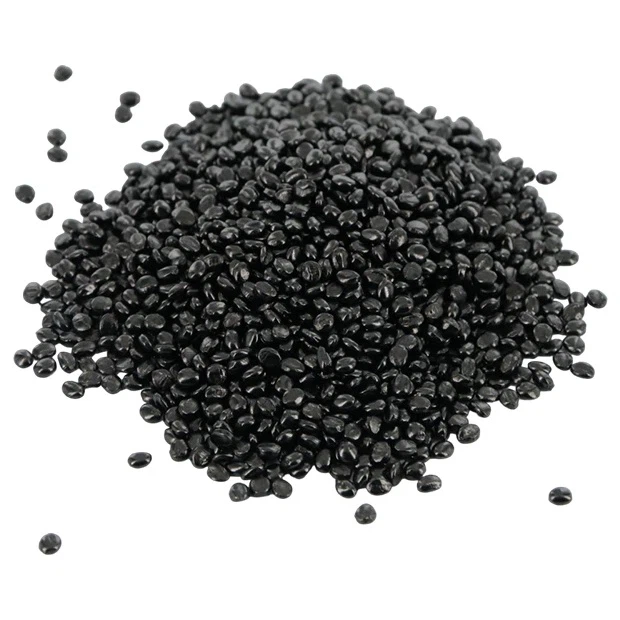
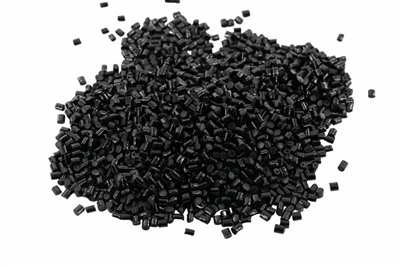
Now, let's dive into how ABS black masterbatch comes into play. ABS black masterbatch is a concentrated mixture of carbon black pigment and a carrier resin, usually ABS itself. It's used to color ABS products black while also providing other benefits, such as UV protection and improved mechanical properties. But can it also enhance the flame-retardant performance of ABS?
The answer is yes, but it depends on several factors. One of the key factors is the type and amount of carbon black used in the masterbatch. Carbon black is a well-known flame retardant additive. It works by forming a char layer on the surface of the polymer when exposed to heat or flame. This char layer acts as a barrier, preventing oxygen from reaching the underlying polymer and reducing the rate of heat transfer. As a result, the polymer burns more slowly and is less likely to spread the flame.
However, not all carbon blacks are created equal. Different types of carbon black have different particle sizes, surface areas, and structures, which can affect their flame-retardant effectiveness. For example, high-structure carbon blacks with a large surface area tend to provide better flame retardancy than low-structure carbon blacks. Additionally, the amount of carbon black in the masterbatch also plays a crucial role. Generally, a higher loading of carbon black will result in better flame retardancy, but there's a limit to how much can be added without negatively affecting the mechanical properties of the ABS.


Another factor to consider is the interaction between the carbon black and other additives in the ABS formulation. In many cases, ABS products are formulated with other flame retardant additives, such as brominated or phosphorus-based compounds. These additives can work synergistically with carbon black to enhance the overall flame-retardant performance. For example, the char layer formed by carbon black can help to trap the decomposition products of the other flame retardant additives, further improving the flame retardancy.
In addition to carbon black, some ABS black masterbatches may also contain other flame retardant additives or synergists. These can include metal hydroxides, such as aluminum hydroxide or magnesium hydroxide, which release water when heated, cooling the polymer and diluting the flammable gases. Other synergists, such as zinc borate or antimony trioxide, can enhance the effectiveness of the primary flame retardant additives.
So, how can you tell if an ABS black masterbatch is going to improve the flame-retardant performance of your ABS product? The best way is to conduct flame retardancy tests. There are several standard tests available, such as the UL 94 test, which measures the flammability of plastics and assigns a rating based on their performance. By testing different formulations of ABS with and without the masterbatch, you can determine the impact of the masterbatch on the flame-retardant performance.
At our company, we understand the importance of providing high-quality ABS black masterbatch that not only colors your products but also enhances their flame-retardant performance. That's why we use only the highest quality carbon black and carefully select other additives to ensure the best possible results. Our masterbatch is also formulated to be compatible with a wide range of ABS grades, making it easy to incorporate into your existing production processes.
If you're in the market for PA Black Masterbatch, Black Masterbatch For Automotive, or PC Black Masterbatch, we've got you covered. We offer a variety of masterbatch products tailored to different applications and requirements. Whether you need a masterbatch for automotive parts, consumer electronics, or other products, we can provide a solution that meets your needs.
If you're interested in learning more about our ABS black masterbatch and how it can improve the flame-retardant performance of your ABS products, don't hesitate to get in touch. We'd be happy to discuss your specific requirements and provide you with samples for testing. Let's work together to create high-quality, flame-retardant ABS products that meet the highest safety standards.
References
- "Flame Retardancy of Polymers: Principles and Applications" by Horrocks, A. R., & Price, D.
- "Carbon Black: Science and Technology" by Donnet, J. B., Bansal, R. C., & Wang, M. -J.
- "Plastics Additives: An A-Z Reference" by Rothon, R. N.