

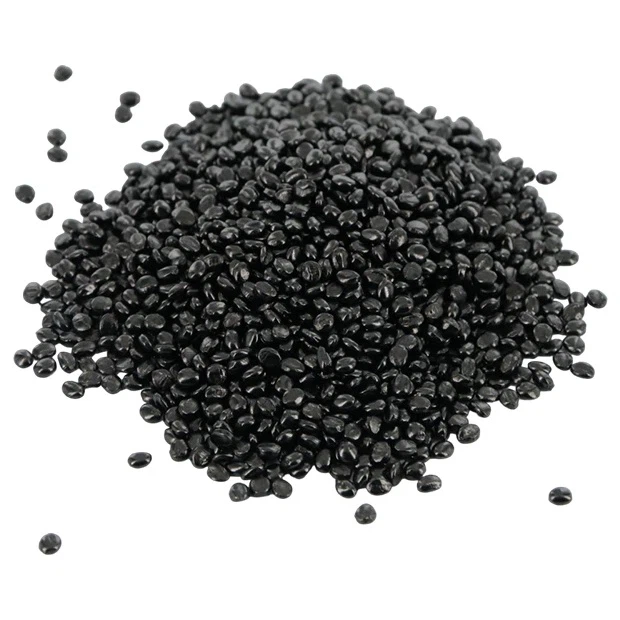
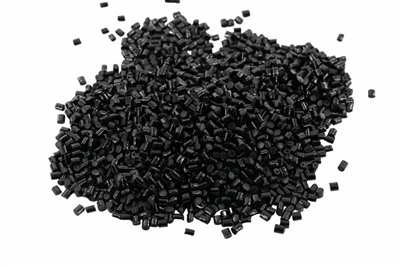

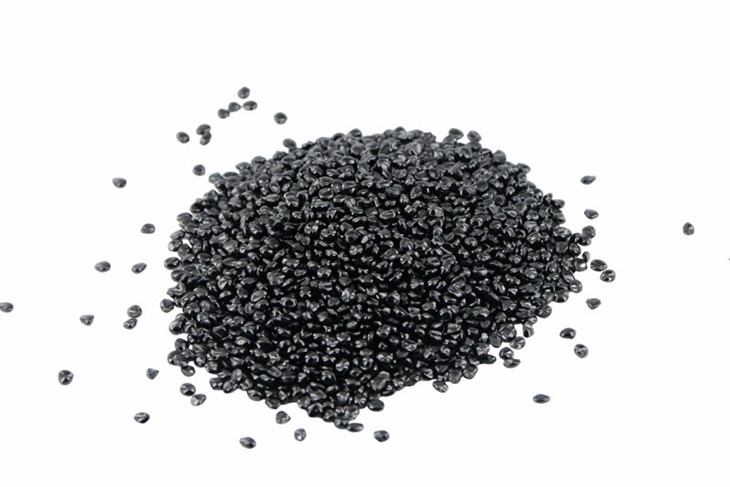
Drying black masterbatch is a crucial step before granulation to ensure the quality and performance of the final product. As a supplier of black masterbatch for granulation, I understand the importance of this process and would like to share some insights on how to effectively dry black masterbatch.
Understanding the Need for Drying
Black masterbatch typically contains pigments, additives, and a carrier resin. During storage and transportation, it can absorb moisture from the environment. Moisture in the masterbatch can lead to various issues during granulation, such as poor dispersion of pigments, reduced mechanical properties of the final product, and the formation of bubbles or voids. Therefore, proper drying is essential to remove this moisture and ensure a high - quality granulation process.
Factors Affecting Drying
Moisture Content
The initial moisture content of the black masterbatch is a key factor. Higher moisture levels will require longer drying times and more energy. Different types of black masterbatch may have different inherent moisture - absorbing characteristics. For example, masterbatches with certain additives may be more hygroscopic than others.
Temperature
The drying temperature plays a vital role. If the temperature is too low, the drying process will be slow and inefficient. On the other hand, if the temperature is too high, it can cause degradation of the carrier resin or pigments in the masterbatch. The optimal drying temperature depends on the type of carrier resin used in the black masterbatch. For common polyolefin - based carrier resins, a temperature range of 80 - 100°C is often suitable.

Drying Time
The duration of drying is closely related to the moisture content and temperature. Generally, the higher the moisture content, the longer the drying time required. However, excessive drying time can also be wasteful of energy and may potentially damage the masterbatch.
Airflow
Proper airflow is necessary to carry away the moisture that is being evaporated from the masterbatch. Good airflow ensures uniform drying throughout the batch. Insufficient airflow can result in uneven drying, with some parts of the masterbatch remaining moist while others are over - dried.
Drying Methods
Tray Drying
Tray drying is a simple and commonly used method. In this method, the black masterbatch is spread evenly on trays and placed in an oven. The oven is set at the appropriate temperature, and hot air circulates around the trays to remove moisture. This method is suitable for small - scale production or for testing purposes. However, it has some limitations. It is a relatively slow process, and it may not provide very uniform drying, especially if the masterbatch on the trays is not spread evenly.
Fluidized Bed Drying
Fluidized bed drying is a more advanced and efficient method. In a fluidized bed dryer, hot air is blown through a bed of black masterbatch particles at a high velocity. This causes the particles to behave like a fluid, with good mixing and heat transfer. The high - velocity air ensures rapid evaporation of moisture from the surface of the particles. Fluidized bed drying can achieve faster and more uniform drying compared to tray drying. It is suitable for large - scale production as it can handle a large volume of masterbatch in a relatively short time.
Vacuum Drying
Vacuum drying is another option, especially for heat - sensitive black masterbatches. In a vacuum dryer, the pressure inside the drying chamber is reduced, which lowers the boiling point of water. This allows moisture to be removed at a lower temperature, reducing the risk of thermal degradation of the masterbatch. Vacuum drying can be more expensive than other methods due to the need for specialized equipment, but it is often the preferred choice when dealing with high - value or heat - sensitive products.
Pre - Drying Considerations
Before starting the drying process, it is important to prepare the black masterbatch properly. First, the masterbatch should be inspected for any foreign objects or lumps. Lumps can prevent uniform drying and may cause problems during granulation. If lumps are found, they should be broken up manually or by using a suitable crusher.
It is also a good practice to measure the initial moisture content of the masterbatch. This can be done using a moisture analyzer. By knowing the initial moisture content, you can better determine the appropriate drying parameters such as temperature and time.
Monitoring the Drying Process
During the drying process, it is essential to monitor the progress. One way to do this is by periodically measuring the moisture content of the masterbatch. This can be done using a moisture analyzer at regular intervals. As the drying progresses, the moisture content should gradually decrease.
Another way to monitor is by observing the appearance and behavior of the masterbatch. For example, in a fluidized bed dryer, if the particles are flowing smoothly and there are no signs of clumping, it is an indication that the drying is going well. If clumping occurs, it may suggest that the drying is not uniform or that the temperature is too high.
Post - Drying Handling
Once the black masterbatch is dried to the desired moisture level, it should be handled carefully to prevent re - absorption of moisture. The dried masterbatch should be stored in a sealed container in a dry environment. If possible, it should be used for granulation as soon as possible after drying.
Applications of Dried Black Masterbatch
Dried black masterbatch has a wide range of applications. For example, Black Masterbatch For Injection is used in the injection molding process to produce various plastic products such as automotive parts, household appliances, and consumer goods. The high - quality dried masterbatch ensures good dispersion of black pigment, resulting in a smooth and uniform black color in the final product.
Black Masterbatch for Sheet is used in the production of plastic sheets. These sheets can be used for packaging, construction, and other applications. Properly dried masterbatch helps to prevent the formation of defects such as bubbles or streaks in the sheets.
Black Masterbatch for Water Pipe is used in the manufacturing of water pipes. The dried masterbatch provides good UV resistance and mechanical properties to the pipes, ensuring their long - term durability.
Conclusion
Drying black masterbatch before granulation is a critical process that requires careful consideration of various factors such as moisture content, temperature, time, and airflow. By choosing the appropriate drying method and following the proper procedures, you can ensure high - quality granulation and a superior final product.
If you are interested in purchasing high - quality black masterbatch for granulation or have any questions about the drying process, please feel free to contact us for further discussion and procurement negotiation. We are committed to providing you with the best products and services.
References
- "Plastics Additives Handbook" by Hans Zweifel
- "Polymer Processing: Principles and Practice" by Christopher Rauwendaal