

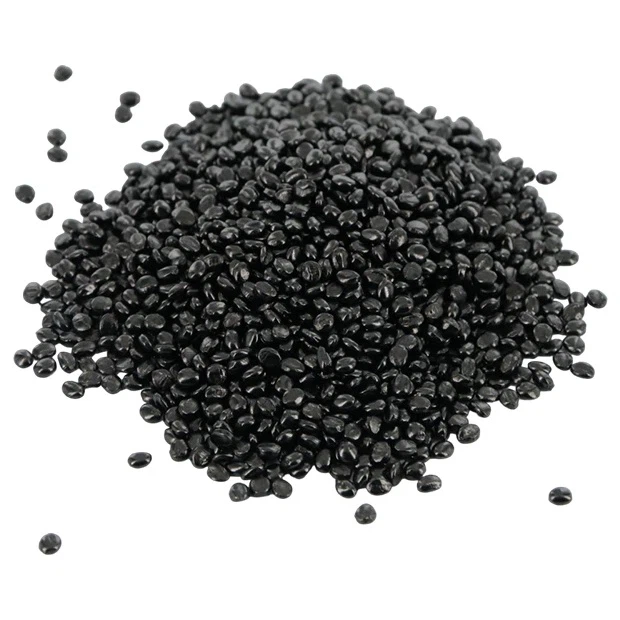
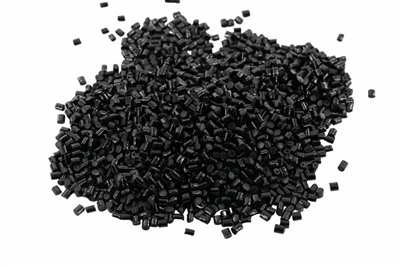

Hey there! As a supplier of Black Masterbatch for Toy, I've seen firsthand the challenges that come with preventing the agglomeration of black masterbatch in toys. Agglomeration can lead to uneven color distribution, poor mechanical properties, and even safety issues in toys. So, in this blog post, I'm going to share some tips on how to prevent the agglomeration of black masterbatch in toys.
Understanding Agglomeration
Before we dive into the prevention methods, let's first understand what agglomeration is. Agglomeration occurs when the black masterbatch particles clump together instead of dispersing evenly in the toy material. This can happen due to various reasons, such as poor dispersion during the mixing process, high shear forces, or incompatible materials.
Choosing the Right Black Masterbatch
The first step in preventing agglomeration is to choose the right black masterbatch for your toy application. Not all black masterbatches are created equal, and some are more prone to agglomeration than others. Look for a high-quality black masterbatch that is specifically designed for toy applications. These masterbatches are usually formulated with additives that help improve dispersion and prevent agglomeration.
When selecting a black masterbatch, consider the following factors:
- Particle Size: Smaller particle sizes generally result in better dispersion and less agglomeration. Look for a masterbatch with a narrow particle size distribution.
- Dispersion Additives: Some black masterbatches contain dispersion additives, such as surfactants or lubricants, which can help improve the dispersion of the masterbatch in the toy material.
- Compatibility: Make sure the black masterbatch is compatible with the toy material. Incompatible materials can lead to agglomeration and other issues.
Proper Mixing and Dispersion
Once you've chosen the right black masterbatch, the next step is to ensure proper mixing and dispersion. This is crucial for preventing agglomeration and achieving a uniform color distribution in the toys. Here are some tips for proper mixing and dispersion:
- Use a High-Shear Mixer: A high-shear mixer can help break up the agglomerates and disperse the black masterbatch particles evenly in the toy material. Make sure the mixer is properly calibrated and operated at the recommended speed and time.
- Pre-Disperse the Masterbatch: Before adding the black masterbatch to the toy material, it's a good idea to pre-disperse it in a small amount of the same material. This can help break up any large agglomerates and improve the overall dispersion.
- Mix for the Right Amount of Time: Mixing for too short a time can result in poor dispersion, while mixing for too long can cause overheating and degradation of the toy material. Follow the manufacturer's recommendations for mixing time and speed.
Controlling Processing Conditions
In addition to proper mixing and dispersion, controlling the processing conditions is also important for preventing agglomeration. Here are some factors to consider:
- Temperature: High temperatures can cause the black masterbatch to melt and agglomerate. Make sure the processing temperature is within the recommended range for the toy material and the black masterbatch.
- Shear Rate: High shear rates can also cause agglomeration. Make sure the shear rate is within the recommended range for the toy material and the black masterbatch.
- Moisture Content: Moisture can cause the black masterbatch to agglomerate. Make sure the toy material and the black masterbatch are dry before processing.
Storage and Handling
Proper storage and handling of the black masterbatch are also important for preventing agglomeration. Here are some tips:
- Store in a Cool, Dry Place: Exposure to heat and moisture can cause the black masterbatch to agglomerate. Store the masterbatch in a cool, dry place away from direct sunlight.
- Keep the Container Sealed: Make sure the container is tightly sealed to prevent moisture and air from entering.
- Use the Masterbatch within the Recommended Shelf Life: Over time, the black masterbatch may start to degrade and agglomerate. Make sure to use the masterbatch within the recommended shelf life.
Other Considerations
In addition to the above tips, there are a few other things to consider when preventing the agglomeration of black masterbatch in toys:
- Quality Control: Implement a quality control program to ensure that the black masterbatch and the toys meet the required standards. This can include testing for color consistency, dispersion, and mechanical properties.
- Training and Education: Provide training and education to your employees on the proper handling and processing of the black masterbatch. This can help prevent agglomeration and other issues.
- Continuous Improvement: Continuously evaluate and improve your processes to prevent agglomeration and other issues. This can include using new technologies, materials, or processes.
Conclusion
Preventing the agglomeration of black masterbatch in toys is crucial for achieving a uniform color distribution, good mechanical properties, and ensuring the safety of the toys. By choosing the right black masterbatch, ensuring proper mixing and dispersion, controlling the processing conditions, and following proper storage and handling procedures, you can minimize the risk of agglomeration and produce high-quality toys.
If you're interested in learning more about our Black Masterbatch for Toy or have any questions about preventing agglomeration, please don't hesitate to contact us. We're here to help you find the best solution for your toy application.


References
- "Plastics Additives Handbook" by Hans Zweifel
- "Dispersion of Pigments in Polymers" by John Wiley & Sons