

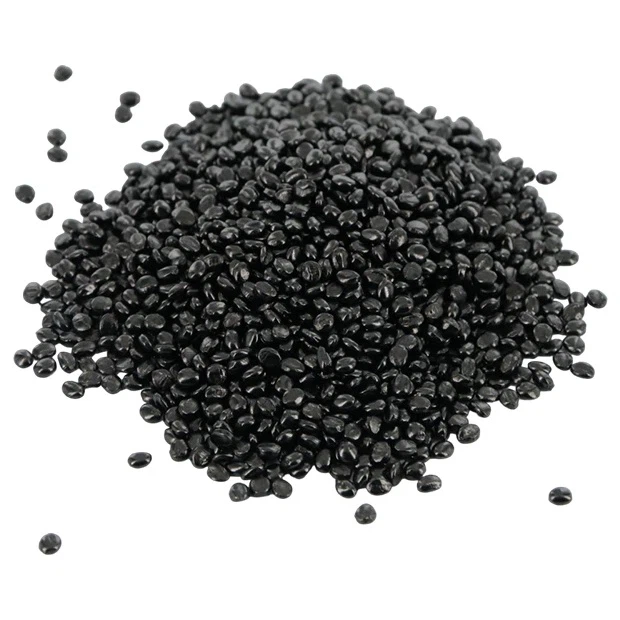
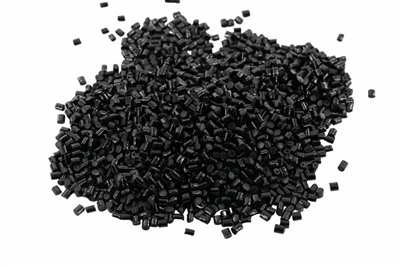

Yo! I'm a supplier of black masterbatch for mulch film, and today I wanna chat about something super important: the flexibility retention of mulch film with black masterbatch over time.
First off, let's understand what mulch film is and why black masterbatch matters. Mulch film is widely used in agriculture. It helps conserve soil moisture, control weeds, and regulate soil temperature. Black masterbatch is added to the mulch film to give it that dark color. This dark color is crucial as it absorbs sunlight, which in turn warms up the soil and also helps in weed control by blocking sunlight from reaching the weeds.
Now, let's dig into the flexibility retention part. Flexibility is a key property of mulch film. A flexible film is easier to install, it can conform to the shape of the soil surface better, and it's less likely to tear during handling. Over time, mulch film is exposed to various environmental factors like sunlight, temperature changes, and moisture. These factors can have a significant impact on the flexibility of the film.


Sunlight, especially ultraviolet (UV) rays, is one of the biggest culprits. UV rays can break down the polymer chains in the mulch film. When these chains break, the film becomes more brittle and loses its flexibility. Black masterbatch plays a role here. Good - quality black masterbatch can act as a UV absorber. It can shield the polymer matrix from the harmful effects of UV rays, thus helping to maintain the flexibility of the mulch film for a longer period.
Temperature changes also matter. In regions with large temperature fluctuations, the mulch film expands and contracts. If the film doesn't have good flexibility retention, it can crack or split. The black masterbatch can help in stabilizing the film's structure to some extent. It can enhance the film's ability to withstand these mechanical stresses caused by temperature - related expansion and contraction.
Moisture is another factor. When the mulch film gets wet, it can absorb water. This water absorption can sometimes lead to swelling and then a change in the film's mechanical properties. A mulch film with proper flexibility retention can resist these changes better. The black masterbatch can influence the film's hydrophobicity (water - repelling ability), reducing the amount of water absorbed and thus helping to maintain flexibility.
As a supplier of black masterbatch for mulch film, I've seen firsthand how different formulations of black masterbatch can affect the flexibility retention of the mulch film. We offer a range of black masterbatch products, like the Black Masterbatch for Agriculture Film. This particular masterbatch is designed specifically for agricultural mulch films. It contains high - quality carbon black and other additives that are carefully selected to enhance the film's UV resistance, mechanical properties, and of course, flexibility retention.
We also have Black Masterbatch for Blown Bottle. Although it's mainly for blown bottles, some of the technology and properties related to flexibility and durability can be relevant when thinking about the overall performance of polymer - based products. And for those in the food - related industry, we offer Food Contact Black Masterbatch, which meets strict safety standards while still providing good color and performance.
To test the flexibility retention of mulch film with our black masterbatch, we conduct a series of experiments. We expose the film samples to accelerated aging conditions that simulate real - world environmental factors. We measure the film's flexibility at different time intervals using a simple bend test. In this test, we bend the film to a certain angle and check for cracks or breaks. If the film can be bent multiple times without showing signs of damage, it indicates good flexibility retention.
In the early days of exposure, the film usually shows very good flexibility. But as time goes on, the environmental factors start to take their toll. However, with our black masterbatch, the rate of flexibility loss is significantly reduced compared to films without it or with lower - quality masterbatch.
Another aspect to consider is the cost - effectiveness. Some farmers might think that using a high - quality black masterbatch is expensive. But in the long run, it actually saves money. A mulch film with good flexibility retention lasts longer. This means less frequent replacement of the film, which in turn reduces labor and material costs. Also, a longer - lasting film can provide better agricultural benefits throughout the growing season, leading to potentially higher crop yields.
We're constantly researching and developing new formulations of black masterbatch to improve the flexibility retention of mulch film even further. We're looking at new types of carbon black, different additives, and better manufacturing processes. For example, we're exploring the use of nano - sized additives that can enhance the film's properties at a microscopic level.
If you're in the agriculture business and looking for a reliable black masterbatch for your mulch film, we'd love to have a chat with you. We can discuss your specific requirements, show you our product range, and provide samples for you to test. Our goal is to help you get the best - performing mulch film that meets your needs and budget.
In conclusion, the flexibility retention of mulch film with black masterbatch over time is a complex but crucial topic. The right black masterbatch can make a huge difference in the performance and longevity of the mulch film. So, if you're interested in learning more or starting a procurement discussion, don't hesitate to reach out.
References
- ASTM standards for polymer film testing
- Journal of Agricultural Engineering Research on mulch film performance
- Internal research reports on black masterbatch formulations