


As a seasoned supplier of PC black masterbatch, I've witnessed firsthand the dynamic nature of the market and the diverse needs of our clients. PC black masterbatch is a crucial component in various industries, offering excellent coloration and performance enhancements to polycarbonate (PC) products. In this blog, I'll delve into the price range of PC black masterbatch, exploring the factors that influence it and providing insights to help you make informed purchasing decisions.
Understanding PC Black Masterbatch
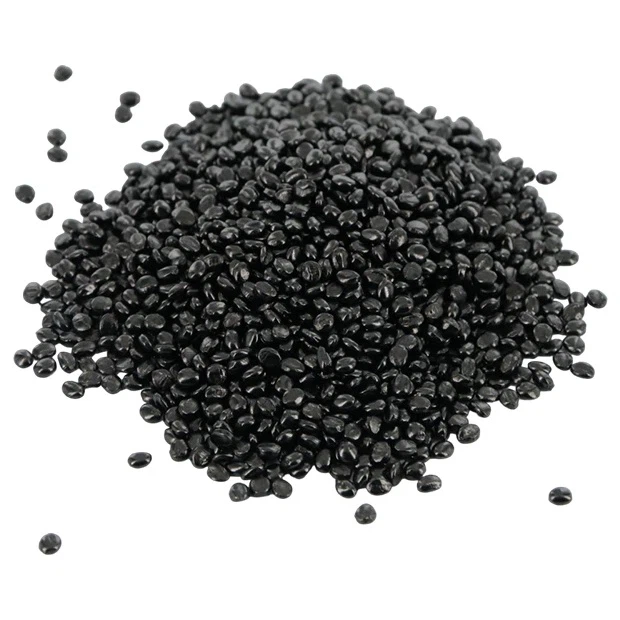
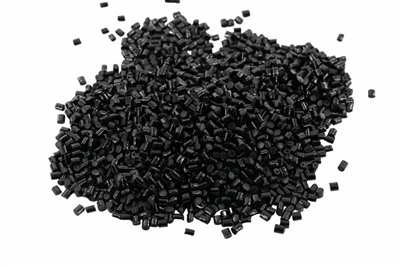
Before we dive into the price range, let's briefly understand what PC black masterbatch is. PC black masterbatch is a concentrated mixture of carbon black pigment and a carrier resin, specifically formulated for use in polycarbonate applications. It imparts a deep, rich black color to PC products while also improving their UV resistance, mechanical properties, and processability.
PC black masterbatch is widely used in industries such as automotive, electronics, electrical, and consumer goods. It can be found in products like automotive interior components, electronic device housings, electrical connectors, and household appliances.
Factors Affecting the Price of PC Black Masterbatch
The price of PC black masterbatch can vary significantly depending on several factors. Here are some of the key factors that influence the price:


1. Quality of Carbon Black
The quality of carbon black used in the masterbatch is one of the most important factors affecting its price. High-quality carbon black with a fine particle size, high surface area, and good dispersion properties will result in a better-quality masterbatch. These types of carbon black are more expensive to produce, which in turn increases the price of the masterbatch.
2. Concentration of Carbon Black
The concentration of carbon black in the masterbatch also affects its price. Higher concentrations of carbon black generally result in a more intense black color and better performance. However, producing masterbatch with a higher carbon black concentration requires more raw materials and may involve more complex manufacturing processes, which can increase the cost.
3. Carrier Resin
The choice of carrier resin can also impact the price of PC black masterbatch. Different carrier resins have different properties and costs. For example, using a high-performance carrier resin that is compatible with PC and offers excellent dispersion and processing characteristics may be more expensive than using a standard carrier resin.
4. Additives and Special Features
Some PC black masterbatches may contain additives or special features to enhance their performance. For example, additives such as UV stabilizers, antioxidants, and flame retardants can improve the weatherability, thermal stability, and fire resistance of the masterbatch. These additives can increase the cost of the masterbatch.
5. Production Volume
The production volume of the masterbatch can also affect its price. Larger production volumes often result in lower unit costs due to economies of scale. Suppliers may offer discounts for bulk orders, so it's worth considering the quantity you need when comparing prices.
6. Market Conditions
Like any other product, the price of PC black masterbatch is also influenced by market conditions. Factors such as supply and demand, raw material prices, and competition can all impact the market price. For example, if there is a shortage of carbon black or other raw materials, the price of the masterbatch may increase.
Price Range of PC Black Masterbatch
Based on the factors mentioned above, the price range of PC black masterbatch can vary widely. Generally, the price can range from $[X] to $[X] per kilogram. However, it's important to note that these are just rough estimates, and the actual price may be higher or lower depending on the specific requirements and market conditions.
For low-quality or standard PC black masterbatch with a relatively low carbon black concentration and basic performance, the price may be on the lower end of the range. On the other hand, high-quality masterbatch with a high carbon black concentration, special additives, and excellent performance may command a higher price.
Comparing Different Types of Black Masterbatch
In addition to PC black masterbatch, there are other types of black masterbatch available in the market, such as No Carrier Black Masterbatch, PP Black Masterbatch, and PA Black Masterbatch. Each type of masterbatch is designed for specific applications and has its own price range.
- No Carrier Black Masterbatch: This type of masterbatch does not contain a carrier resin, which makes it suitable for applications where the carrier resin may interfere with the performance of the final product. No carrier black masterbatch is often used in applications such as fiber spinning and film extrusion. The price of no carrier black masterbatch can be higher than that of standard masterbatch due to the additional processing steps required.
- PP Black Masterbatch: PP black masterbatch is specifically formulated for use in polypropylene (PP) applications. It offers excellent coloration and performance in PP products. The price of PP black masterbatch is generally lower than that of PC black masterbatch due to the lower cost of the carrier resin.
- PA Black Masterbatch: PA black masterbatch is designed for use in polyamide (PA) applications. It provides good color dispersion and mechanical properties in PA products. The price of PA black masterbatch can vary depending on the quality of the carbon black and the specific requirements of the application.
Making an Informed Purchasing Decision
When purchasing PC black masterbatch, it's important to consider not only the price but also the quality and performance of the product. Here are some tips to help you make an informed purchasing decision:
1. Define Your Requirements
Before you start looking for a supplier, clearly define your requirements for the PC black masterbatch. Consider factors such as the desired color intensity, carbon black concentration, performance requirements, and processing conditions. This will help you narrow down your options and find a masterbatch that meets your specific needs.
2. Research Suppliers
Do some research to find reputable suppliers of PC black masterbatch. Look for suppliers with a proven track record of providing high-quality products and excellent customer service. You can check online reviews, industry forums, and trade shows to get recommendations from other customers.
3. Request Samples
Once you've identified a few potential suppliers, request samples of their PC black masterbatch. This will allow you to evaluate the quality and performance of the product firsthand. Test the samples in your actual production process to ensure that they meet your requirements.
4. Compare Prices and Quotes
Obtain quotes from multiple suppliers and compare the prices. However, don't just focus on the price alone. Consider the quality, performance, and additional services offered by each supplier. Look for a supplier that offers a good balance between price and quality.
5. Consider Long-Term Partnerships
Building a long-term partnership with a reliable supplier can be beneficial in the long run. A good supplier will understand your needs, provide consistent quality products, and offer technical support when needed. Look for a supplier that is willing to work with you to develop customized solutions and improve your production processes.
Contact Us for PC Black Masterbatch
If you're in the market for high-quality PC black masterbatch, we'd love to hear from you. As a leading supplier of PC black masterbatch, we offer a wide range of products to meet your specific needs. Our team of experts can help you choose the right masterbatch for your application and provide you with competitive pricing and excellent customer service.
Contact us today to discuss your requirements and get a quote. We look forward to working with you to achieve your production goals.
References
- "Plastics Additives Handbook" by Hans Zweifel
- "Masterbatch Technology and Applications" by John Murphy
- Industry reports and market research studies on black masterbatch