


What is the recommended processing temperature for black masterbatch in film blown?
As a supplier of black masterbatch for film blown, I've encountered numerous inquiries regarding the optimal processing temperature for our product. This parameter is crucial as it directly impacts the quality, performance, and appearance of the final blown film. In this blog, I'll delve into the factors influencing the recommended processing temperature and provide some practical guidelines.
Understanding Black Masterbatch for Film Blown
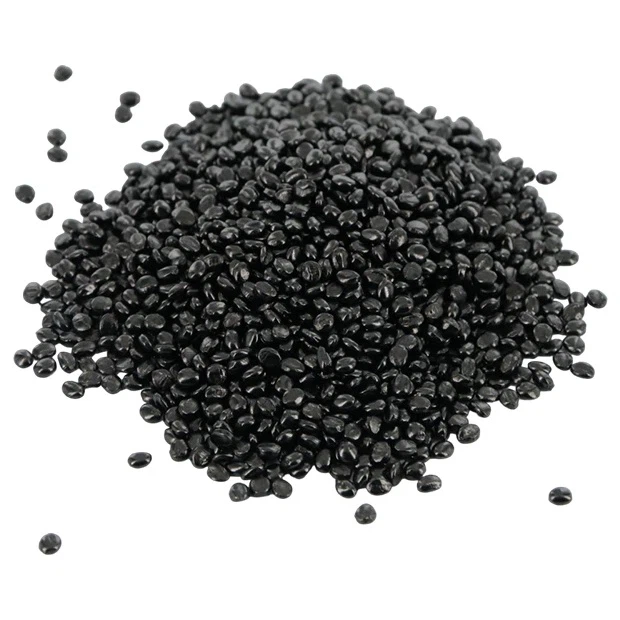
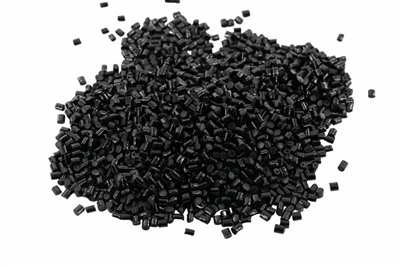
Black masterbatch is a concentrated mixture of carbon black pigment and a carrier resin. When used in film blown processes, it imparts a deep black color to the film, enhances its UV resistance, and can also improve mechanical properties. The carrier resin in our black masterbatch is carefully selected to ensure compatibility with various base polymers used in film production, such as polyethylene (PE), polypropylene (PP), and others.


Factors Affecting the Recommended Processing Temperature
- Carrier Resin Melting Point
The melting point of the carrier resin in the black masterbatch is a primary factor in determining the processing temperature. For example, if the carrier resin is a low - density polyethylene (LDPE), which typically has a melting point range of 105 - 115°C, the processing temperature should be set high enough to fully melt the carrier resin. This allows for proper dispersion of the carbon black pigment throughout the base polymer during the film blown process. - Base Polymer Characteristics
The base polymer used in the film blown process also plays a significant role. Different polymers have different melting points and processing temperature ranges. For instance, high - density polyethylene (HDPE) has a higher melting point (around 125 - 135°C) compared to LDPE. When using our black masterbatch with HDPE, the processing temperature needs to be adjusted accordingly to ensure good mixing and dispersion. - Carbon Black Dispersion Requirements
Carbon black particles need to be well - dispersed in the polymer matrix to achieve a uniform black color and optimal performance. Higher processing temperatures can sometimes facilitate better dispersion, as the polymer becomes more fluid. However, excessive temperatures can also cause degradation of the polymer and the masterbatch, leading to issues such as discoloration, reduced mechanical properties, and surface defects in the film.
Recommended Processing Temperature Ranges
- For LDPE Films
When using our black masterbatch in LDPE film blown processes, the recommended processing temperature typically ranges from 160 - 200°C. This temperature range ensures that both the carrier resin in the masterbatch and the LDPE base polymer are fully melted, allowing for efficient dispersion of the carbon black. At these temperatures, the film can be blown smoothly, and the final product will have a consistent black color and good mechanical properties. - For HDPE Films
For HDPE films, the processing temperature should be higher, usually between 180 - 220°C. The higher temperature is necessary to melt the HDPE base polymer, which has a higher melting point than LDPE. Within this temperature range, our black masterbatch can be effectively incorporated into the HDPE matrix, resulting in a high - quality black film with excellent UV resistance. - For PP Films
When working with polypropylene (PP) films, the recommended processing temperature for our black masterbatch is around 200 - 240°C. PP has a relatively high melting point, and this temperature range ensures proper melting and dispersion of the masterbatch and the base polymer. The resulting PP films will have a rich black color and good physical properties.
Importance of Controlling Processing Temperature
Maintaining the recommended processing temperature is essential for several reasons. Firstly, it ensures consistent product quality. A uniform processing temperature throughout the film blown process results in films with a consistent color, thickness, and mechanical properties. Secondly, it helps to avoid production issues. For example, if the temperature is too low, the masterbatch may not disperse properly, leading to streaks or uneven color in the film. On the other hand, if the temperature is too high, the polymer may degrade, resulting in a loss of strength and other performance characteristics.
Applications of Our Black Masterbatch
Our black masterbatch is suitable for a wide range of film applications. For sunshade nets, it provides excellent UV protection and a deep black color. You can find more information about our Black Masterbatch for Sunshade Net. It is also used in pipe manufacturing, where it enhances the UV resistance and appearance of the pipes. Check out our Black Masterbatch for Pipe. Additionally, our black masterbatch can be used in the production of PP tableware, offering a safe and aesthetically pleasing black color. Learn more about our Black Masterbatch for PP Tableware.
Practical Tips for Processing
- Pre - drying the Masterbatch
In some cases, especially in humid environments, pre - drying the black masterbatch can be beneficial. This helps to remove any moisture, which can cause issues such as bubbling or voids in the film during the processing. - Gradual Temperature Increase
When starting the film blown process, it is advisable to gradually increase the temperature to the recommended range. This allows the polymer and the masterbatch to heat up evenly and reduces the risk of thermal shock and degradation. - Monitoring and Adjusting
Regularly monitor the processing temperature during the production process. Small adjustments may be necessary based on factors such as the ambient temperature, the speed of the film blown machine, and the specific batch of materials being used.
Contact Us for More Information
If you are involved in the film blown industry and are considering using our black masterbatch, we would be more than happy to discuss your specific requirements. Our team of experts can provide detailed technical support and guidance on the optimal processing temperature for your particular application. Whether you need assistance with setting up a new production line or improving the quality of your existing films, we are here to help. Contact us today to start a procurement discussion and take your film production to the next level.
References
- "Plastics Processing Technology" by John A. Brydson. This book provides in - depth knowledge about the processing of various polymers, including factors affecting processing temperatures.
- "Carbon Black: Production, Properties, and Applications" by R. A. Donnet, J. Bansal, and M. Wang. It offers detailed information on the dispersion of carbon black in polymers and the impact of processing conditions.
- Industry reports from leading polymer and masterbatch manufacturers, which often contain practical guidelines on processing temperatures for different polymer - masterbatch combinations.