

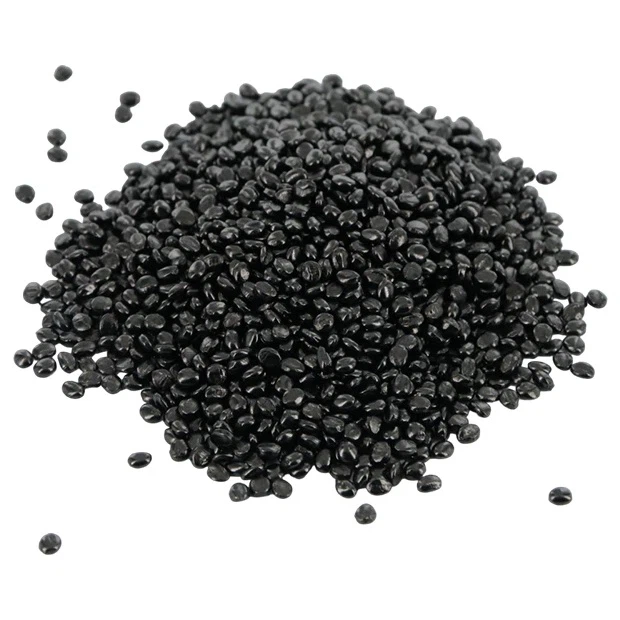
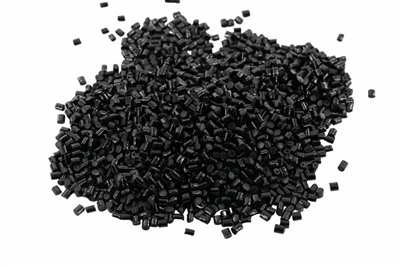

The scratch resistance of black masterbatch for filament is a crucial property that significantly impacts the performance and durability of the final products. As a leading supplier of black masterbatch for filament, we understand the importance of this characteristic and have conducted extensive research to provide high - quality solutions to our customers.
Understanding Black Masterbatch for Filament
Black masterbatch for filament is a concentrated mixture of carbon black pigment and a carrier resin. It is used to impart a deep black color to filaments, which are then used in various applications such as 3D printing, textile fibers, and plastic products. The quality of the black masterbatch directly affects the appearance, mechanical properties, and scratch resistance of the filaments.
Factors Affecting Scratch Resistance
Carbon Black Quality
The quality of carbon black used in the black masterbatch plays a vital role in determining scratch resistance. High - quality carbon black particles are smaller and more uniformly dispersed in the carrier resin. This uniform dispersion creates a more homogeneous structure in the filament, which can better withstand scratching. For example, furnace carbon black is known for its excellent dispersibility and high tinting strength, making it a popular choice for high - performance black masterbatches.
Carrier Resin Compatibility
The compatibility between the carbon black and the carrier resin is also essential. If the carrier resin does not have good affinity with the carbon black, it can lead to poor dispersion and agglomeration of the carbon black particles. This can result in weak points in the filament structure, making it more susceptible to scratches. Our black masterbatch is formulated with carefully selected carrier resins that have excellent compatibility with the carbon black, ensuring a high - quality and scratch - resistant product.
Additives
Additives can be incorporated into the black masterbatch to enhance scratch resistance. For instance, lubricants can reduce the friction between the filament surface and external objects, thereby minimizing the likelihood of scratches. Anti - block agents can also prevent the filaments from sticking together during processing and storage, which can reduce the risk of surface damage.
Testing Scratch Resistance
There are several methods to test the scratch resistance of black masterbatch for filament. One common method is the Taber abrasion test. In this test, a sample of the filament is subjected to a rotating abrasive wheel under a specific load. The amount of material removed after a certain number of rotations is measured, and this value is used to evaluate the scratch resistance of the filament.
Another method is the pencil hardness test. A series of pencils with different hardness levels are used to scratch the surface of the filament. The hardest pencil that does not leave a visible scratch on the surface is recorded as the pencil hardness of the filament, which is an indication of its scratch resistance.
Applications and the Importance of Scratch Resistance
3D Printing
In 3D printing, scratch resistance is crucial for the final appearance and functionality of the printed objects. Objects printed with filaments containing scratch - resistant black masterbatch are less likely to show surface damage during handling, transportation, and use. This is particularly important for applications where the aesthetics of the printed object are critical, such as consumer products and architectural models.
Textile Fibers
For textile fibers, scratch resistance can improve the durability of the fabric. Fibers made with scratch - resistant black masterbatch can withstand the friction and abrasion during the weaving process, as well as the wear and tear during daily use. This results in longer - lasting and better - looking textiles.
Plastic Products
In plastic products, scratch resistance enhances the overall quality and marketability of the items. Products with scratch - resistant surfaces are more attractive to consumers, as they maintain their appearance over time. For example, plastic automotive parts, electronic device casings, and household appliances made with our black masterbatch for filament can resist scratches from normal use, providing a better user experience.


Our Solutions as a Supplier
As a professional supplier of black masterbatch for filament, we offer a range of products with excellent scratch resistance. Our research and development team is constantly working on improving the formulation of our masterbatches to meet the ever - increasing demands of our customers.
We use the latest manufacturing techniques to ensure the uniform dispersion of carbon black in the carrier resin. This results in filaments with a consistent and high - quality appearance, as well as superior scratch resistance. Our products are also tested rigorously using advanced testing equipment to guarantee their performance.
In addition to our standard products, we also offer customized solutions. We can work closely with our customers to develop black masterbatches with specific scratch resistance requirements based on their unique applications. Whether you need a masterbatch for a high - end consumer product or an industrial application, we have the expertise and resources to provide you with the right solution.
Related Products
We also offer other types of black masterbatches for different applications. For granulation, our Black Masterbatch For Granulation provides excellent color dispersion and processing performance. For stretch film applications, our Black Masterbatch for Strech Film offers high strength and good scratch resistance. And for sheet production, our Black Masterbatch for Sheet is designed to meet the specific requirements of the sheet - making process.
Conclusion
The scratch resistance of black masterbatch for filament is a complex property that is influenced by multiple factors. As a supplier, we are committed to providing high - quality products with excellent scratch resistance to meet the diverse needs of our customers. If you are interested in our black masterbatch products or have specific requirements for scratch resistance, please feel free to contact us for further discussion and procurement negotiation. We look forward to working with you to achieve your goals.
References
- ASTM D4060 - 19 Standard Test Method for Abrasion Resistance of Organic Coatings by the Taber Abraser.
- ASTM D3363 - 05(2011) Standard Test Method for Film Hardness by Pencil Test.
- "Plastic Additives Handbook" by Hans Zweifel.