

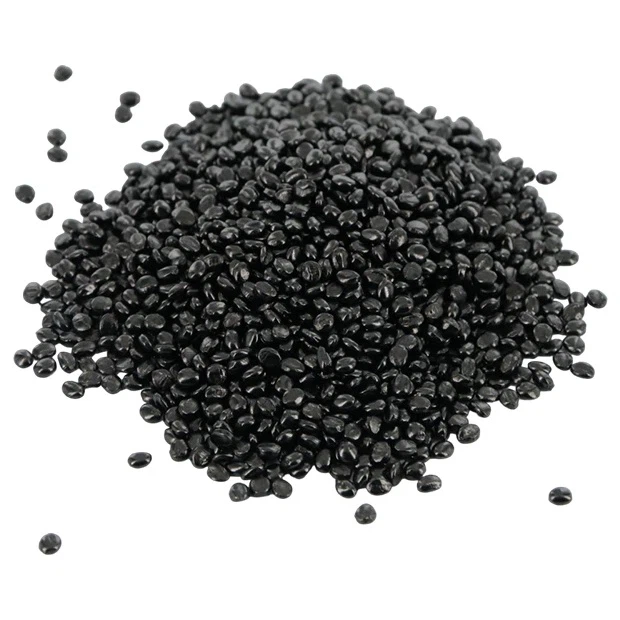
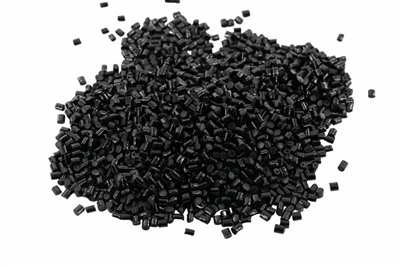

When it comes to granulation using black masterbatch, the screw design in granulation equipment plays a pivotal role. As a supplier of black masterbatch for granulation, we have witnessed firsthand the significance of a well - designed screw in achieving high - quality granulation results. In this blog, we will delve into the key requirements for screw design in granulation equipment when using black masterbatch.
1. Material Compatibility
Black masterbatch is a concentrated form of black pigment in a carrier resin. It is crucial that the screw material is compatible with both the carrier resin of the black masterbatch and the base polymer being used in the granulation process. For example, if the carrier resin in the black masterbatch is polyethylene (PE) and the base polymer is polypropylene (PP), the screw material should be able to resist corrosion and wear caused by these polymers. Stainless steel is a popular choice for screw manufacturing as it offers good corrosion resistance and can withstand the high - temperature and high - pressure conditions in the granulation process. The compatibility also ensures that there is no contamination of the black masterbatch during the mixing and melting process, which is essential for maintaining the quality of the final granules.
2. Mixing Efficiency
One of the primary functions of the screw in granulation equipment is to mix the black masterbatch uniformly with the base polymer. A well - designed screw should have a high mixing efficiency to ensure that the black pigment is evenly distributed throughout the polymer matrix. This is important for achieving consistent color and performance in the final granules.
To enhance mixing efficiency, the screw can be designed with specific elements such as mixing sections. These sections may include pins, kneading blocks, or other geometries that disrupt the flow of the polymer melt and promote better mixing. For instance, kneading blocks are commonly used in screw design. They consist of a series of staggered discs that shear and mix the polymer melt as it passes through. This helps to break up any agglomerates of black masterbatch and disperse the pigment more evenly.


The length - to - diameter (L/D) ratio of the screw also affects mixing efficiency. A higher L/D ratio generally provides more time and surface area for the black masterbatch and the base polymer to mix. However, an excessively high L/D ratio can lead to longer residence times, which may cause thermal degradation of the polymers. Therefore, an optimal L/D ratio needs to be determined based on the specific characteristics of the black masterbatch and the base polymer.
3. Melting Capacity
The screw must be capable of melting the black masterbatch and the base polymer effectively. Black masterbatch often contains additives and pigments that can affect its melting behavior. The screw design should take into account the melting point and viscosity of the black masterbatch and the base polymer.
A screw with a proper compression ratio is essential for melting. The compression ratio is the ratio of the volume of the polymer at the feed section to the volume at the metering section of the screw. A higher compression ratio can generate more heat through shear, which helps to melt the polymers more quickly. However, too high a compression ratio can also cause excessive shear stress, leading to polymer degradation.
The screw should also have a sufficient flight depth and pitch to ensure a smooth flow of the polymer melt. A shallow flight depth can increase the shear rate, which is beneficial for melting, but it may also restrict the flow of the polymer. On the other hand, a large pitch can increase the throughput but may reduce the melting efficiency. Therefore, a balance needs to be struck between flight depth, pitch, and compression ratio to achieve optimal melting capacity.
4. Wear Resistance
The granulation process involves high - speed rotation of the screw and the flow of abrasive polymer melts. As a result, the screw is subject to significant wear. When using black masterbatch, the pigments and additives in it can further increase the abrasiveness of the polymer melt. Therefore, the screw needs to have good wear resistance to ensure a long service life.
Surface treatments such as nitriding, chrome plating, or the use of hard - facing materials can be applied to the screw to enhance its wear resistance. Nitriding forms a hard nitride layer on the surface of the screw, which can significantly improve its hardness and wear resistance. Chrome plating provides a smooth and hard surface that reduces friction and wear. Hard - facing materials, such as tungsten carbide, can be welded onto the screw surface in areas that are most prone to wear, such as the flight edges.
5. Throughput and Output Quality
The screw design should be optimized to achieve a high throughput while maintaining the quality of the final granules. A high throughput is important for meeting production demands, but it should not come at the expense of product quality.
The pitch and diameter of the screw can be adjusted to control the throughput. A larger pitch and diameter generally allow for a higher flow rate of the polymer melt, increasing the throughput. However, as mentioned earlier, these parameters also affect mixing and melting efficiency. Therefore, a comprehensive design approach is needed to balance throughput and output quality.
In addition, the screw design should be able to handle different production volumes. For small - scale production, a screw with a smaller diameter and a more compact design may be sufficient. For large - scale production, a larger screw with higher capacity may be required.
6. Adaptability to Different Black Masterbatch Types
As a supplier of black masterbatch for granulation, we offer a variety of products, such as Black Masterbatch for PP Tableware, Black Masterbatch for Shopping Bag, and Black Masterbatch for Toy. Each type of black masterbatch may have different characteristics, such as different carrier resins, pigment concentrations, and additive packages.
The screw in the granulation equipment should be adaptable to these different types of black masterbatch. For example, black masterbatch for food - contact applications like PP tableware may require a more hygienic screw design to prevent contamination. Black masterbatch for shopping bags may need a screw that can handle a higher throughput due to the large - scale production requirements. And black masterbatch for toys may need to ensure a very high - quality mixing and dispersion to meet the strict safety and aesthetic requirements.
Conclusion
In conclusion, the screw design in granulation equipment when using black masterbatch is a complex and crucial aspect of the granulation process. It needs to meet various requirements, including material compatibility, mixing efficiency, melting capacity, wear resistance, throughput and output quality, and adaptability to different black masterbatch types. As a supplier of black masterbatch for granulation, we understand the importance of these factors and are committed to working with our customers to ensure that their granulation equipment is optimized for using our products.
If you are interested in our black masterbatch products or have any questions about the granulation process, please feel free to contact us for further discussion and potential procurement. We are ready to provide you with the best solutions for your granulation needs.
References
- "Plastics Extrusion Technology" by Allan A. Griff.
- "Polymer Processing: Principles and Design" by Christopher Rauwendaal.