


Hey there! I'm a supplier of black masterbatch for film blown. You know, black masterbatch is super important in the film blowing industry. It not only gives the film that cool black color but also affects its overall performance. So, how can you test the quality of black masterbatch for film blown? Let's dive right in.
Appearance and Basic Inspection
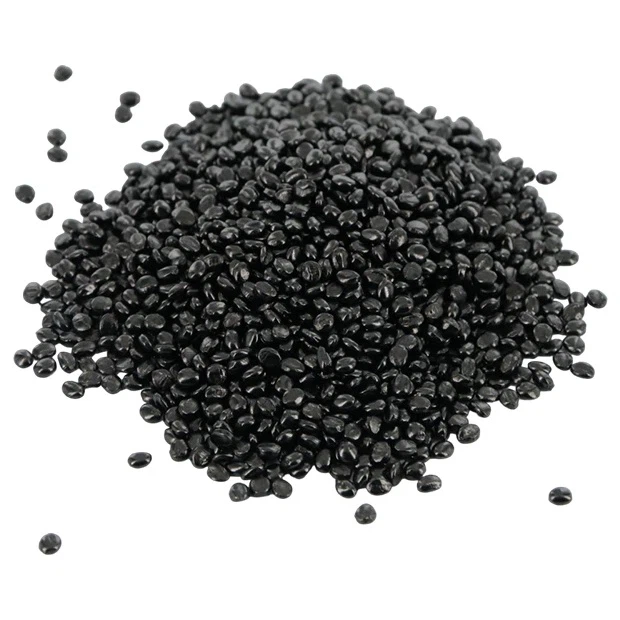
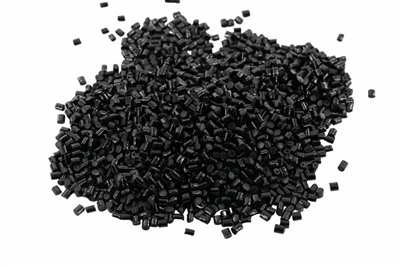
First off, let's start with the most obvious - the appearance. Take a good look at the black masterbatch pellets. They should be uniform in size and shape. If you see a bunch of irregularly sized pellets, that could be a red flag. The color of the pellets should be a deep, consistent black. Any signs of discoloration, like patches of lighter or darker black, might indicate some issues with the manufacturing process.
You can also do a simple touch test. The pellets should feel smooth and not sticky. Sticky pellets could mean there's some excess binder or other contaminants in the masterbatch. And if you notice any dust or powder on the pellets, it could suggest that the masterbatch is breaking down or that there were problems during the production and packaging.
Dispersion Test
One of the most crucial aspects of black masterbatch is how well it disperses in the polymer matrix. A poor dispersion can lead to streaks, spots, and uneven coloring in the blown film. To test the dispersion, you can do a simple melt - mixing test.
Get a small sample of the polymer resin that you'll be using for film blowing and mix it with a small amount of the black masterbatch. You can use a small twin - screw extruder or a simple laboratory mixer for this. Heat the mixture to the appropriate melting temperature for the polymer.
Once the mixture is melted and well - blended, you can use a microscope to examine a thin section of the cooled sample. Look for any agglomerates or undispersed particles of the black masterbatch. If you see large clumps, it means the dispersion of the masterbatch is not good. Ideally, the black pigment should be evenly distributed throughout the polymer matrix, with no visible clusters.
Color Strength and Consistency
Color strength is another key factor. You want your blown film to have a rich, deep black color that meets your customers' requirements. To test the color strength, you can compare the color of the blown film made with the black masterbatch against a standard color sample.


There are colorimeters available that can measure the color accurately. These devices can give you numerical values for parameters like lightness, chroma, and hue. By comparing the values of your sample film with the standard, you can determine if the color strength of the black masterbatch is up to par.
Consistency is also important. You don't want the color of the film to vary from one batch to another. To check for color consistency, you can make multiple samples of the blown film using different batches of the black masterbatch. Then, use the colorimeter to measure the color of each sample. The color values should be within an acceptable range of variation. If there are significant differences in color between batches, it could be a sign of inconsistent quality in the masterbatch production.
UV Resistance Test
For films that will be exposed to sunlight or UV radiation, UV resistance is a must. A black masterbatch with poor UV resistance can cause the film to fade, become brittle, and lose its mechanical properties over time.
You can simulate UV exposure in a laboratory using a UV chamber. Cut small samples of the blown film made with the black masterbatch and place them in the chamber. Set the chamber to mimic the intensity and duration of UV exposure that the film might experience in real - world conditions.
After a certain period of exposure, check the appearance and mechanical properties of the samples. Look for signs of color fading, cracking, or loss of flexibility. You can also measure the change in color using a colorimeter and the change in mechanical properties like tensile strength and elongation at break. If the film shows significant degradation after UV exposure, the black masterbatch may not have good UV resistance.
Thermal Stability Test
During the film blowing process, the polymer - masterbatch mixture is exposed to high temperatures. The black masterbatch needs to be thermally stable to avoid decomposition, which can lead to gas formation, discoloration, and poor film quality.
To test the thermal stability, you can use a thermogravimetric analyzer (TGA). Take a small sample of the black masterbatch and heat it at a controlled rate in the TGA. The analyzer will measure the weight loss of the sample as it is heated.
If the masterbatch starts to lose weight at relatively low temperatures, it indicates that it is not thermally stable. A good black masterbatch should have a high onset temperature of decomposition, meaning it can withstand the high temperatures of the film blowing process without significant degradation.
Compatibility with Polymer Resins
Not all black masterbatches are compatible with every type of polymer resin. Compatibility issues can lead to problems like poor adhesion, reduced mechanical properties, and delamination in the blown film.
To test compatibility, you can make a series of blown film samples using different combinations of the black masterbatch and polymer resins. For example, if you're considering using the masterbatch with polyethylene (PE) and polypropylene (PP), make samples with both resins.
Examine the appearance and mechanical properties of the samples. Look for signs of phase separation, such as a rough or uneven surface, or a decrease in tensile strength and elongation at break. If the film made with a particular resin - masterbatch combination shows these problems, it could indicate a compatibility issue.
Impact on Mechanical Properties
The addition of black masterbatch should not significantly reduce the mechanical properties of the blown film. You can test the tensile strength, elongation at break, and tear resistance of the blown film made with the black masterbatch.
Use a tensile testing machine to measure the force required to break the film sample and the amount of elongation it can withstand before breaking. Compare these values with the properties of the pure polymer film (without the masterbatch). A good black masterbatch should cause only a minimal reduction in these mechanical properties.
If you notice a significant drop in the mechanical properties, it could be due to factors like poor dispersion, incompatibility, or the presence of contaminants in the masterbatch.
Product Recommendations
We offer a range of high - quality black masterbatches for different applications. For instance, if you're in the business of making PP tableware, our Black Masterbatch for PP Tableware is a great choice. It has excellent dispersion and color consistency, ensuring that your tableware looks great.
If you're into garbage bag production, our Black Masterbatch for Garbage Bag is designed to provide strong color and good mechanical properties, so your garbage bags can withstand the rigors of everyday use.
And for foaming applications, our Black Masterbatch for Foaming is formulated to disperse well in the foaming polymer and give a uniform black color to the foamed product.
Conclusion
Testing the quality of black masterbatch for film blown is a multi - step process that involves checking various aspects like appearance, dispersion, color strength, UV resistance, thermal stability, compatibility, and impact on mechanical properties. By conducting these tests, you can ensure that you're using a high - quality masterbatch that will result in a great - looking and high - performing blown film.
If you're interested in purchasing our black masterbatch or have any questions about the quality testing or our products, feel free to reach out. We're always happy to help you find the right solution for your film blowing needs.
References
- "Plastics Additives Handbook" by Hans Zweifel
- "Polymer Blends and Composites" by Anil K. Bhowmick and H. L. Stephens
- Journal articles on polymer processing and masterbatch technology from sources like Polymer Engineering and Science.