


Hey there! I'm a supplier of no carrier black masterbatch, and I've been getting a lot of questions lately about the environmental regulations surrounding its use. So, I thought I'd take a moment to break it down for you.
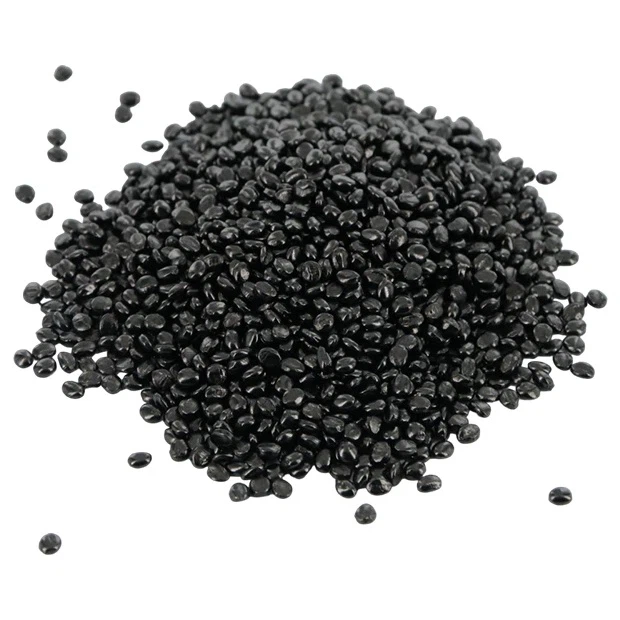
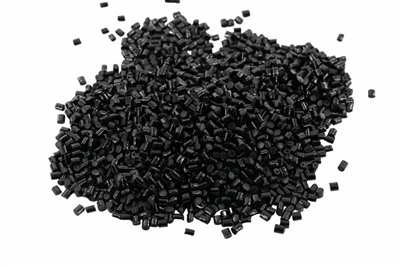
First off, let's talk about what no carrier black masterbatch is. It's a highly concentrated form of carbon black that's used to color plastics. Unlike traditional masterbatches, it doesn't contain a carrier resin, which makes it more environmentally friendly. It's also more cost - effective and offers better dispersion in the plastic matrix.
Now, onto the environmental regulations. The use of no carrier black masterbatch is subject to a variety of regulations at both the national and international levels. These regulations are put in place to protect the environment and human health.
International Regulations
One of the most well - known international agreements is the REACH (Registration, Evaluation, Authorization and Restriction of Chemicals) regulation in the European Union. REACH aims to ensure a high level of protection of human health and the environment from the risks that can be posed by chemicals. For no carrier black masterbatch, this means that the carbon black used in its production must be registered with the European Chemicals Agency (ECHA). The registration process involves providing detailed information about the chemical's properties, uses, and potential risks.
Another important international consideration is the United Nations' Globally Harmonized System of Classification and Labelling of Chemicals (GHS). The GHS provides a standardized approach to classifying chemicals according to their health, physical, and environmental hazards. No carrier black masterbatch suppliers need to ensure that their products are correctly classified and labeled according to the GHS criteria. This includes providing information about any potential risks associated with the product, such as its flammability, toxicity, or environmental impact.


National Regulations
In the United States, the Environmental Protection Agency (EPA) regulates the use of chemicals, including those used in no carrier black masterbatch. The EPA has established rules and guidelines to control the release of pollutants into the environment. For example, the Clean Air Act regulates emissions of air pollutants, and the Clean Water Act regulates discharges into water bodies.
If you're using no carrier black masterbatch in a manufacturing process, you need to make sure that your operations comply with these regulations. This might involve installing pollution control equipment, monitoring emissions, and reporting your environmental performance to the EPA.
In Asia, countries like China have also been tightening their environmental regulations in recent years. The Chinese government has been cracking down on pollution and has introduced strict standards for the chemical industry. As a no carrier black masterbatch supplier, I've had to make sure that my production processes meet these new standards. This includes reducing waste, improving energy efficiency, and ensuring that the carbon black used in my products is of high quality and low in impurities.
Industry - Specific Regulations
The automotive industry is one of the major consumers of no carrier black masterbatch. When it comes to using Black Masterbatch for Automotive, there are additional regulations. Automotive manufacturers need to meet strict safety and environmental standards. For example, the materials used in car interiors must be non - toxic and resistant to heat and UV radiation. No carrier black masterbatch used in automotive applications must also be able to withstand the harsh conditions of the automotive manufacturing process, such as high - temperature molding.
Similarly, in the electronics industry, which uses ABS Black Masterbatch and PC Black Masterbatch, there are regulations regarding the use of hazardous substances. The Restriction of Hazardous Substances Directive (RoHS) in the EU restricts the use of certain hazardous materials, such as lead, mercury, and cadmium, in electronic products. No carrier black masterbatch suppliers need to ensure that their products are RoHS - compliant.
How I Ensure Compliance
As a supplier, I take environmental regulations very seriously. I work closely with my raw material suppliers to ensure that the carbon black I use is of the highest quality and meets all the relevant environmental standards. I also have a quality control system in place to test my products regularly. This includes testing for impurities, dispersion, and color consistency.
I invest in research and development to improve the environmental performance of my no carrier black masterbatch. For example, I'm constantly looking for ways to reduce the energy consumption in my production process and to minimize waste. I also work with my customers to help them understand the environmental regulations and how to use my products in a compliant way.
Why Compliance Matters
Complying with environmental regulations isn't just about avoiding fines and legal trouble. It's also about doing the right thing for the environment and for future generations. By using no carrier black masterbatch that meets strict environmental standards, we can reduce the environmental impact of plastic production. This includes reducing air and water pollution, conserving resources, and minimizing the release of hazardous substances into the environment.
Moreover, consumers are becoming more environmentally conscious. They're more likely to choose products that are made with environmentally friendly materials. By offering compliant no carrier black masterbatch, I can help my customers meet the growing demand for sustainable products.
Contact for Purchase and Discussion
If you're in the market for high - quality no carrier black masterbatch and want to learn more about how it can fit into your production process while complying with environmental regulations, I'd love to hear from you. Whether you're in the automotive, electronics, or any other industry that uses plastic coloring, I can provide you with the right product and the support you need. Reach out to me, and let's start a conversation about your specific requirements.
References
- European Chemicals Agency (ECHA). REACH Regulation.
- United Nations. Globally Harmonized System of Classification and Labelling of Chemicals (GHS).
- United States Environmental Protection Agency (EPA). Clean Air Act and Clean Water Act.
- Restriction of Hazardous Substances Directive (RoHS).