

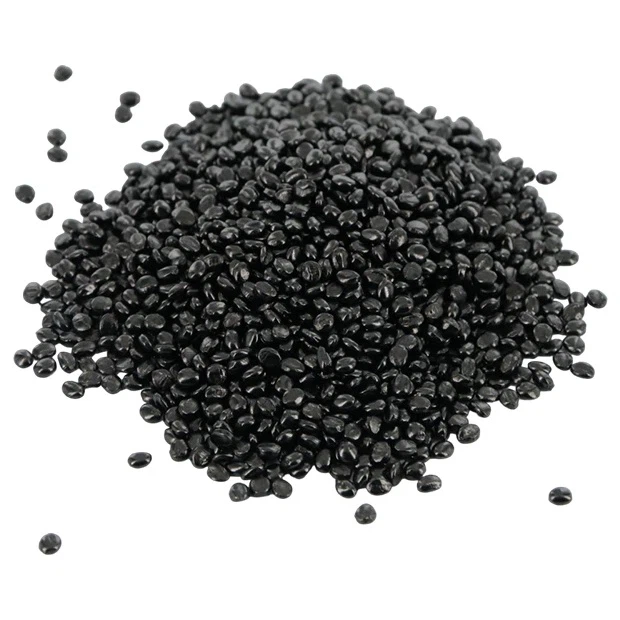
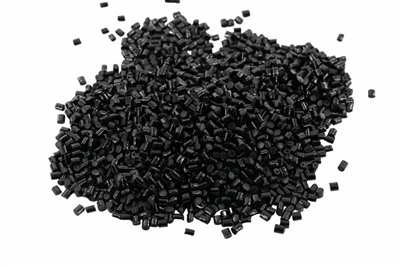

What is the recommended mixing ratio of black masterbatch for injection?
As a seasoned supplier of black masterbatch for injection, I've encountered numerous inquiries regarding the optimal mixing ratio. This aspect is crucial as it directly impacts the quality, appearance, and performance of the final injected products. In this blog, I'll delve into the factors influencing the mixing ratio and provide some general guidelines.
Factors Affecting the Mixing Ratio
1. Desired Color Intensity
The primary reason for using black masterbatch is to achieve a specific black color in the injected product. The deeper and more intense the black color required, the higher the proportion of black masterbatch needed. For instance, if you're manufacturing high - end consumer electronics with a sleek, deep - black finish, you'll likely need a relatively high mixing ratio compared to a product where a lighter shade of black is acceptable.
2. Type of Base Resin
Different base resins have varying affinities for black masterbatch. Some resins, such as polypropylene (PP) and polyethylene (PE), are commonly used in injection molding. PP has a relatively good dispersion ability for black masterbatch, while PE may require a slightly different approach. Engineering plastics like polycarbonate (PC) or acrylonitrile butadiene styrene (ABS) also have their own characteristics. These materials often demand a more precise mixing ratio to ensure proper dispersion and avoid issues like streaking or uneven coloring.
3. Product Application
The end - use of the injected product plays a significant role in determining the mixing ratio. For example, Black Masterbatch for Toy needs to meet strict safety and quality standards. The mixing ratio should be carefully adjusted to ensure that the color is consistent throughout the toy and that there are no harmful substances leaching out. On the other hand, Black Masterbatch for Sunshade Net requires a balance between color and UV resistance. A higher proportion of black masterbatch can enhance UV protection, but it also needs to be optimized to maintain the net's mechanical properties.


4. Processing Conditions
The injection molding process itself can influence the mixing ratio. Factors such as temperature, pressure, and injection speed can affect how well the black masterbatch disperses in the base resin. Higher processing temperatures may improve dispersion but could also cause degradation of the masterbatch if the ratio is too high. Similarly, improper injection speed can lead to uneven distribution of the masterbatch in the final product.
General Mixing Ratio Guidelines
1. Low - Color - Intensity Applications
For products where a light black color is sufficient, such as some industrial components with a less - prominent appearance requirement, a mixing ratio of 0.5% - 1% black masterbatch to base resin is often appropriate. This relatively low ratio can still provide a visible black tint while keeping costs down.
2. Medium - Color - Intensity Applications
In cases where a medium - level black color is needed, like many household items or automotive interior parts, a mixing ratio of 1% - 3% is commonly used. This range offers a good balance between color intensity and cost - effectiveness.
3. High - Color - Intensity Applications
For products that demand a deep, rich black color, such as high - end consumer goods or luxury packaging, a mixing ratio of 3% - 5% or even higher may be necessary. However, it's important to note that increasing the ratio too much can lead to issues such as increased viscosity, which may affect the injection molding process and the mechanical properties of the final product.
Case Studies
Let's take a look at a few real - world examples to illustrate the importance of the correct mixing ratio.
Case 1: Automotive Interior Trim
A manufacturer was producing automotive interior trim parts using ABS resin. Initially, they used a 1% mixing ratio of our Black Masterbatch for Injection, but the color was not as deep and uniform as desired. After increasing the ratio to 2%, the color improved significantly, and the parts met the required aesthetic standards. However, when they further increased the ratio to 4%, they noticed that the parts became more brittle, and there were some issues with flow during the injection molding process. So, they settled on a 2.5% ratio, which provided the best balance between color and performance.
Case 2: Plastic Containers
A company manufacturing plastic containers for food storage used polypropylene as the base resin. They started with a 0.8% mixing ratio. The containers had a light black color, which was acceptable for their budget - friendly product line. However, when they decided to launch a premium line of containers, they increased the ratio to 1.5%. This change made the containers look more high - end and appealing to consumers.
Tips for Determining the Optimal Mixing Ratio
1. Conduct Small - Scale Tests
Before starting large - scale production, it's advisable to conduct small - scale injection molding tests with different mixing ratios. This allows you to observe the color, dispersion, and any potential issues with the final product. You can then adjust the ratio based on the test results.
2. Consult with the Supplier
As a black masterbatch supplier, we have extensive experience and knowledge in this field. We can provide valuable advice based on your specific requirements, including the type of base resin, product application, and processing conditions. Don't hesitate to reach out to us for guidance.
3. Monitor the Production Process
Even after determining the initial mixing ratio, it's important to monitor the production process continuously. Factors such as changes in raw material quality or processing parameters can affect the final product. If you notice any issues, such as color variation or uneven dispersion, you may need to adjust the mixing ratio accordingly.
Conclusion
Determining the recommended mixing ratio of black masterbatch for injection is a complex process that involves considering multiple factors. The right ratio can significantly enhance the quality and appearance of the final product, while an incorrect ratio can lead to various problems. By understanding the factors influencing the ratio, following general guidelines, and conducting proper tests, you can achieve the best results.
If you're in the market for high - quality black masterbatch for injection, we're here to help. Our team of experts can work with you to determine the optimal mixing ratio for your specific application. Contact us to start a discussion about your procurement needs and let's find the perfect solution together.
References
- "Plastics Additives Handbook" by Hans Zweifel
- "Injection Molding Handbook" by O. Olufemi Ogunmuyiwa