


As a supplier of black masterbatch for stretch film, I've witnessed firsthand the widespread use and growing demand for this product in large - scale production. However, like any industrial material, there are certain limitations that manufacturers need to be aware of. In this blog, I'll delve into these limitations and discuss how they can impact the large - scale production of stretch film.
1. Compatibility Issues
One of the primary limitations in using black masterbatch for stretch film in large - scale production is compatibility. Stretch films are often made from various polymers such as linear low - density polyethylene (LLDPE), low - density polyethylene (LDPE), and high - density polyethylene (HDPE). Each polymer has its own unique chemical and physical properties, and not all black masterbatches are compatible with every type of polymer.
For instance, some black masterbatches may contain additives or pigments that can react with specific polymers, leading to issues like poor dispersion, reduced mechanical properties, or surface defects. In large - scale production, these compatibility issues can result in significant quality variations from batch to batch, which can be a major concern for manufacturers who require consistent product quality.
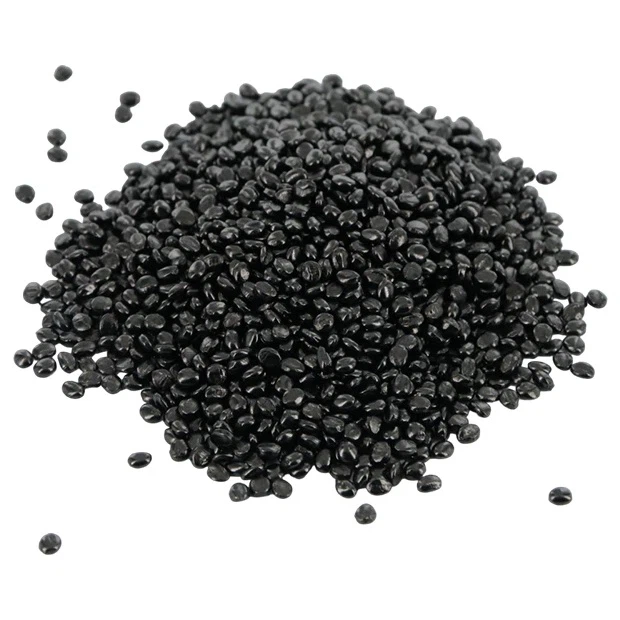
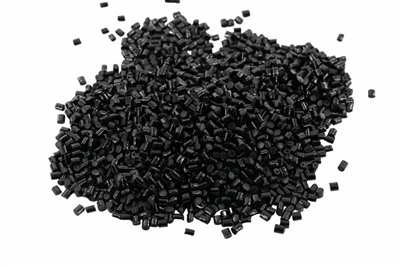
When selecting a black masterbatch for stretch film, it's crucial to ensure that it is specifically formulated for the type of polymer being used. At our company, we offer a range of Black Masterbatch for Strech Film that are carefully designed to be compatible with different polymers, minimizing the risk of compatibility - related problems.
2. Dispersion Challenges
Proper dispersion of the black masterbatch in the stretch film matrix is essential for achieving uniform color and consistent performance. However, achieving good dispersion can be a challenge, especially in large - scale production.
The high - speed production processes used in large - scale stretch film manufacturing often leave limited time for the masterbatch to disperse evenly. If the masterbatch is not well - dispersed, it can lead to color streaks, uneven pigment distribution, and even weak spots in the film. These issues can compromise the appearance and functionality of the stretch film, making it less marketable.
To overcome dispersion challenges, manufacturers need to invest in high - quality mixing equipment and optimize their processing parameters. Additionally, using a black masterbatch with excellent dispersibility can significantly improve the dispersion process. Our Black Masterbatch for Strech Film is engineered to have superior dispersibility, ensuring uniform color and performance in large - scale production.
3. Cost Considerations
Cost is always a significant factor in large - scale production. While black masterbatch can enhance the appearance and functionality of stretch film, it also adds to the overall production cost. The price of black masterbatch can vary depending on factors such as the quality of the pigments, the type of additives used, and the manufacturing process.
In large - scale production, even a small increase in the cost of the masterbatch can have a substantial impact on the bottom line. Manufacturers need to carefully balance the cost of the black masterbatch with the desired quality and performance of the stretch film.


At our company, we understand the importance of cost - effectiveness. We offer competitive pricing on our Black Masterbatch for Strech Film without compromising on quality. By working closely with our customers, we can help them find the most cost - efficient solution for their specific production needs.
4. Environmental and Regulatory Constraints
In recent years, there has been an increasing focus on environmental sustainability and regulatory compliance in the manufacturing industry. The use of black masterbatch for stretch film is not exempt from these considerations.
Some black masterbatches may contain heavy metals or other harmful substances that can have a negative impact on the environment and human health. In large - scale production, the cumulative use of such masterbatches can pose significant environmental risks. Additionally, regulatory bodies around the world are imposing stricter regulations on the use of certain chemicals in industrial products.
To meet these environmental and regulatory requirements, manufacturers need to ensure that the black masterbatch they use is compliant with relevant standards. Our Black Masterbatch for Strech Film is formulated to meet the highest environmental and regulatory standards, providing our customers with peace of mind and helping them stay ahead of the regulatory curve.
5. UV Resistance Limitations
Stretch films are often used in outdoor applications, where they are exposed to sunlight and other environmental factors. UV radiation can cause the degradation of the polymer matrix and the pigments in the black masterbatch, leading to color fading, embrittlement, and reduced mechanical properties.
While some black masterbatches are formulated with UV stabilizers to enhance their UV resistance, there are still limitations to how much protection they can provide. In large - scale production, ensuring consistent UV resistance across all batches can be a challenge, especially when using different raw materials or production conditions.
Our company offers Black Masterbatch for Strech Film with enhanced UV resistance, which can help extend the lifespan of the stretch film in outdoor applications. However, it's important for manufacturers to understand the limitations of UV protection and take appropriate measures to ensure the long - term performance of their products.
Conclusion
While black masterbatch offers many benefits for stretch film production, there are several limitations that need to be considered in large - scale manufacturing. Compatibility issues, dispersion challenges, cost considerations, environmental and regulatory constraints, and UV resistance limitations can all impact the quality, cost, and performance of the stretch film.
As a supplier of Black Masterbatch for Strech Film, we are committed to helping our customers overcome these limitations. Our high - quality products, technical expertise, and customer - centric approach enable us to provide customized solutions that meet the specific needs of each customer.
If you are involved in the large - scale production of stretch film and are looking for a reliable supplier of black masterbatch, we invite you to contact us for a detailed discussion. We can help you select the right product, optimize your production process, and ensure the success of your business.
References
- "Plastics Additives Handbook" by Hans Zweifel
- "Polymer Processing: Principles and Design" by Z. Tadmor and C. G. Gogos
- Industry reports on stretch film manufacturing and black masterbatch usage