


Hey there! As a supplier of black masterbatch for stretch film, I'm always on the lookout for the latest and greatest technologies in our industry. Today, I want to dive into the question: Are there any new technologies for producing black masterbatch for stretch film?
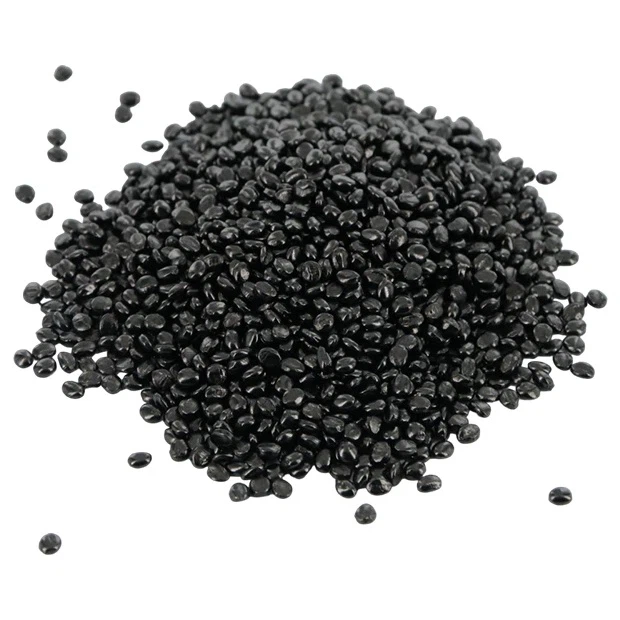
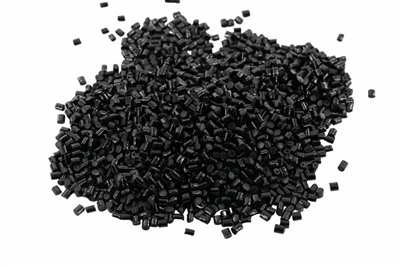
Let's first understand what black masterbatch is. It's a highly concentrated mixture of carbon black pigment and a carrier resin. This mixture is then used to color plastic products, like stretch films, giving them that deep, rich black color we're all familiar with. Stretch films are used in a variety of applications, from packaging goods in warehouses to wrapping pallets for transportation. So, having high - quality black masterbatch is crucial.
Traditional Production Methods
In the past, the production of black masterbatch involved a fairly standard process. First, carbon black powder was mixed with a carrier resin. This mixture was then melted and compounded in an extruder. The extruder would knead the materials together, ensuring that the carbon black was evenly dispersed throughout the resin. After that, the compound was cooled and cut into small pellets, which are the final form of the black masterbatch.
However, this traditional method had its limitations. One of the main issues was the dispersion of carbon black. If the carbon black wasn't evenly dispersed, it could lead to color inconsistencies in the final stretch film. Also, the process was energy - intensive, and there were some environmental concerns related to the handling of carbon black powder, which can be a respiratory hazard.


New Technologies on the Horizon
Nano - Dispersion Technology
One of the most exciting new technologies is nano - dispersion technology. This approach involves breaking down the carbon black particles into nano - sized particles. By doing so, it becomes much easier to disperse these particles evenly throughout the carrier resin. The smaller particle size also means that less carbon black is needed to achieve the same level of blackness, which can be cost - effective.
Nano - dispersion technology uses advanced mixing equipment, such as high - shear mixers and ultrasonic mixers. These machines can generate extremely high forces that break the carbon black agglomerates into individual nano - particles. The result is a black masterbatch with a more uniform color and better mechanical properties. For stretch films, this means a more consistent appearance and potentially better strength and durability.
In - Situ Polymerization
In - situ polymerization is another emerging technology. Instead of mixing pre - made carbon black with a carrier resin, this method involves polymerizing the resin in the presence of carbon black. This way, the carbon black particles are incorporated into the polymer chains during the polymerization process, leading to a more intimate and uniform dispersion.
The advantage of in - situ polymerization is that it can produce black masterbatch with excellent dispersion and compatibility with the stretch film resin. This can improve the overall performance of the stretch film, such as its tear resistance and puncture resistance. It also reduces the risk of carbon black migration, which can be a problem in some traditional masterbatches.
Green Production Technologies
With the growing emphasis on environmental sustainability, there are also new green production technologies for black masterbatch. For example, some manufacturers are using bio - based carrier resins instead of traditional petroleum - based resins. These bio - based resins are derived from renewable sources, such as plant oils, and are biodegradable.
Another green approach is to use more energy - efficient production processes. Some new extruders are designed to consume less energy while still achieving high - quality compounding. Additionally, there are technologies that can recycle and reuse waste materials generated during the masterbatch production process, reducing the overall environmental impact.
Our Company's Approach
As a supplier of black masterbatch for stretch film, we're constantly exploring these new technologies. We've started to experiment with nano - dispersion technology in our R & D department. We believe that by adopting this technology, we can offer our customers a black masterbatch with superior color consistency and performance.
We're also looking into in - situ polymerization and green production methods. We understand that our customers are becoming more environmentally conscious, and we want to meet their needs by providing sustainable solutions. Our goal is to stay at the forefront of the industry and offer the best black masterbatch products for stretch films.
Other Applications of Black Masterbatch
Black masterbatch isn't just for stretch films. It has a wide range of other applications. For example, if you're involved in extrusion processes, you might be interested in our Black Masterbatch for Extrusion. This type of masterbatch is specifically formulated to meet the requirements of extrusion applications, such as pipe manufacturing and sheet extrusion.
If you're in the wire and cable industry, our Black Masterbatch for Wire and Cable is a great choice. It provides excellent UV protection and electrical insulation properties, which are essential for wire and cable applications.
And for those in the home appliances industry, our Black Masterbatch for Home Appliances offers high - quality color and good heat resistance, ensuring that your home appliances look great and last a long time.
Let's Connect
If you're in the market for black masterbatch for stretch film or any of our other products, I'd love to hear from you. Whether you're interested in our latest technologies or have specific requirements for your application, we're here to help. Don't hesitate to reach out and start a conversation about your needs. We're confident that we can provide you with the best black masterbatch solutions.
References
- "Plastic Masterbatch Technology" by John Murphy
- "Advances in Polymer Science: Carbon Black in Polymers" by Karl - Friedrich Arndt
So, that's all for today's blog. I hope you found it informative and exciting to learn about the new technologies in black masterbatch production for stretch film. Stay tuned for more updates from our side!