

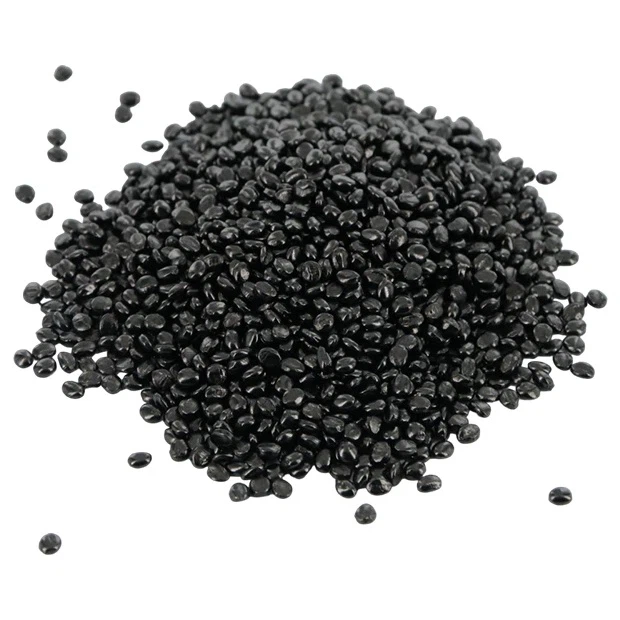
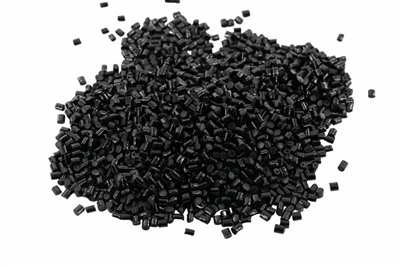

Hey there! As a supplier of black masterbatch for extrusion, I often get asked this question: Can black masterbatch for extrusion be used in the production of sheets? Well, let's dive right into it and find out.
First off, let's understand what black masterbatch for extrusion is. It's a concentrated mixture of carbon black pigment and a carrier resin. This combination is designed to be added to a base polymer during the extrusion process. The extrusion process involves forcing the polymer through a die to create a continuous shape. Black masterbatch for extrusion helps to color the polymer evenly and efficiently, giving it that deep, rich black color we all know and love.
Now, let's talk about sheet production. Sheet production is a process where a polymer is formed into a flat, thin sheet. This can be done through various methods such as calendering, casting, or extrusion. Extrusion is a popular method for sheet production because it's efficient, cost - effective, and can produce high - quality sheets with consistent thickness and properties.
So, can black masterbatch for extrusion be used in sheet production? The short answer is yes! And here are the reasons why.
Compatibility
Black masterbatch for extrusion is formulated to be compatible with a wide range of polymers commonly used in sheet production, such as polyethylene (PE), polypropylene (PP), and polyvinyl chloride (PVC). When you add the black masterbatch to the base polymer during the extrusion process, it disperses evenly throughout the polymer matrix. This ensures that the sheet has a uniform black color from edge to edge.
Color Strength and Stability
One of the key advantages of using black masterbatch for extrusion in sheet production is its high color strength. A small amount of masterbatch can go a long way in coloring the polymer. This means you can achieve the desired black color with a relatively low concentration of masterbatch, which is cost - effective. Additionally, the carbon black pigment in the masterbatch provides excellent color stability. It resists fading, even when exposed to sunlight, heat, and other environmental factors. This is crucial for sheets that will be used outdoors or in applications where color retention is important.
Processability
Black masterbatch for extrusion is designed to have good processability. It has a similar melting point and flow properties to the base polymer, which allows it to blend easily during the extrusion process. This results in a smooth and consistent extrusion of the sheet. There are no clumps or uneven color distribution, which can lead to defects in the final product.
Performance Enhancement
In addition to providing color, black masterbatch for extrusion can also enhance the performance of the sheets. Carbon black has some beneficial properties, such as UV resistance. When added to the polymer, it can help protect the sheet from the harmful effects of UV radiation, extending its lifespan. It can also improve the mechanical properties of the sheet, such as tensile strength and tear resistance.


However, there are a few things to keep in mind when using black masterbatch for extrusion in sheet production.
Masterbatch Selection
It's important to choose the right black masterbatch for your specific sheet production requirements. Different polymers may require different types of masterbatch. For example, if you're producing PE sheets, you'll need a masterbatch that is formulated for PE. You also need to consider the desired color intensity, the processing conditions, and any special requirements such as food contact compliance if the sheets will be used in food packaging applications.
Dosage
The dosage of the black masterbatch is also crucial. Using too little masterbatch may result in a lighter color than desired, while using too much can increase costs and may even affect the physical properties of the sheet. It's important to conduct some tests to determine the optimal dosage for your specific application.
Mixing
Proper mixing of the black masterbatch with the base polymer is essential. This can be achieved through a good mixing system in the extrusion process. Inadequate mixing can lead to uneven color distribution in the sheet.
Now, let's take a look at some of the other applications of black masterbatch. If you're into foaming applications, you might be interested in Black Masterbatch for Foaming. It's specifically designed to work well in the foaming process, providing excellent color and performance. For film blown applications, Black Masterbatch For Film Blown is a great choice. And if you're involved in granulation, Black Masterbatch For Granulation can meet your needs.
In conclusion, black masterbatch for extrusion is a versatile and reliable option for sheet production. It offers excellent color, performance, and processability. Whether you're producing sheets for packaging, construction, or other applications, black masterbatch for extrusion can help you achieve the high - quality, consistent results you're looking for.
If you're interested in learning more about our black masterbatch for extrusion or want to discuss your specific sheet production needs, don't hesitate to reach out. We're here to provide you with the best solutions and support. Let's start a conversation and see how we can work together to make your sheet production even better!
References
- "Plastics Extrusion Technology" by Allan A. Griff.
- "Colorants for Plastics: Fundamentals and Applications" by Michael Wypych.