


As a supplier of food contact black masterbatch, I often encounter inquiries about its applicability in food - grade transfer - molded products. This topic is not only of great interest to manufacturers in the food packaging and related industries but also crucial for ensuring the safety and quality of food - grade products. In this blog, I will delve into the details of whether food contact black masterbatch can be used in food - grade transfer - molded products.
Understanding Food Contact Black Masterbatch
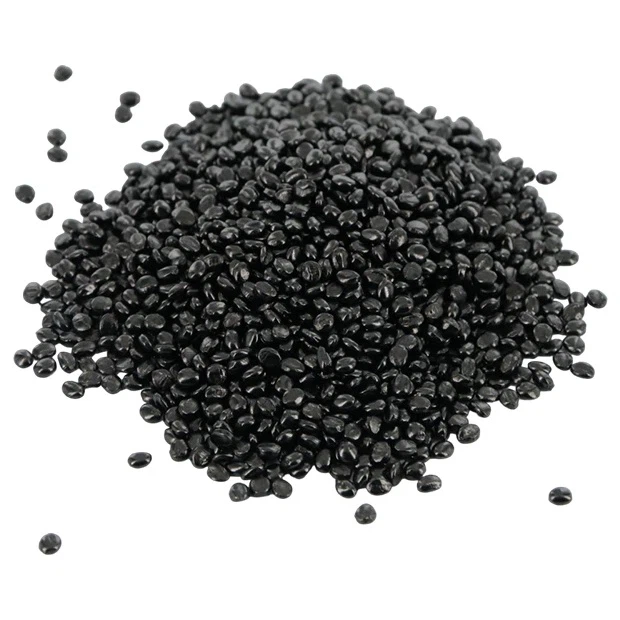
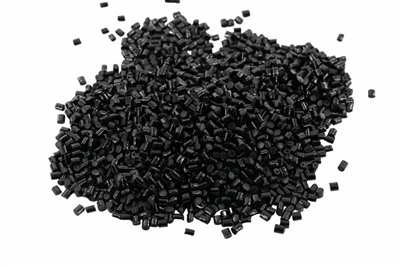
Food contact black masterbatch is a specialized type of masterbatch formulated to meet strict regulatory requirements for direct or indirect contact with food. It is typically composed of high - quality carbon black pigments, a carrier resin, and various additives. The carbon black used in food contact applications must be of a food - safe grade, free from harmful substances such as heavy metals (e.g., lead, mercury, cadmium) and polycyclic aromatic hydrocarbons (PAHs).
The carrier resin plays a vital role in the performance of the masterbatch. It should have good compatibility with the base polymer of the final product and should not release any toxic substances during processing or use. Additives are used to enhance the dispersion of the pigment, improve the processing properties of the masterbatch, and provide other functional benefits such as UV resistance or antioxidant properties.
Requirements for Food - Grade Transfer - Molded Products
Food - grade transfer - molded products are subject to a series of stringent regulations and standards. These products come into direct or indirect contact with food, so they must not pose any risk to human health. Regulatory bodies such as the Food and Drug Administration (FDA) in the United States and the European Food Safety Authority (EFSA) in Europe have established strict guidelines for materials used in food contact applications.
For transfer - molded products, the manufacturing process involves transferring the molten polymer from a pot or chamber into a closed mold cavity under pressure. This process requires the polymer to have good flow properties and the ability to fill the mold completely without leaving any voids or defects. In addition, the final product must have excellent mechanical properties, such as strength, toughness, and flexibility, to withstand the rigors of handling, storage, and use.
Compatibility of Food Contact Black Masterbatch with Transfer - Molding Process
One of the key factors in determining whether food contact black masterbatch can be used in food - grade transfer - molded products is its compatibility with the transfer - molding process. The masterbatch must be able to disperse evenly in the base polymer during the melting and mixing stage. Uneven dispersion can lead to color streaks, poor surface finish, and inconsistent mechanical properties in the final product.
The viscosity of the masterbatch - polymer mixture is also crucial. If the viscosity is too high, it may be difficult to transfer the molten material into the mold cavity, resulting in incomplete filling or long cycle times. On the other hand, if the viscosity is too low, the material may leak out of the mold or cause flash, which can affect the quality of the final product.
Food contact black masterbatch should also be able to withstand the high temperatures and pressures involved in the transfer - molding process without degrading or releasing any harmful substances. This requires careful selection of the carrier resin, pigments, and additives to ensure their thermal stability and chemical resistance.


Quality Assurance and Testing
To ensure the safety and quality of food contact black masterbatch for use in food - grade transfer - molded products, rigorous quality assurance and testing procedures are essential. Our company, as a supplier, conducts a series of tests on our masterbatch products.
First, we perform chemical analysis to ensure that the masterbatch meets the regulatory requirements for food contact materials. This includes testing for the presence of heavy metals, PAHs, and other harmful substances. We also test the dispersion of the pigment in the carrier resin to ensure uniform color distribution.
Physical property testing is also carried out to evaluate the performance of the masterbatch in the transfer - molding process. This includes measuring the melt flow index, viscosity, and mechanical properties of the masterbatch - polymer mixture. We also conduct simulation tests using actual transfer - molding equipment to verify the compatibility of the masterbatch with the process.
Case Studies and Applications
There are numerous successful applications of food contact black masterbatch in food - grade transfer - molded products. For example, in the production of food containers, food contact black masterbatch can be used to provide a black color that is both aesthetically pleasing and functional. The black color can help to block light, which is beneficial for protecting light - sensitive food products such as oils and beverages.
In the manufacturing of food - grade gaskets and seals, food contact black masterbatch can be used to enhance the mechanical properties of the rubber or plastic material. The masterbatch can improve the strength, flexibility, and sealing performance of the gaskets, ensuring a tight and reliable seal to prevent food leakage and contamination.
Different Types of Food Contact Black Masterbatch
We offer a range of food contact black masterbatch products tailored to different applications. For example, our Black Masterbatch for Foaming is specifically designed for use in foamed food - grade products. It has excellent dispersion properties and can produce a uniform cell structure in the foam, resulting in a high - quality foamed product.
Our Black Masterbatch for Sheet is suitable for the production of food - grade sheets. It provides a consistent black color and good mechanical properties to the sheets, making them ideal for applications such as food packaging trays and lids.
The Black Masterbatch for Agriculture Film is used in the production of agricultural films that may come into contact with food crops. It offers UV resistance and other functional properties to ensure the durability and performance of the film in outdoor environments.
Conclusion
In conclusion, food contact black masterbatch can be used in food - grade transfer - molded products, provided that it meets the strict regulatory requirements and is compatible with the transfer - molding process. Our company, as a professional supplier of food contact black masterbatch, is committed to providing high - quality products that meet the needs of our customers in the food packaging and related industries.
We have the expertise and experience to develop and manufacture food contact black masterbatch that is safe, reliable, and performs well in the transfer - molding process. If you are interested in using our food contact black masterbatch for your food - grade transfer - molded products, we invite you to contact us for further information and to discuss your specific requirements. We look forward to the opportunity to work with you and contribute to the production of high - quality food - grade products.
References
- Food and Drug Administration (FDA). Regulations for materials used in food contact applications.
- European Food Safety Authority (EFSA). Guidelines for food contact materials.
- Industry standards and best practices for transfer - molding processes.