


Can PS Black Masterbatch Be Recycled?
As a supplier of PS black masterbatch, I often encounter inquiries from customers about the recyclability of our products. This is a crucial topic not only for environmental reasons but also for economic and regulatory considerations. In this blog post, I will delve into the details of whether PS black masterbatch can be recycled, exploring the factors involved and the potential solutions.
Understanding PS Black Masterbatch
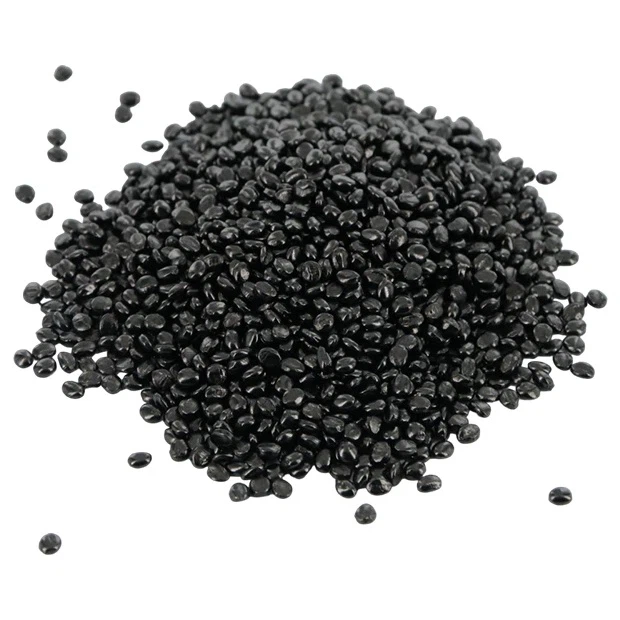
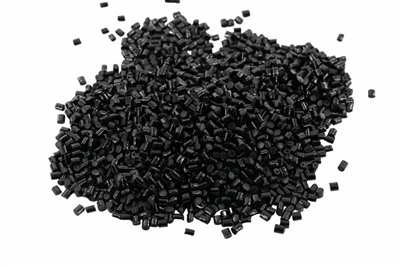
PS, or polystyrene, is a widely used thermoplastic polymer known for its versatility, low cost, and ease of processing. PS black masterbatch is a concentrated mixture of carbon black pigment and a carrier resin, typically PS itself, which is used to impart black color to PS products during the manufacturing process. The addition of black masterbatch enhances the aesthetic appeal of PS products, making them suitable for a variety of applications, such as packaging, consumer goods, and automotive parts.
The Recyclability of PS
Before discussing the recyclability of PS black masterbatch, it is essential to understand the recyclability of PS itself. PS can be recycled through mechanical recycling, which involves melting and reprocessing the polymer into new products. However, the recycling process for PS can be challenging due to several factors:
- Contamination: PS products are often contaminated with other materials, such as labels, adhesives, and food residues, which can affect the quality of the recycled material.
- Degradation: PS can degrade during the recycling process, leading to a decrease in its mechanical properties and performance.
- Market Demand: The market demand for recycled PS is relatively low compared to other polymers, such as polyethylene and polypropylene, which can make it difficult to find a market for recycled PS products.
The Impact of Black Masterbatch on Recycling
The presence of black masterbatch in PS products can also affect the recyclability of the material. Carbon black, the main component of black masterbatch, is a fine powder that can be difficult to separate from the polymer matrix during the recycling process. This can lead to the following issues:
- Contamination: The presence of carbon black can contaminate the recycled PS, making it unsuitable for certain applications.
- Degradation: Carbon black can absorb heat and light, which can accelerate the degradation of the PS polymer during the recycling process.
- Color Inconsistency: The addition of black masterbatch can make it difficult to achieve a consistent color in the recycled PS products, which can limit their marketability.
Strategies for Recycling PS Black Masterbatch
Despite the challenges associated with recycling PS black masterbatch, there are several strategies that can be employed to improve its recyclability:
- Separation Technology: Advanced separation technologies, such as density separation and electrostatic separation, can be used to separate the carbon black from the PS polymer during the recycling process. This can help to reduce the contamination of the recycled material and improve its quality.
- Compatibility Testing: Before using PS black masterbatch in a product, it is important to conduct compatibility testing to ensure that the masterbatch is compatible with the recycling process. This can help to minimize the impact of the masterbatch on the recyclability of the material.
- Closed-Loop Recycling: Closed-loop recycling systems, where the recycled PS is used to produce the same type of product, can help to ensure the quality and consistency of the recycled material. This can also reduce the environmental impact of the recycling process by minimizing the need for virgin materials.
- Product Design: Designing products with recyclability in mind can also help to improve the recyclability of PS black masterbatch. This can include using easily separable components, avoiding the use of adhesives and labels, and minimizing the amount of black masterbatch used in the product.
Our Commitment to Sustainability
As a supplier of PS black masterbatch, we are committed to sustainability and environmental responsibility. We understand the importance of recycling and are constantly working to improve the recyclability of our products. We use high-quality carbon black and carrier resins in our masterbatch formulations to ensure that they are compatible with the recycling process. We also conduct regular compatibility testing to ensure that our masterbatch products meet the highest standards of quality and performance.


In addition, we are actively involved in research and development to explore new technologies and solutions for recycling PS black masterbatch. We are collaborating with industry partners and research institutions to develop innovative separation technologies and recycling processes that can improve the efficiency and effectiveness of the recycling process.
Conclusion
In conclusion, the recyclability of PS black masterbatch is a complex issue that depends on several factors, including the type of PS used, the amount of black masterbatch added, and the recycling process employed. While there are challenges associated with recycling PS black masterbatch, there are also several strategies that can be employed to improve its recyclability. As a supplier of PS black masterbatch, we are committed to sustainability and environmental responsibility and are constantly working to improve the recyclability of our products.
If you are interested in learning more about our PS black masterbatch products or our commitment to sustainability, please contact us for more information. We would be happy to discuss your specific requirements and provide you with a customized solution.
References
- "Recycling of Polystyrene: A Review." Journal of Polymers and the Environment, vol. 24, no. 2, 2016, pp. 325-337.
- "The Impact of Carbon Black on the Recycling of Polypropylene." Polymer Degradation and Stability, vol. 96, no. 11, 2011, pp. 2172-2177.
- "Sustainable Design for Recycling: A Case Study of Polystyrene Packaging." Journal of Cleaner Production, vol. 15, no. 17, 2007, pp. 1647-1654.