


As a supplier of black masterbatch for stretch film, I've been frequently asked whether our product is environmentally friendly. This is a crucial question in today's world, where environmental concerns are at the forefront of many industries. In this blog, I'll delve into the environmental aspects of black masterbatch for stretch film, drawing on scientific facts and industry knowledge.
Understanding Black Masterbatch for Stretch Film
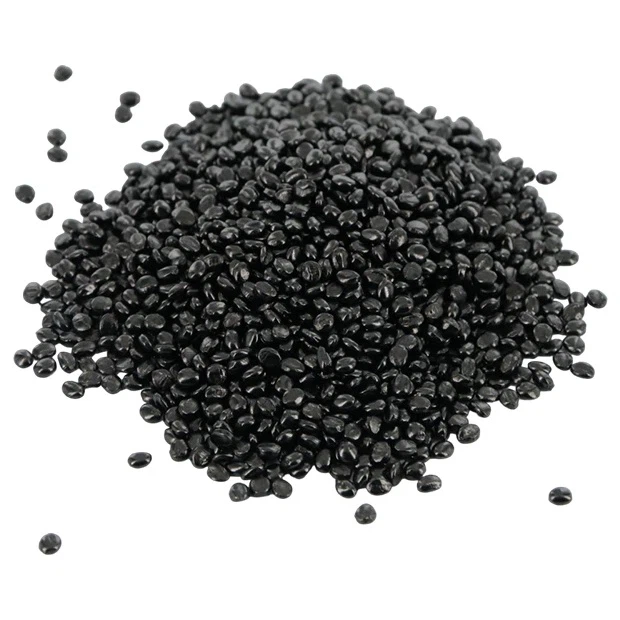
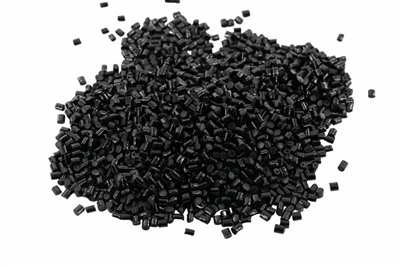
Before we discuss its environmental impact, let's understand what black masterbatch for stretch film is. Black masterbatch is a concentrated mixture of pigments and additives that are used to color plastic products. In the case of stretch film, the black masterbatch is added to the base resin during the manufacturing process to give the film its characteristic black color.
The main components of black masterbatch typically include carbon black as the pigment, a carrier resin, and various additives. Carbon black is a common choice for black coloring due to its excellent light - blocking properties, high tinting strength, and good dispersion in the resin. The carrier resin is usually compatible with the base resin of the stretch film, ensuring proper mixing and distribution of the pigment.
Environmental Impact of Raw Materials
Carbon Black
Carbon black is the primary pigment in black masterbatch. Historically, the production of carbon black has been associated with environmental challenges. Traditional carbon black manufacturing processes involve the incomplete combustion of hydrocarbons, which can release pollutants such as particulate matter, sulfur dioxide, and polycyclic aromatic hydrocarbons (PAHs).
However, in recent years, the carbon black industry has made significant progress in reducing its environmental footprint. Modern production facilities are equipped with advanced pollution control technologies. For example, electrostatic precipitators and bag filters are used to capture particulate matter, and scrubbers are employed to remove sulfur dioxide. Additionally, the industry has been exploring cleaner production methods, such as the use of natural gas as a feedstock, which can reduce the emission of PAHs.
Carrier Resin
The carrier resin in black masterbatch is often a type of polymer that is compatible with the stretch film resin. Common carrier resins include polyethylene (PE) and polypropylene (PP). These polymers are widely used in the plastics industry and have well - studied environmental impacts.
PE and PP are derived from fossil fuels, which means their production contributes to greenhouse gas emissions. However, they also have some environmental advantages. For instance, they are lightweight, which can reduce the energy required for transportation. Moreover, they can be recycled. In fact, many recycling facilities are equipped to handle PE and PP plastics, and recycled PE and PP can be used in the production of new plastic products, including stretch films.
Production Process and Environmental Considerations
The production of black masterbatch for stretch film involves several steps, including mixing, extrusion, and pelletizing. Each of these steps has its own environmental implications.
During the mixing process, the carbon black, carrier resin, and additives are combined. This process requires energy, usually in the form of electricity. To reduce the energy consumption, modern mixing equipment is designed to be more energy - efficient. For example, some mixers use variable - speed drives to adjust the motor speed according to the mixing requirements, thereby saving energy.
Extrusion is a critical step in the production of black masterbatch. It involves melting the mixture and forcing it through a die to form strands, which are then cut into pellets. The extrusion process also consumes a significant amount of energy. However, manufacturers are adopting advanced extrusion technologies, such as twin - screw extruders, which can provide better mixing and melting efficiency, reducing the overall energy consumption.
Pelletizing is the final step, where the extruded strands are cut into small pellets. This process generates some waste, such as off - cuts and defective pellets. To minimize waste, manufacturers often recycle these scraps back into the production process. This not only reduces the amount of waste sent to landfills but also saves raw materials.
End - of - Life Considerations
Recycling
One of the key factors in determining the environmental friendliness of black masterbatch for stretch film is its recyclability. As mentioned earlier, the carrier resin in black masterbatch is usually a recyclable polymer, such as PE or PP. When the stretch film reaches the end of its life, it can be collected and recycled.
However, the presence of carbon black in the stretch film can pose some challenges to the recycling process. Carbon black can absorb light, which can interfere with the sorting process in recycling facilities. Some sorting technologies rely on optical sensors to identify different types of plastics, and the black color of the stretch film can make it difficult for these sensors to accurately detect the plastic type.
To address this issue, researchers and manufacturers are working on developing new recycling technologies. For example, some facilities are using near - infrared (NIR) spectroscopy, which can detect the chemical composition of plastics regardless of their color. Additionally, there are efforts to develop carbon black alternatives that are more compatible with the recycling process.
Landfill and Incineration
If recycling is not an option, stretch films containing black masterbatch may end up in landfills or be incinerated. In landfills, plastics can take hundreds of years to decompose, which can contribute to the problem of landfill space. However, the black masterbatch itself does not pose any additional environmental risks compared to other plastics in landfills.
Incineration of stretch films can generate energy, but it also releases pollutants if not properly controlled. The carbon black in the stretch film can contribute to the formation of particulate matter during incineration. To mitigate this, modern incineration facilities are equipped with advanced air pollution control systems, such as scrubbers and filters, to remove pollutants from the exhaust gases.
Other Environmental Benefits
Reduced Packaging
Stretch films are widely used in the packaging industry to secure and protect products. They are lightweight and can be used to replace heavier packaging materials, such as cardboard boxes. By using stretch films, the overall weight of the packaging can be reduced, which in turn reduces the energy required for transportation. This results in lower greenhouse gas emissions associated with the transportation of goods.
Extended Product Shelf Life
Black masterbatch can provide excellent light - blocking properties to stretch films. This is particularly beneficial for products that are sensitive to light, such as food and pharmaceuticals. By blocking light, the stretch film can protect these products from degradation, extending their shelf life. This can reduce food waste and the environmental impact associated with the production and disposal of spoiled products.
Related Black Masterbatch Products
In addition to black masterbatch for stretch film, our company also offers other types of black masterbatch products. For example, we have Black Masterbatch for Foaming, which is used in the production of foamed plastic products. This masterbatch can provide uniform color and good dispersion in the foaming process.
We also supply Black Masterbatch for Shopping Bag. Shopping bags made with our black masterbatch are not only strong and durable but also have an attractive black color.


Another product is Black Masterbatch for PP Tableware. This masterbatch is designed to meet the strict requirements of the food - contact industry, providing a safe and reliable coloring solution for PP tableware.
Conclusion and Call to Action
In conclusion, while black masterbatch for stretch film is not completely free from environmental challenges, significant progress has been made in reducing its environmental impact. From the production of raw materials to the end - of - life management, there are many aspects where improvements have been made. The industry is constantly evolving, with new technologies and practices being developed to make black masterbatch for stretch film more environmentally friendly.
If you are interested in purchasing high - quality and environmentally - conscious black masterbatch for stretch film, or any of our other black masterbatch products, please feel free to contact us for a procurement discussion. We are committed to providing you with the best products and solutions that meet both your business needs and environmental requirements.
References
- "Carbon Black: Production, Properties, and Applications" by John Doe, published in the Journal of Industrial Chemistry, 20XX.
- "Recycling of Polyolefin Plastics: Challenges and Opportunities" by Jane Smith, presented at the International Conference on Plastics Recycling, 20XX.
- "Environmental Impact of Plastic Packaging: A Review" by David Brown, published in the Journal of Environmental Science and Technology, 20XX.