

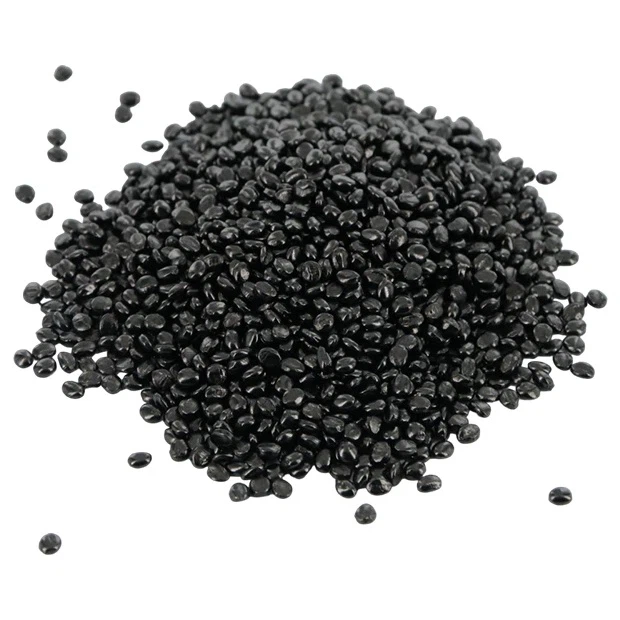
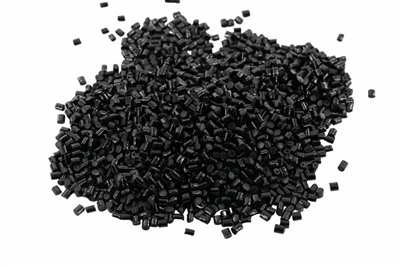

As a supplier of black masterbatch for automotive applications, I often encounter inquiries regarding the heat resistance of our products. Heat resistance is a critical property in automotive manufacturing, as components are frequently exposed to high temperatures under the hood, in the engine compartment, and even in the cabin during hot weather. In this blog post, I'll delve into the intricacies of the heat resistance of black masterbatch for automotive use, explaining its importance, factors affecting it, and how our products measure up.
The Importance of Heat Resistance in Automotive Black Masterbatch
Automotive parts are subject to a wide range of thermal conditions. For instance, engine components can reach extremely high temperatures due to the combustion process. Even non - engine parts like interior trims can get hot when the vehicle is parked in direct sunlight. Black masterbatch, which is used to color these parts, must maintain its integrity and color stability under these harsh conditions.
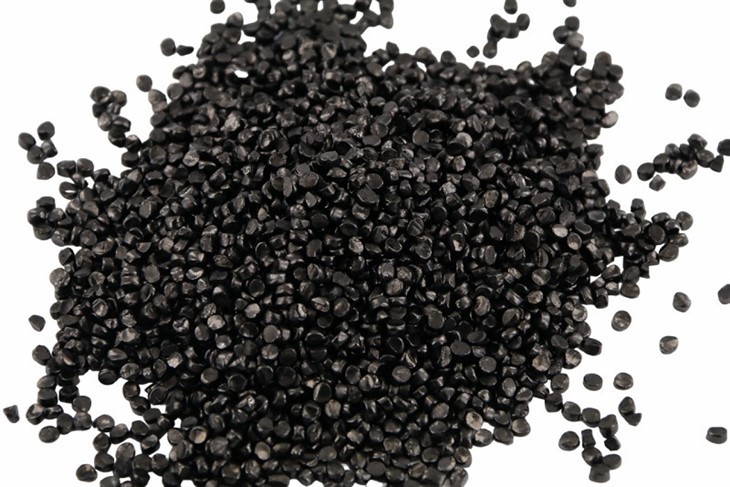

If a black masterbatch lacks sufficient heat resistance, it can lead to several issues. The color may fade or change, which is aesthetically unappealing and can affect the perceived quality of the vehicle. Moreover, the physical properties of the plastic component may degrade, leading to reduced mechanical strength, increased brittleness, and potentially premature failure of the part. This not only impacts the performance and safety of the vehicle but also incurs additional costs for replacement and maintenance.
Factors Affecting the Heat Resistance of Black Masterbatch
Carbon Black Type
Carbon black is the primary pigment in black masterbatch. Different types of carbon black have varying heat - resistant properties. For example, furnace black, which is commonly used in automotive applications, offers good heat stability. It has a high surface area and a well - developed structure, which allows it to disperse well in the polymer matrix and resist thermal degradation. On the other hand, thermal black, with its lower structure and surface area, may have relatively lower heat resistance.
Polymer Carrier
The polymer carrier in the black masterbatch also plays a crucial role in determining its heat resistance. Polymers have different melting points and thermal degradation temperatures. For example, polypropylene (PP) has a lower melting point compared to polyamide (PA). A black masterbatch with a PA carrier, such as our PA Black Masterbatch, will generally have better heat resistance than one with a PP carrier, making it more suitable for applications where high - temperature resistance is required.
Additives
Additives can be incorporated into the black masterbatch to enhance its heat resistance. Heat stabilizers, such as antioxidants and UV stabilizers, can prevent the oxidation and degradation of the polymer and carbon black at high temperatures. They work by scavenging free radicals that are generated during thermal decomposition, thus extending the lifespan of the masterbatch under heat stress.
Dispersion Quality
Proper dispersion of the carbon black in the polymer carrier is essential for heat resistance. If the carbon black is not well - dispersed, it can form agglomerates. These agglomerates act as weak points in the material, where heat can concentrate and cause local degradation. A well - dispersed black masterbatch ensures uniform heat distribution and better overall heat - resistant performance.
Heat Resistance Testing of Our Black Masterbatch
At our company, we conduct rigorous heat resistance testing on our black masterbatch products. We use a variety of testing methods to simulate real - world automotive conditions.
One of the common tests is the thermal aging test. In this test, samples of the black masterbatch are placed in an oven at a specified high temperature for a set period. The temperature and duration are chosen based on the expected service conditions of the automotive parts. After the aging period, we evaluate the samples for color change, using a colorimeter to measure any deviation from the original color. We also test the mechanical properties, such as tensile strength and elongation at break, to assess if there has been any degradation.
Another test we perform is the heat deflection temperature (HDT) test. This test measures the temperature at which a plastic sample deforms under a specified load. A higher HDT indicates better heat resistance. Our No Carrier Black Masterbatch has been designed to have a high HDT, making it suitable for applications where parts are exposed to high temperatures and mechanical stress.
Applications of Our Heat - Resistant Black Masterbatch in the Automotive Industry
Under - the - Hood Components
Under the hood of a vehicle, temperatures can soar due to the heat generated by the engine. Our heat - resistant black masterbatch is used in various under - the - hood components, such as air intake manifolds, engine covers, and radiator end - tanks. These parts need to maintain their color and mechanical properties even at high temperatures, and our masterbatch ensures that they do so.
Interior Trim Parts
Interior trim parts, such as dashboard panels, door panels, and seat frames, are also exposed to heat, especially during hot weather. Our PS Black Masterbatch is used in these applications. It provides a rich, long - lasting black color that does not fade or change, even when exposed to sunlight and high cabin temperatures.
Why Choose Our Black Masterbatch for Automotive Heat Resistance
High - Quality Raw Materials
We source only the highest - quality carbon black and polymer carriers for our black masterbatch. Our carbon black is carefully selected for its heat - resistant properties, and our polymer carriers are chosen to match the specific requirements of automotive applications.
Advanced Manufacturing Processes
Our manufacturing processes are designed to ensure optimal dispersion of the carbon black in the polymer carrier. We use state - of - the - art equipment and techniques to produce a uniform and consistent masterbatch, which enhances its heat resistance and overall performance.
Customization
We understand that different automotive applications have different heat - resistance requirements. That's why we offer customized black masterbatch solutions. Whether you need a masterbatch with a specific heat - deflection temperature or one that can withstand extreme temperatures for a long period, we can develop a product that meets your exact needs.
Conclusion
The heat resistance of black masterbatch for automotive applications is a complex but crucial property. It is affected by factors such as carbon black type, polymer carrier, additives, and dispersion quality. At our company, we are committed to providing high - quality, heat - resistant black masterbatch products. Our rigorous testing, use of high - quality raw materials, advanced manufacturing processes, and customization options make us a reliable supplier for the automotive industry.
If you are in the automotive manufacturing business and are looking for a black masterbatch with excellent heat resistance, we invite you to contact us for procurement and further discussions. We are eager to work with you to find the best solution for your specific needs.
References
- "Plastics in Automotive Engineering: Materials, Components, Systems" by G. Hirt, C. Kutz
- "Carbon Black: Production, Properties, and Applications" by R. A. Donnet, J. B. Donnet